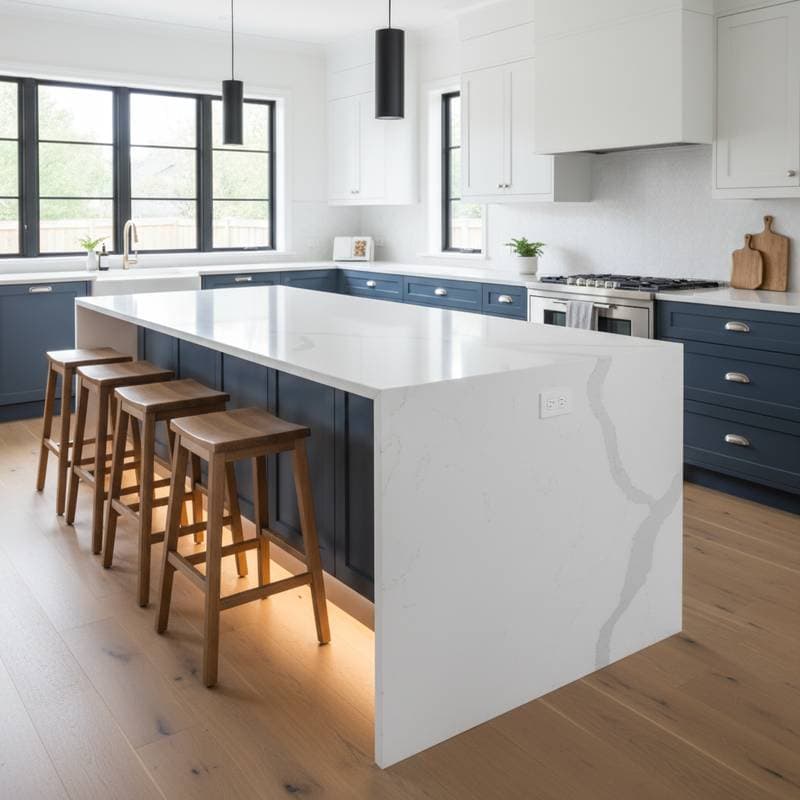
Kitchen Islands That Balance Function and Resale Value
Kitchen islands serve as the heart of modern kitchens, offering a versatile space for meal preparation, casual dining, and social gatherings. Homeowners often seek designs that enhance daily usability while increasing property appeal to potential buyers. This article explores how to select and design an island that harmonizes practical features with aesthetic elements, ultimately contributing to higher resale value.
Understanding the Role of Kitchen Islands
A well-designed kitchen island acts as a multifunctional hub. It provides additional workspace for chopping vegetables or rolling dough, expands storage for pots and utensils, and creates a spot for family breakfasts. Beyond these basics, thoughtful integration of features like built-in appliances or charging stations elevates the island from a simple counter to a central command area.
Consider the layout of your kitchen before installation. In open-plan homes, an island defines zones without obstructing movement. Experts recommend measuring traffic flow to ensure the island integrates seamlessly, preventing a cramped feel that could deter buyers during showings.
Incorporating Essential Functions
Functionality forms the foundation of a valuable kitchen island. Start with ample storage solutions, such as deep drawers for cookware or pull-out shelves for pantry items. These elements keep counters clear and organized, a detail that appeals to busy households and highlights efficiency to prospective purchasers.
Seating options add another layer of utility. Bar-height stools around a three-sided overhang accommodate two to four people, fostering interaction during meal times. Opt for designs with foot rails and cushioned seats for comfort, ensuring the setup suits various ages and promotes extended use.
Integrate smart features to modernize the space. Hidden electrical outlets beneath the countertop power small appliances without visual clutter. Under-cabinet lighting illuminates work areas effectively, while built-in spice racks or wine holders cater to specific needs, demonstrating foresight in design.
Selecting Materials for Durability and Appeal
Material choices influence both longevity and visual impact. Quartz countertops stand out for their non-porous surface, resisting stains and scratches while requiring minimal maintenance. This durability reassures buyers of low upkeep costs over time.
Natural stone options, like granite or marble, bring elegance but demand sealing to prevent etching. Pair these with cabinetry in warm woods or sleek laminates to match the overall kitchen theme. Finishes such as matte or gloss affect light reflection, enhancing the room's ambiance.
Lighting plays a crucial role in material selection. Pendant lights above the island create focal points, while LED strips along edges provide task illumination. These additions not only improve functionality but also showcase the island as a premium feature during home tours.
Achieving Perfect Proportions
Proper sizing ensures the island enhances rather than overwhelms the space. Standard widths range from 36 to 48 inches, allowing comfortable passage on all sides. Length should align with the kitchen's scale, typically 6 to 10 feet for most homes, to maintain open flow.
Height variations add versatility. A 36-inch standard height suits prep work, while a raised section for seating reaches 42 inches. Test these dimensions with mockups using tape on the floor to visualize the final layout and avoid costly adjustments.
Proportion extends to overhangs. A 12- to 15-inch extension provides knee space for seated guests without encroaching on workspace. Balanced proportions create harmony, making the kitchen feel spacious and inviting, which directly correlates with buyer interest.
Boosting Resale Value Through Strategic Design
Investments in kitchen islands yield strong returns on investment. Real estate data indicates that updated kitchens, including islands, can increase home value by up to 7 percent. Focus on timeless elements like neutral colors and classic shapes to appeal to a broad market.
Energy-efficient features, such as low-voltage lighting or eco-friendly materials, attract environmentally conscious buyers. Custom touches like integrated herb gardens or recycling bins demonstrate innovation without over-personalization.
Consult professionals for installation to ensure structural integrity. Proper ventilation and plumbing hookups, if needed, prevent future issues that could lower appraisals. A strategically designed island positions the kitchen as a selling point, accelerating sales and commanding premium prices.
Actionable Steps to Design Your Ideal Island
-
Assess your kitchen's dimensions and daily routines to identify key needs, such as storage or seating.
-
Choose durable materials like quartz for the top and sturdy woods for the base, considering maintenance requirements.
-
Incorporate lighting and outlets early in the planning phase to avoid retrofitting expenses.
-
Scale the island to fit the space, using 42 inches of clearance around it for easy navigation.
-
Test overhang and height configurations with temporary setups to confirm comfort.
-
Align the design with resale goals by selecting versatile, high-quality finishes.
Elevating Everyday Living with Lasting Impact
A kitchen island that balances function and style transforms routine tasks into enjoyable experiences. It fosters family connections through shared meals and simplifies cooking with organized storage. For homeowners eyeing future sales, such an investment not only enhances current enjoyment but also secures financial returns through increased property value. Prioritize quality craftsmanship to create a space that endures and impresses for years to come.