Hidden vs Exposed Grab Bars: Enhancing Bathroom Safety
Homeownership brings the opportunity to customize spaces for safety and comfort. Bathrooms rank among the highest-risk areas for slips and falls due to wet surfaces and transitions. Grab bars provide essential support to maintain balance, prevent injuries, and accommodate users of all ages and abilities. Homeowners often debate hidden versus exposed grab bars, as each type aligns with different priorities in design, functionality, and installation.
Key Considerations for Grab Bars
Grab bars serve a broad audience, including children mastering independence, seniors seeking stability, and anyone recovering from temporary limitations. The decision between hidden and exposed models hinges on aesthetics, ease of use, and structural demands. Exposed bars offer straightforward visibility and strength, while hidden ones integrate discreetly into surroundings. Evaluate your bathroom layout, user needs, and renovation scope to select the optimal approach.
Exposed Grab Bars: Reliable and Visible Support
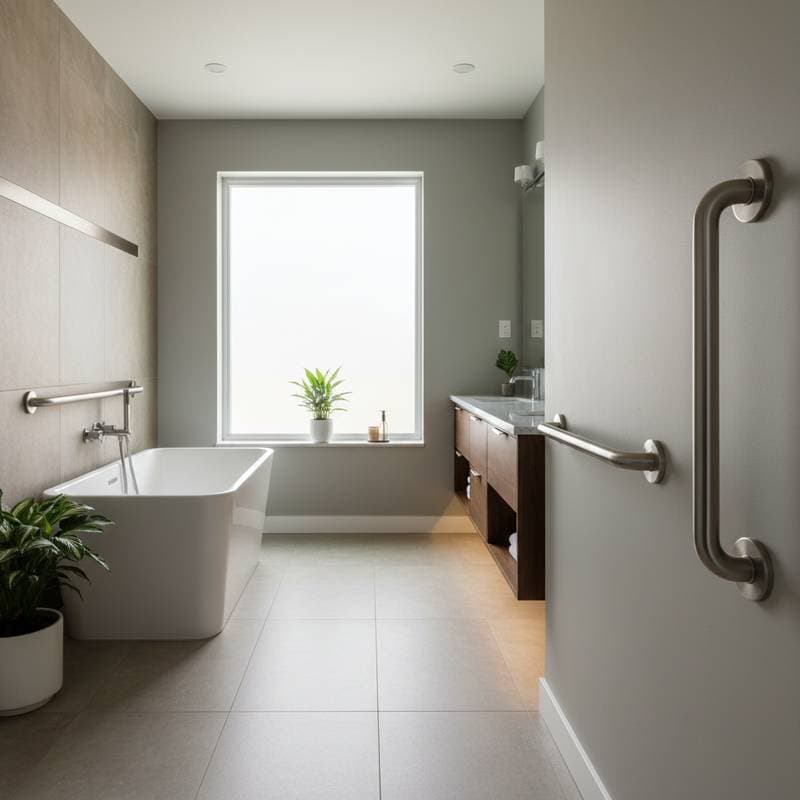
Exposed grab bars represent the traditional choice, featuring prominent cylindrical supports mounted directly on walls near showers, bathtubs, or toilets. Available in finishes like stainless steel, brushed nickel, or matte black, they coordinate with existing hardware for a cohesive look.
Advantages of Exposed Grab Bars
- Immediate Accessibility: Their visible position allows users to locate support instantly during moments of imbalance.
- Straightforward Installation: Mount them using wall anchors into studs for secure hold, often completing the task in under an hour without major alterations.
- Proven Durability: Designed to bear weights up to 500 pounds or more, these bars deliver dependable performance in high-moisture environments.
- Cost-Effective Choices: Entry-level models start at under 50 dollars, with premium options remaining accessible for most budgets.
Drawbacks of Exposed Grab Bars
A primary concern involves visual impact; some view them as utilitarian or clinical, potentially clashing with sleek interiors. Maintenance requires wiping down to avoid buildup from water and soaps. Select slim profiles or integrated designs to minimize these issues and enhance overall harmony.
Hidden Grab Bars: Seamless Integration for Modern Aesthetics
Hidden grab bars conceal mounting hardware behind tiles, walls, or fixtures, creating an unobtrusive appearance. Installed during renovations, they emerge as sleek rails or recessed handles that match surrounding materials like glass or stone.
Advantages of Hidden Grab Bars
- Elegant Discretion: They preserve a minimalist design, avoiding the bold lines of exposed models for a luxurious, spa-like feel.
- Custom Fit: Tailor them to specific locations, such as within shower panels or vanity edges, for targeted support without altering visible surfaces.
- Enhanced Hygiene: Flush mounting reduces crevices where moisture and residue accumulate, simplifying cleaning routines.
- Versatile Applications: Ideal for high-end remodels, they support innovative features like fold-down rails or illuminated grips.
Drawbacks of Hidden Grab Bars
Installation demands professional expertise, often involving wall demolition and reinforcement, which increases complexity and expense. Visibility suffers in emergencies, as users must know their exact positions. Reserve this option for projects where budget and timeline permit thorough planning.
Recognizing When Grab Bars Become Essential
Proactive installation averts mishaps before they occur. Watch for indicators such as reluctance to enter the tub, reliance on unsteady objects like soap dishes for leverage, or prolonged recovery time after standing. Slippery floors, elevated tubs, or cramped layouts amplify these risks. Assess high-traffic bathrooms first to prioritize interventions that promote confidence and independence.
Practical, Low-Cost Ways to Add Support
Safety upgrades need not strain finances. Consider these targeted strategies:
- Suction-Cup Attachments: Opt for heavy-duty versions that adhere to smooth surfaces for rental properties or testing placements, but verify load ratings and replace annually.
- Multi-Function Accessories: Choose towel bars or robe hooks rated for grab use, ensuring they anchor into studs for reliability.
- Focused Installations: Position a single 18-inch bar adjacent to the commode or shower threshold to address primary hazard zones effectively.
- Pre-Packaged Systems: Purchase kits including mounting hardware, silicone sealants, and drilling guides to streamline the process for novice installers.
Installation Essentials for Homeowners
Skill Level: Beginner for exposed models; advanced for hidden integrations.
Required Tools: Stud finder, power drill, bubble level, corrosion-resistant fasteners, and safety gloves.
DIY Scenarios: Proceed with exposed bars on accessible drywall or fiberglass surrounds where studs align conveniently.
Professional Recommendations: Engage experts for hidden bars requiring waterproof backer boards, precise tile cuts, or load-bearing modifications.
Cost Breakdown: Exposed DIY projects typically range from 30 to 150 dollars per bar; hidden professional setups may exceed 500 dollars, factoring in labor and materials.
Next Steps for a Safer Bathroom
With insights into hidden and exposed grab bars, assess your space to pinpoint support gaps. Measure potential sites, review product specifications for compliance with safety standards, and consult local codes if remodeling. Whether opting for quick fixes or comprehensive overhauls, these enhancements foster accessibility and peace of mind. Invest in your home's functionality today to enjoy its benefits for years ahead.