Introduction to Greywater Systems
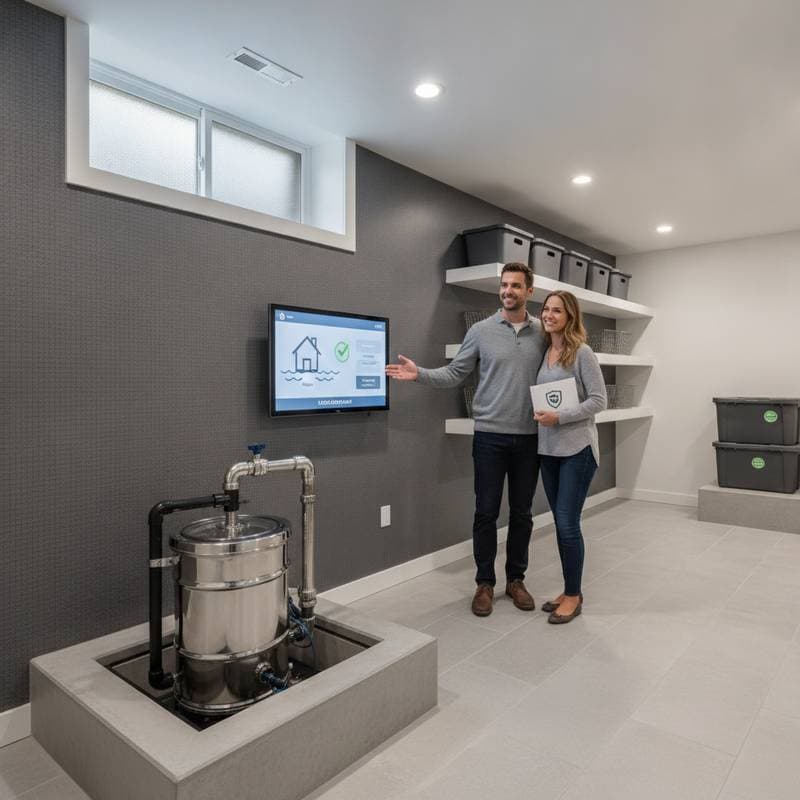
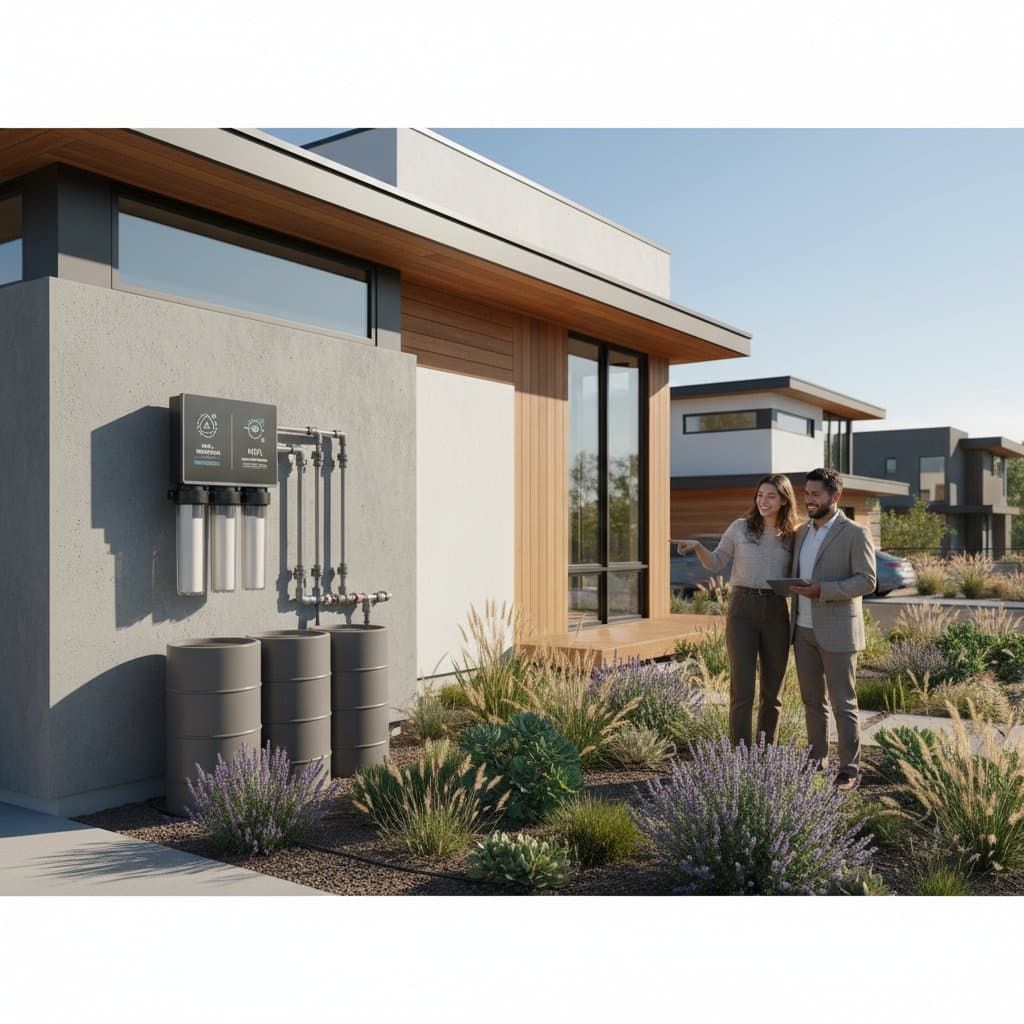
Greywater refers to wastewater from household sources such as sinks, showers, and washing machines, excluding toilet waste. Homeowners increasingly adopt these systems to reuse this water for irrigation or flushing toilets, addressing water scarcity and escalating costs. By 2026, experts predict widespread adoption due to regulatory incentives and technological advancements, positioning greywater as a key strategy for sustainable living.
These systems filter and redirect greywater safely, preventing contamination while conserving fresh water supplies. Installation varies from basic setups for landscape watering to comprehensive whole-home solutions. The result offers immediate savings on bills alongside long-term environmental benefits.
Benefits of Greywater Systems
One primary advantage lies in substantial water bill reductions. Households can expect cuts of up to 40 percent by recycling greywater for non-potable uses, a projection supported by growing efficiency in filtration and distribution technologies. This savings compounds as municipal water rates continue to climb amid climate challenges.
Property value also rises with such upgrades. Eco-conscious buyers prioritize sustainable features, potentially increasing resale appeal by three to six percent. In regions facing water restrictions, greywater systems demonstrate forward-thinking preparedness, differentiating a home in competitive markets.
Beyond finances, these installations contribute to broader sustainability goals. They lessen reliance on municipal supplies, reduce strain on wastewater treatment plants, and promote water security. Homeowners gain peace of mind knowing their property aligns with future-oriented living standards.
Cost Breakdown
Understanding expenses helps homeowners budget effectively for greywater installations. Costs depend on system complexity, home size, and local regulations. A detailed breakdown reveals where investments yield the highest returns.
1. Materials
Basic components include pumps, filters, and piping to handle water diversion. Entry-level systems for laundry greywater start at $1,000, covering surge tanks and basic diverters. Advanced setups with UV disinfection add $2,000 or more for enhanced purity.
- Piping and fittings: $300 to $800, selected for durability against corrosion.
- Filtration units: $500 to $1,500, ranging from simple screens to multi-stage biological treatments.
- Irrigation integration and smart controllers: $800 to $2,000, enabling automated distribution based on soil moisture.
2. Labor
Professional installation ensures compliance and efficiency. Rates vary by expertise and location, but planning ahead secures competitive pricing.
- Licensed plumber: $75 to $150 per hour, handling plumbing rerouting and backflow prevention.
- Landscaper or irrigation specialist: $60 to $120 per hour, integrating lines with existing gardens.
- System design and permit applications: $500 to $1,000, including site assessments and regulatory filings.
3. Regional Factors
Location influences overall pricing significantly. Urban or coastal zones face higher labor and permitting fees due to dense regulations and skilled workforce premiums. Rural areas benefit from lower hourly rates but incur additional shipping for components.
Total installed costs typically span $3,000 for a straightforward laundry-to-landscape configuration to $9,000 for a full-home recovery system. Factor in potential rebates from utilities or governments, which can offset 20 to 30 percent of expenses in water-stressed areas.
Timing Advice: Optimal Scheduling for Installation
Select spring or early summer for greywater projects to align with favorable weather and contractor availability. This period precedes peak irrigation demands, allowing ample time for booking and initial testing during warmer seasons. Early planning avoids rushed work that could compromise quality.
Coordinate with complementary renovations, such as plumbing overhauls or landscape redesigns, to consolidate labor and minimize disruptions. Order materials two to three months in advance to sidestep supply chain delays, especially for specialized filters or pumps.
Monitor local weather patterns; installations in arid regions benefit from off-peak scheduling to prevent immediate overload during dry spells. Post-installation, run trial cycles over several weeks to verify performance before full reliance.
Professional Consultation: Engaging Experts
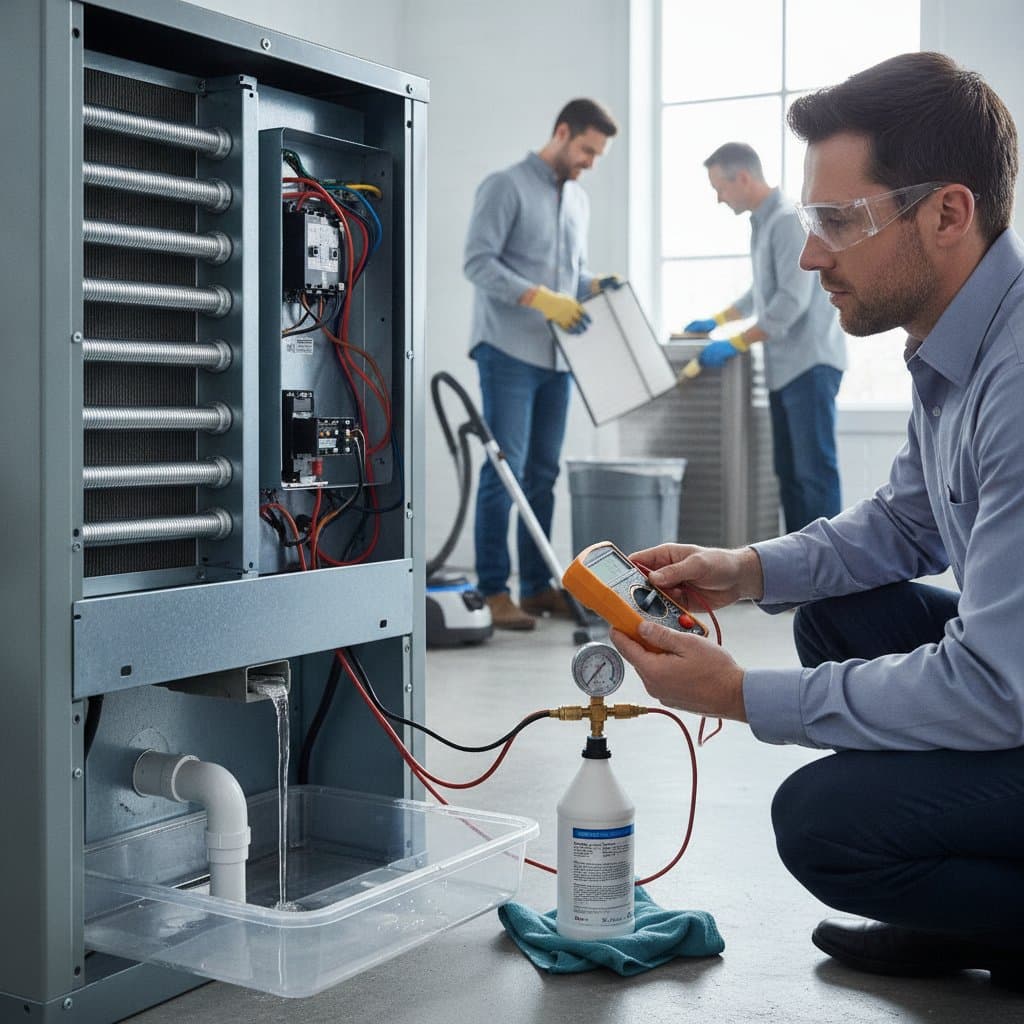
Initiate the process with a site visit from a licensed plumber to assess drainage infrastructure. This evaluation identifies suitable greywater sources, like bathroom sinks, and maps safe routing paths to avoid cross-contamination. Professionals also flag any septic system incompatibilities early.
For edible garden irrigation, consult an environmental engineer or horticulturist to specify filtration requirements. These experts ensure pathogen removal meets health codes, protecting food crops from contaminants. Their input prevents costly redesigns later.
Secure permits through your local building authority before any work begins. Submit detailed plans illustrating backflow safeguards and emergency overflow mechanisms. Compliance avoids fines and facilitates smooth inspections, safeguarding your investment.
Common Pitfalls and Prevention Strategies
Maintenance oversights rank among the top errors, leading to clogs or odors. Schedule monthly filter cleanings and quarterly line flushes to maintain flow and hygiene. Establish a routine checklist to track these tasks, ensuring longevity.
Poor site selection exacerbates drainage issues. Conduct soil percolation tests prior to layout to confirm absorption rates. Redirect water to sloped, vegetated areas rather than low-lying zones prone to pooling, which could harm structures.
Outdated plumbing poses hidden risks, as legacy pipes may fail under new pressures. Budget for inspections and reinforcements, such as replacing galvanized lines with PVC. Upgrading simultaneously streamlines the project and enhances overall reliability.
Steps to Implement Your Greywater System
Begin by gathering quotes from at least three certified contractors experienced in plumbing and irrigation. Evaluate bids for inclusions like warranties, filtration specs, and post-install support. Select based on proven track records in similar projects.
During installation, oversee key phases: initial excavation, component assembly, and system testing. Verify all connections seal properly and automation functions as intended. Document the setup with photos for future reference.
After activation, monitor usage via utility meters to quantify savings. Maintain a log of cleanings, inspections, and performance metrics. This practice not only optimizes efficiency but also builds a record for potential rebates or resale documentation.
Greywater systems deliver ongoing value through reduced bills and heightened property desirability. They represent a proactive measure against utility hikes and resource limitations. Homeowners who invest now position themselves for sustained financial and ecological gains.