Greywater Systems Boost Home Value in Drought Prone Areas
Choosing an effective water management system improves how a home performs during extended dry periods. In regions where every gallon matters, greywater systems deliver both technical and financial advantages. These systems recycle lightly used water from showers, sinks, and laundry into a reliable irrigation source. Homeowners and buyers in drought prone areas gain increased property value along with reduced long term utility costs.
System Overview
- Technology type: Greywater recycling and distribution system
- Efficiency rating: Water reuse between 50 percent and 80 percent depending on filtration
- Climate zones: DOE Zones 2 through 7, with highest benefit in arid regions
- Average capacity: 25 to 60 gallons per person per day
- Typical lifespan: 15 to 25 years with regular maintenance
- Installation complexity: Moderate to complex due to plumbing integration
Regional Performance in Drought Conditions
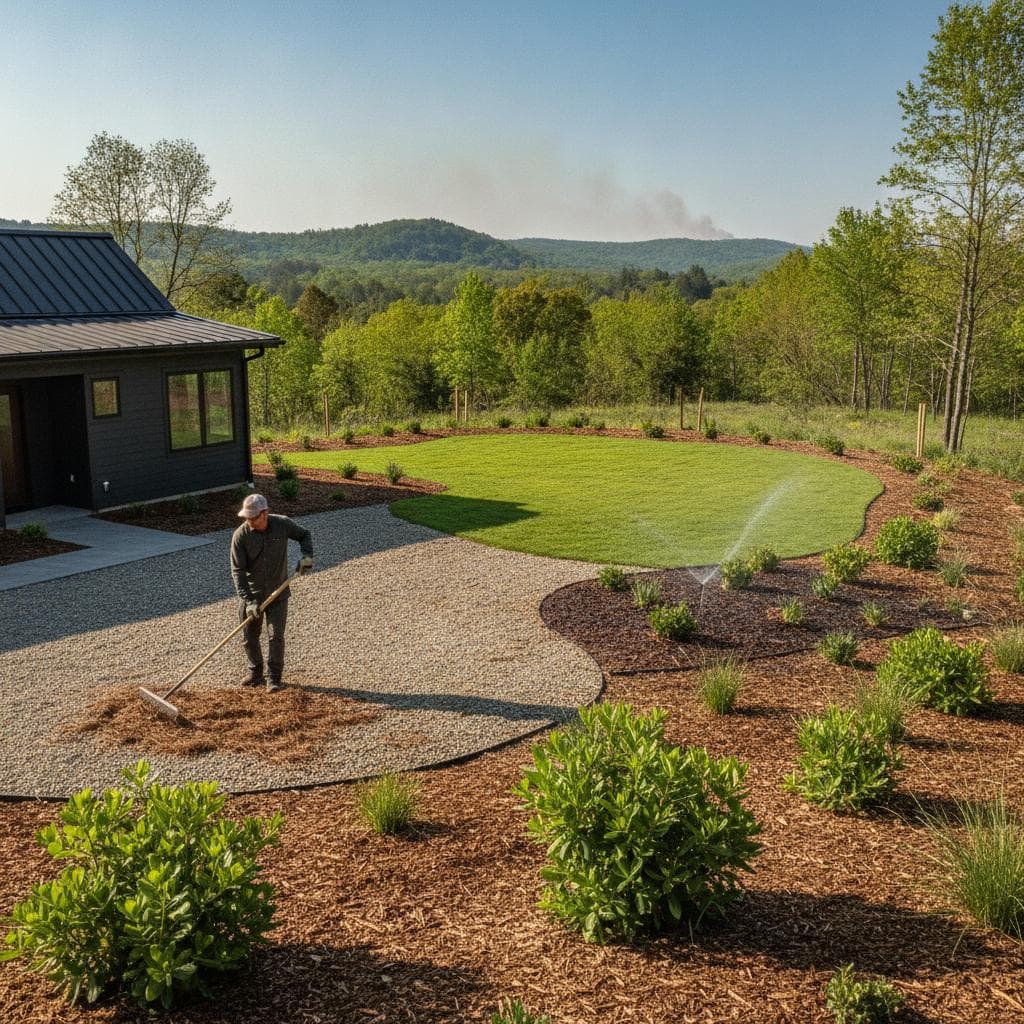
In arid climates greywater systems perform best when paired with drought tolerant landscaping. High summer evaporation rates make surface irrigation inefficient. Subsurface systems deliver water directly to root zones and reduce moisture loss. Coastal regions with higher humidity still see strong advantages because water restrictions often limit outdoor irrigation. Greywater systems maintain landscape health without drawing from municipal supplies.
Cold climates require insulation and seasonal diversion to protect against freezing. Even partial year operation can cut potable water use by up to 40 percent. Municipalities in drought sensitive zones frequently adjust water pricing tiers. Greywater offsets higher priced tiers and stabilizes monthly costs.
Key Performance Comparisons
| System Type | Efficiency (%) | Average Install Cost | Maintenance Cost per Year | Lifespan (Years) | Best Climate Zone |
|---|---|---|---|---|---|
| Laundry to Landscape | 60 | 1500 to 3000 | 100 | 15 | 3 to 7 |
| Gravity Fed | 70 | 3000 to 6000 | 150 | 20 | 2 to 6 |
| Pumped and Filtered | 80 | 7000 to 15000 | 250 | 25 | 2 to 7 |
Cost Benefit Analysis and Resale Value
A typical household using a pumped greywater system saves between 20000 and 40000 gallons of potable water each year. At standard municipal rates this produces several hundred dollars in annual savings. Drought surcharges can double those savings. Properties with sustainable infrastructure attract buyers who value lower operating costs and environmental stewardship.
Real estate data from drought prone regions shows homes with active water reuse systems sell faster and retain higher value during restrictions. Appraisers increasingly treat these systems as comparable to solar installations or high efficiency HVAC equipment.
Maintenance and Longevity
Filters require cleaning or replacement every few months. Tanks need annual flushing to prevent biofilm buildup. Pumps and valves require inspection for mineral deposits, especially in hard water areas. A well maintained system operates for two decades or more. Professional installers often offer service contracts that include periodic inspection and cleaning.
Future Proofing and Smart Integration
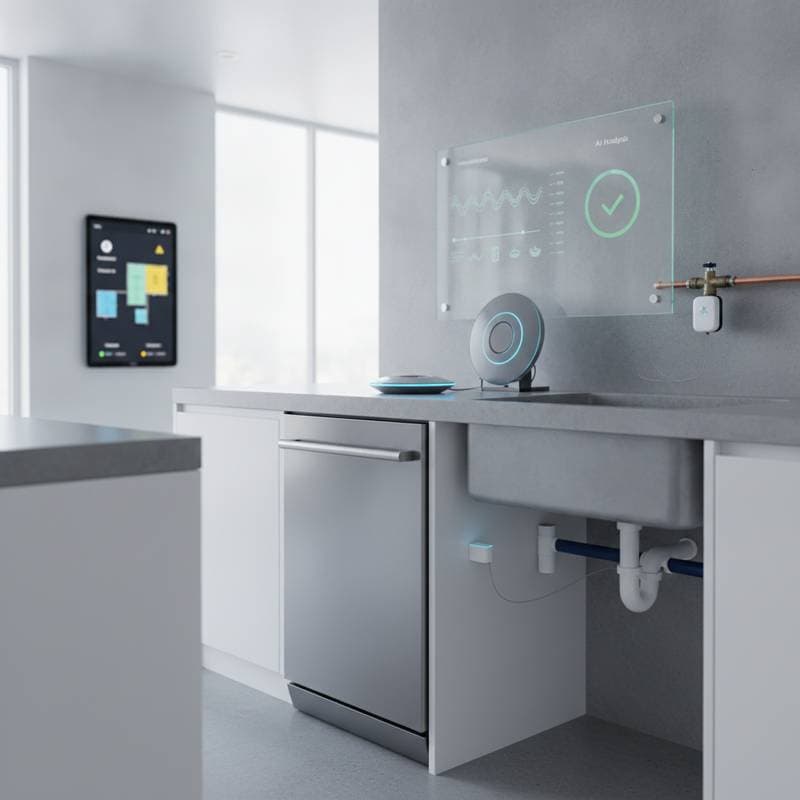
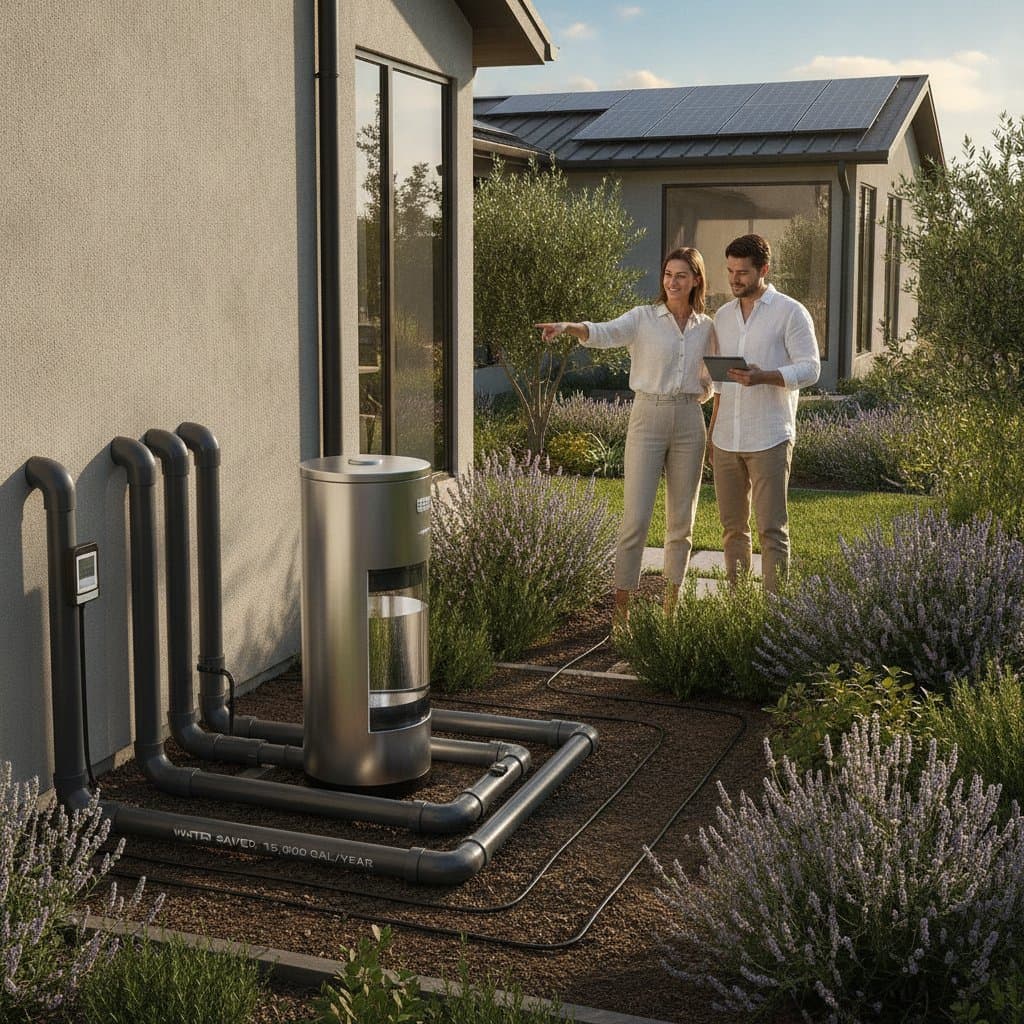
Modern greywater units integrate with home automation platforms. Flow sensors and connected apps track usage and performance. Pairing greywater systems with rainwater harvesting or drip irrigation creates a complete water resilience network. In new construction this combination can reduce total potable water demand by half without sacrificing landscape quality.
Planning an Installation
Begin with a water audit to determine potential savings and system scale. Engage a licensed plumber or mechanical engineer familiar with local codes. Request documentation of efficiency ratings, component warranties, and maintenance requirements before installation. These steps ensure the system delivers lasting value and compliance.