Granny Flats Deliver Strong Returns Through Targeted Rental Approaches
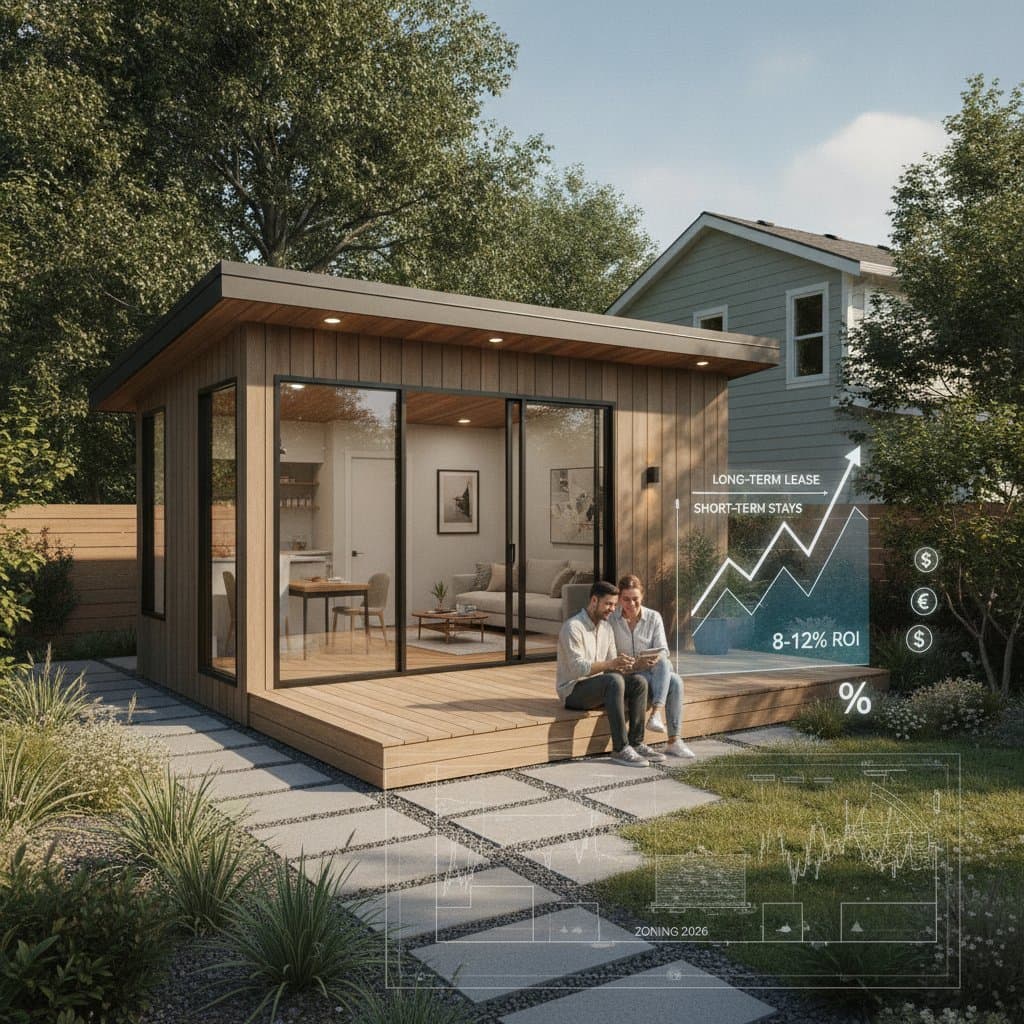
A well planned granny flat adds meaningful income when owners match the rental model to local demand. Returns between 8 and 12 percent appear regularly in markets where nightly rates stay high or steady tenants sign long leases. Success depends on accurate cost tracking, thoughtful design choices, and compliance with current zoning rules.
Comparing Long Term Leases With Short Term Stays
Long term rentals produce predictable cash flow with lower management effort. Monthly rents in many suburbs range from 1400 to 2200 dollars, which supports steady annual yields near 8 percent after expenses. Owners avoid frequent cleaning and guest turnover while still covering mortgage and maintenance costs.
Short term platforms can push yields toward 12 percent when occupancy exceeds 60 percent. Nightly rates of 180 to 250 dollars work well near employment centers or tourist corridors. Higher revenue requires active calendar management and professional photography to maintain visibility.
Real Cost Breakdowns And Profit Examples
Construction costs for a one bedroom granny flat typically fall between 65000 and 95000 dollars depending on finishes and site access. Ongoing expenses include property taxes, insurance, utilities, and platform fees that together consume 25 to 30 percent of gross income. Subtracting these figures from projected revenue shows net returns in the target range for most suburban locations.
Consider a 750 square foot unit rented long term at 1800 dollars monthly. After 28 percent in costs the owner clears roughly 15500 dollars annually, which equals an 8.6 percent return on a 180000 dollar total investment. The same unit on a short term platform at 210 dollars per night with 65 percent occupancy generates 49800 dollars gross and about 21000 dollars net after higher turnover costs.
Design Upgrades That Increase Income
Separate entrances and private outdoor space raise both nightly rates and tenant retention. Full kitchens and in unit laundries allow owners to charge premium prices without extending construction timelines. Sound insulation between the main house and the flat prevents complaints and supports higher occupancy.
Neutral color schemes and durable flooring reduce turnover expenses. Smart thermostats and keyless entry systems cut utility costs while improving guest reviews. These targeted additions often recover their expense within the first two years through increased bookings or lease renewals.
Zoning Rules That Shape 2026 Profitability
Many councils now permit granny flats on lots as small as 450 square meters provided height and setback limits are met. Owners must confirm parking requirements and maximum floor area ratios before design begins. Updated rules in several states allow slightly larger structures when the unit meets energy efficiency standards.
Early consultation with local planning staff prevents costly redesigns. Some areas still restrict short term rentals inside secondary dwellings, which favors long term leasing strategies. Checking these constraints first keeps projected returns realistic.
Markets That Offer The Highest Returns
Suburbs near major hospitals and universities maintain strong demand for both rental types. Coastal towns with seasonal tourism deliver higher short term yields during peak months yet require winter marketing plans. Inland growth corridors show consistent long term occupancy with lower purchase prices that improve overall percentages.
Risk stays lowest where vacancy rates remain below 4 percent and new supply is limited by zoning. Owners who track employment trends and infrastructure projects position their flats for sustained performance.
Steps To Protect And Grow Your Returns
Begin with a site feasibility check that includes soil tests and utility connections. Secure competitive builder quotes that itemize finishes and allowances. Model three scenarios for rental type before finalizing the layout so the design supports the chosen income strategy.
Track monthly performance against the original projections and adjust pricing or amenities as needed. Regular maintenance preserves asset value and supports continued occupancy. These practices convert an initial construction outlay into reliable, long term income.