The 2025 Landscape for Granny Flat Rentals
Homeowners seek reliable paths to rental income amid evolving housing markets. Accessory dwelling units, commonly known as granny flats, offer a practical solution. Zoning reforms and rising demand for affordable housing position these secondary units as stable revenue sources. Success requires attention to engineering details, local climate conditions, energy efficiency, and financial recovery periods. This approach elevates a simple backyard addition into a dependable income generator.
Core Mechanics: Building an Effective Rental Unit
A granny flat operates as a compact, independent living space connected to the primary home's utilities. This setup enables separate metering for electricity, water, and waste, which supports precise billing and cost management. Homeowners benefit from data-driven adjustments to rental rates based on actual usage patterns. Optimal designs incorporate high-efficiency mini-split heat pumps with SEER ratings of 18 to 22, tankless water heaters achieving a Uniform Energy Factor over 0.90, and insulation with R-values of at least 21 for walls and 38 for roofs to align with modern building standards.
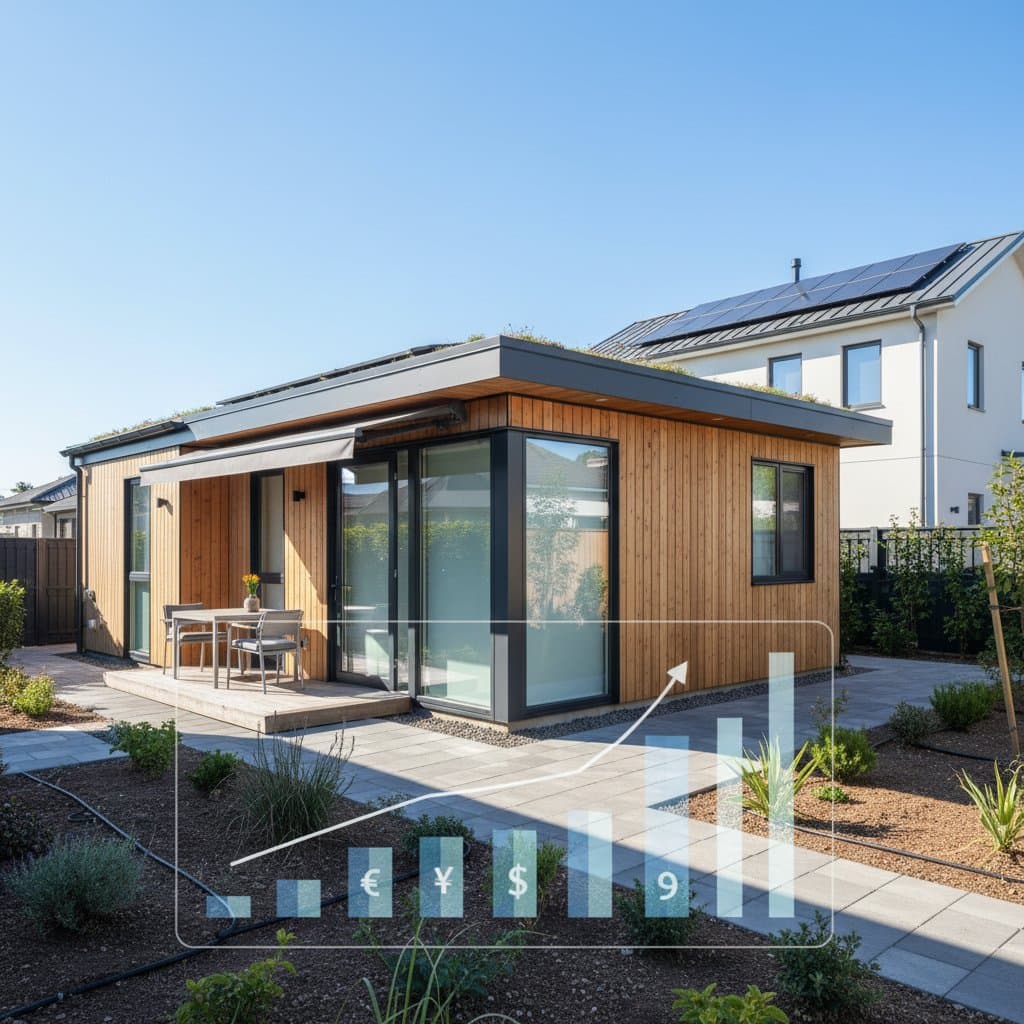
Beyond construction, the income potential balances initial costs against ongoing expenses and occupancy rates. A well-executed unit typically delivers annual returns of 5 to 9 percent, influenced by regional rental demand, utility prices, and upkeep requirements. To maximize yields, evaluate local market rates early and incorporate durable materials that minimize future repairs.
Types of Granny Flats and Their Applications
Selecting the appropriate granny flat type depends on property size, budget, and location. Each configuration presents unique efficiency profiles and cost structures. Review these options to match your site's constraints and income goals.
Detached Accessory Dwelling Unit
This standalone structure features its own foundation and utility connections, providing complete separation from the main house.
- Efficiency Features: HVAC systems rated 18 to 22 SEER; insulation from R-21 to R-38 for superior thermal performance.
- Ideal Scenarios: Properties with expansive lots that prioritize tenant privacy and dedicated entry points.
- Financial Profile: Involves higher initial costs around $150,000 to $250,000, but allows for premium rents that recover investment in 7 to 10 years.
Attached Accessory Dwelling Unit
This variant shares a wall or utility line with the existing home, streamlining some infrastructure needs.
- Efficiency Features: Envelope performance slightly reduced due to shared elements, yet HVAC demands decrease with proximity to the main system.
- Ideal Scenarios: Medium-sized lots facing setback restrictions, where space integration proves feasible.
- Financial Profile: Construction costs 15 to 20 percent lower than detached options, often $120,000 to $200,000, with steady rent potential matching local averages.
Garage Conversion
Transform an underutilized garage into a livable space through targeted retrofits.
- Efficiency Features: Outcomes vary with added insulation, ventilation improvements, and possible window upgrades for natural light.
- Ideal Scenarios: Urban environments or older homes with existing structures suitable for quick adaptation.
- Financial Profile: Most affordable at $80,000 to $150,000, offering the shortest payback period of 5 to 8 years through minimal disruption.
Essential Integration and Utility Planning
Linking a granny flat to your property's systems demands precise engineering to avoid overloads or code violations. Upgrade electrical service from 100 amps to 200 amps to handle combined loads from both dwellings. Plumbing connections must comply with municipal sewer or septic regulations, including backflow prevention devices. For gas lines, confirm pressure adequacy to serve multiple units without safety risks.
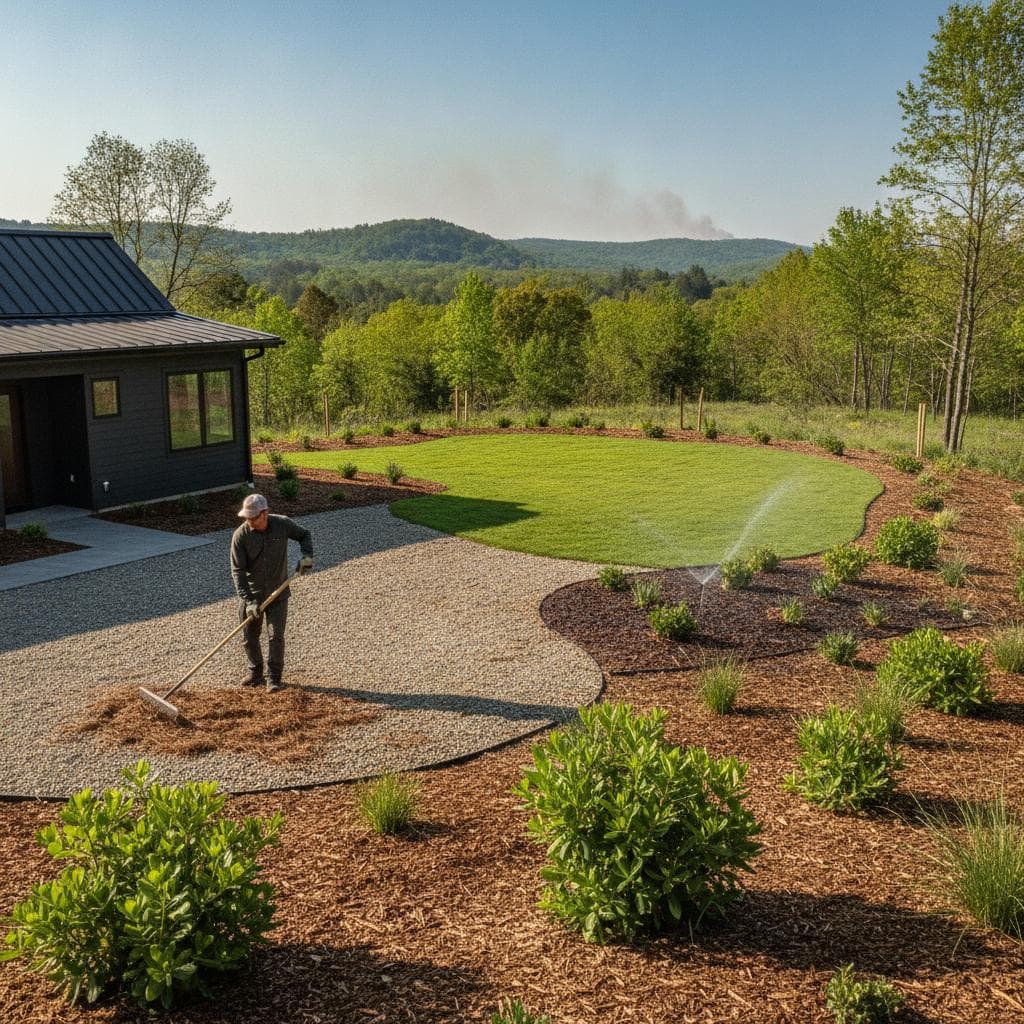
Site preparation plays a critical role in longevity. Detached units necessitate proper grading to direct water away from foundations, along with drainage solutions to manage runoff. Attached designs require fire-rated walls and doors per building codes to ensure safety. These steps prevent moisture issues and structural wear over time.
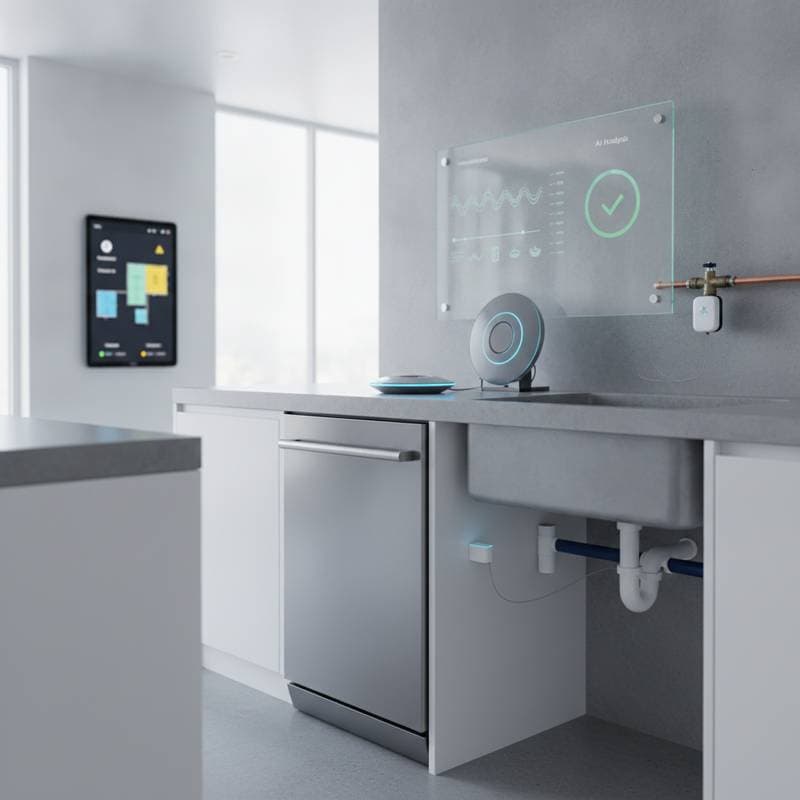
Incorporate smart technologies to boost appeal and efficiency. Install sub-meters for real-time energy tracking, app-controlled thermostats for climate management, and LED lighting with motion sensors. Such features promote eco-friendly living, attract quality tenants, and simplify utility disputes by providing clear usage reports.
Engaging Experts for Optimal Results
Granny flats span disciplines including civil engineering, energy analysis, and regulatory adherence. Prefabricated kits simplify assembly, but site-specific assessments remain essential. Consult a structural engineer to calculate foundation loads and wind resistance. An energy specialist can simulate performance using tools like REScheck to optimize insulation and glazing.
Hire a licensed general contractor experienced in ADUs to oversee permits and inspections. Early involvement identifies zoning hurdles, such as minimum size requirements or parking mandates. This proactive strategy avoids delays, ensures compliance, and positions the unit for prompt leasing.
Budget for professional fees, which range from 10 to 15 percent of total costs, as they safeguard against redesign expenses that could exceed $20,000. Document all consultations to support financing applications or insurance claims.
Strategies for Sustained Rental Success
To secure long-term cash flow, focus on tenant-friendly features and market responsiveness. Offer flexible lease terms aligned with local trends, such as month-to-month options for short-term renters. Maintain the unit with annual inspections for HVAC filters, plumbing seals, and roof integrity to uphold habitability standards.
Monitor economic shifts, like inflation impacts on rents or incentives for green upgrades. Reinvest a portion of income into enhancements, such as solar panels, to lower utility bills and qualify for rebates. Track performance metrics including vacancy rates and net yields to refine your approach. With diligent management, granny flats evolve from supplemental income to a cornerstone of financial stability.