Understanding Foundation Settlement Costs in 2025
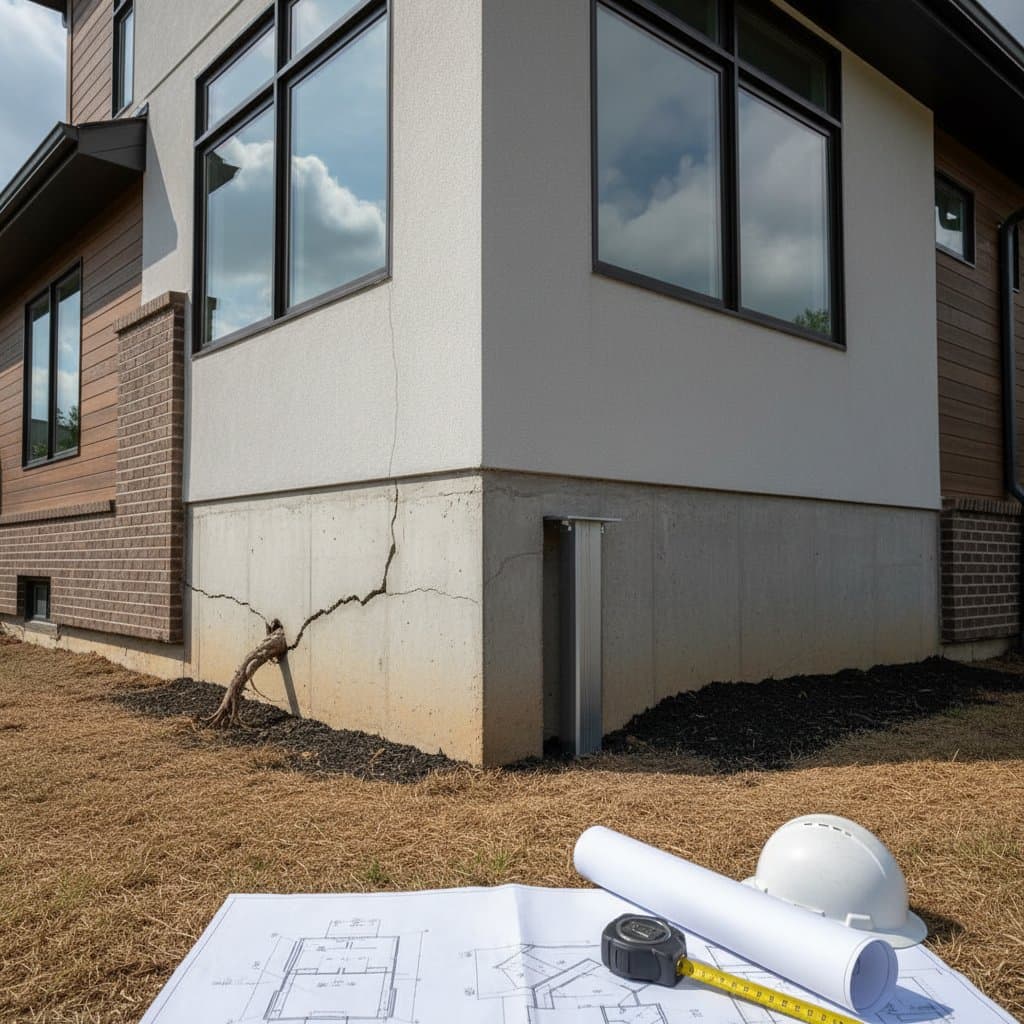
Homeowners often overlook early signs of foundation settlement, yet this decision can lead to escalating expenses. Settlement affects the home's stability, causing uneven floors, wall fissures, jammed doors, and stressed plumbing. Prompt attention to these issues minimizes financial impact and safeguards the structure's integrity over time. By grasping the engineering and economic aspects, owners can make informed choices for immediate fixes and sustained durability.
Causes of Foundation Movement
Foundations shift when underlying soil loses its ability to bear the home's weight. Common triggers include clay soil contracting in dry weather, repeated freeze-thaw cycles altering soil volume, or inadequate drainage leading to waterlogged subsoil. In clay-rich areas of the South and Midwest, fluctuating moisture levels dominate. Northern regions face challenges from frost expansion and shallow footings. Other factors encompass construction over uncompacted fill or soil erosion from pipe leaks under slabs.
At its core, settlement stems from reduced soil strength against the building's constant pressure. This imbalance prompts the structure to adjust, typically unevenly, resulting in differential movement and noticeable cracks.
Variations by Region and Soil Type
Costs for foundation work fluctuate based on local soil composition, weather patterns, and regulatory standards. Coastal humid zones demand piers with anti-corrosion steel, elevating material prices. Colder areas require piers driven below the frost line for stability. Arid regions with swelling soils need densely placed piers to counter side-to-side shifts.
Stabilization expenses typically span $40 to $80 per square foot of impacted area. Properties near high water tables incur extra charges for intricate digging and sealing against moisture. Structures on firm loam or sand benefit from simpler setups with fewer piers, lowering overall outlays.
Overview of Repair Techniques
| Repair Method | Load Capacity (per pier) | Average Cost per Pier | Best Application | Environmental Sensitivity | Maintenance Level |
|---|---|---|---|---|---|
| Helical Piers | 25,000–45,000 lbs | $1,200–$1,800 | Light to medium homes, clay soils | Moderate | Low |
| Push Piers | 40,000–60,000 lbs | $1,500–$2,400 | Heavy structures, deep stable soil | Low | Low |
| Slabjacking (Mudjacking) | N/A | $6–$12 per sq. ft. | Concrete slabs, minor settlement | High | Moderate |
| Driven Concrete Piers | 30,000–50,000 lbs | $1,000–$1,600 | Moderate soils, residential use | Moderate | Medium |
| Steel Bracket Underpinning | 50,000–70,000 lbs | $2,000–$3,000 | Severe settlement cases | Low | Low |
Helical piers feature helical plates that screw into firm soil layers, suiting smaller homes with restricted access. Push piers leverage the home's own mass to press steel sections into bedrock, ideal for substantial builds. Slabjacking lifts slabs via injected grout or foam, though it offers shorter-term results in fluctuating soils.
Ensuring Seamless Structural Integration
Effective repairs extend beyond halting shifts; they must align with the home's current framework and weight distribution. Professionals assess beam shapes, soil profiles, and depth to set pier intervals and balance loads. For slab foundations, workers drill access points to reach the underside. Homes with crawl spaces or basements use brackets secured to existing footings.
Utilities like wiring, pipes, and vents run close to the foundation. Elevation changes during repair can stress these elements. Comprehensive plans incorporate post-stabilization leveling, drain slope adjustments, and checks to ensure doors and windows align properly.
Weighing Expenses Against Benefits
Comprehensive foundation work ranges from $10,000 to $40,000, far less than the fallout from unchecked decline. Emerging cracks invite water that rusts reinforcement bars, compromising footings further. Early responders typically invest half as much as those tackling advanced problems.
Beyond damage prevention, repairs boost resale appeal. Properties with certified fixes and engineer reports fetch premiums over those with lingering defects. Across 25 years, a robust stabilization outpaces the cumulative expense of temporary patches that ignore underlying issues.
Adhering to Installation Standards
Regulations mandate that underpinning satisfies load-handling requirements. Local codes often draw from the International Residential Code, specifying pier strength and rust-proofing. Installers avoid disturbing nearby supports or services during work.
The process starts with digging to the footing base, fitting brackets, and using hydraulic tools to embed piers in solid layers. Each pier undergoes load testing to verify capacity before elevating the foundation. Precision tools and skilled teams ensure accuracy. Select licensed specialists over generalists to meet codes and secure warranties.
Managing Environmental and Upkeep Factors
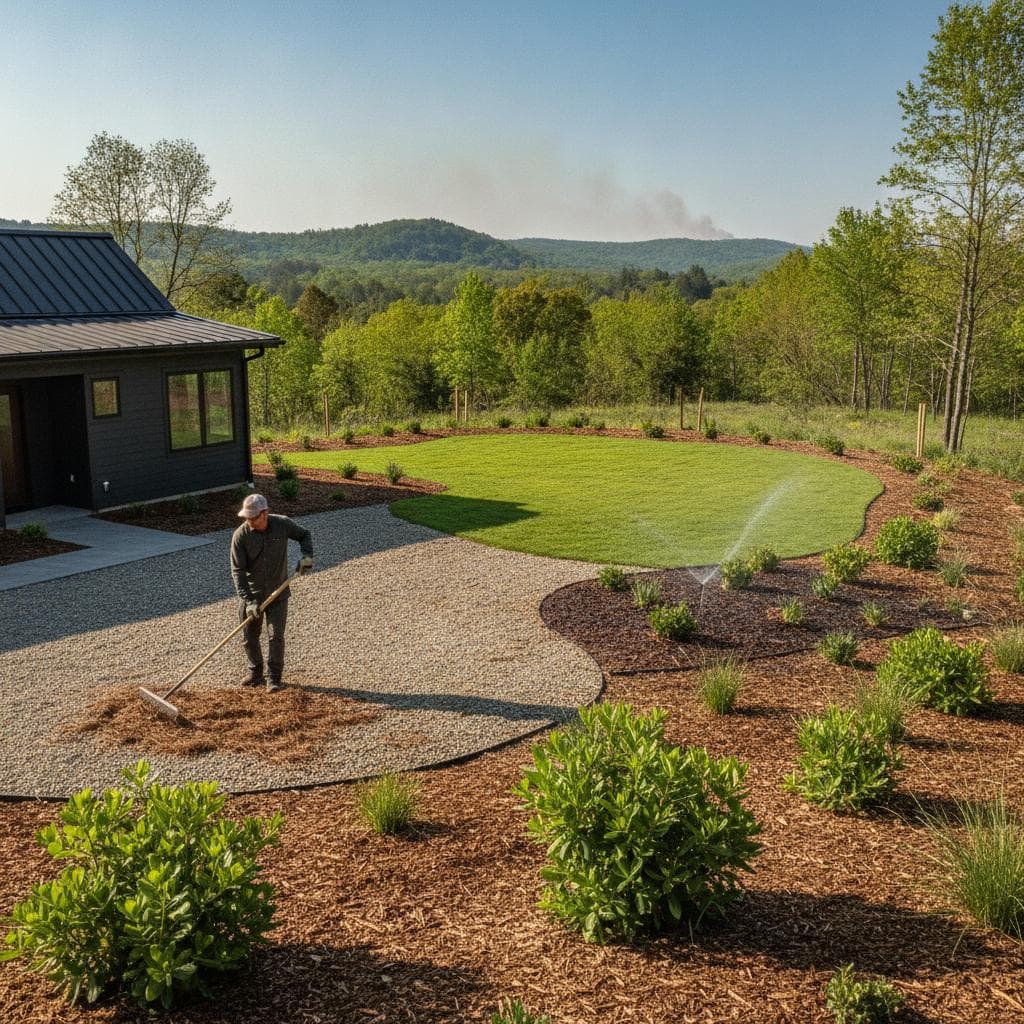
Chosen materials and approaches affect ecological footprint. Helical piers cut concrete use, lowering carbon emissions. Foam injections demand careful handling to prevent leaching into aquifers. Ongoing care involves tracking pier shifts and optimizing site drainage. Position gutters, extend downspouts, and slope ground to divert water from the base.
Rainy locales benefit from edge drains and sump systems to ease water buildup. Arid spots maintain even soil hydration via targeted watering. Stability relies equally on soil care and reinforcement.
Securing Enduring Stability
Advanced foundations endure for decades, provided environmental shifts are anticipated. Changing weather may alter soil behavior. For new builds or upgrades, opt for deep options like bored piers or tie beams that skip shallow weak zones. Sensor-based monitors now enable real-time alerts on movement and moisture.
Stable bases also enhance energy use. Settlement gaps leak air, inflating utility bills. Repairs seal these breaches, improving insulation between structure and earth.
Steps to Protect Your Home Now
Start by inspecting for cracks, unevenness, or sticking elements. Consult a structural engineer for a soil analysis and repair recommendation. Budget for professional intervention to halt progression and restore balance. Regular maintenance, like clearing gutters and monitoring moisture, extends the foundation's life and shields your investment.