Introduction to Drone Roof Inspections
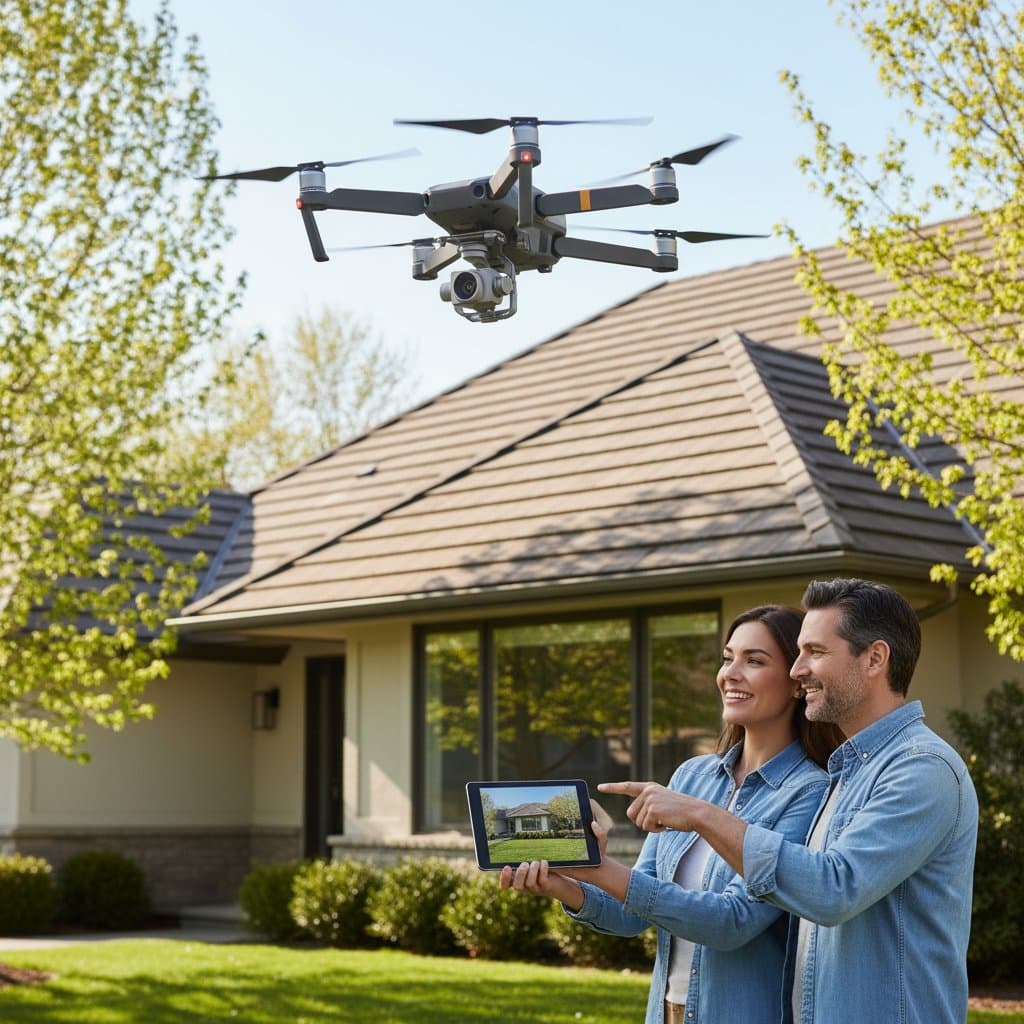
Rising material costs from tariffs and supply chain disruptions make roof maintenance more expensive each year. Shingles, underlayment, and flashing prices continue to increase, yet neglecting inspections until leaks appear leads to even greater expenses. Homeowners increasingly adopt drone technology for early detection of issues, avoiding ladders and high-cost crews.
Personal experience underscores the value of prevention. A delayed response to storm damage once resulted in water spots and a repair bill that exceeded proactive inspection costs by double. Drones now enable safe, precise monitoring without physical risk.
Benefits of Springtime Drone Checks
Spring emerges as the optimal season for roof evaluations due to winter's lingering effects. Harsh weather loosens shingles, corrodes flashing, and clogs gutters, with damage often hidden from ground level. Drones equipped with quality cameras deliver detailed images, pinpointing problems before summer rains or heat exacerbate them.
Anticipating material shortages proves crucial. Drone footage allows time to source replacements like asphalt shingles or silicone sealants ahead of demand spikes. Early intervention minimizes disruptions and preserves structural integrity.
Choosing Between DIY and Professional Services
Assess roof characteristics to decide on approach. Low-pitch roofs with few obstacles suit DIY efforts. Select drones featuring obstacle avoidance sensors and real-time video feeds for controlled navigation. Begin practice sessions in open spaces to build confidence.
Maintain visual contact with the drone at all times and adhere to Federal Aviation Administration guidelines, including no-fly zones near airports. For steep pitches, multi-story structures, or signs of structural issues like sagging sections or deteriorated vents, engage certified professionals. They provide thermal imaging for moisture detection and expert analysis of findings.
Obtain estimates from at least three local roofing specialists prior to committing to repairs. This step ensures competitive pricing and informed choices.
- DIY Checklist:
- Verify drone battery life exceeds 20 minutes for full coverage.
- Use a 4K camera for clear granule loss or crack visibility.
- Fly at 10-15 feet altitude to balance detail and safety.
- Professional Advantages:
- Access to advanced software for 3D modeling.
- Liability insurance coverage.
- Compliance with building codes.
Planning Effective Inspections
Schedule flights on days with clear skies and minimal wind, ideally under 10 mph. Morning or late afternoon sunlight highlights textures and shadows, outperforming harsh noon light. Start with an overhead sweep of the entire surface, then focus on edges, valleys, and chimney bases.
Document findings systematically. Capture sequential photos or videos for baseline records. Compare against prior inspections to track wear patterns, such as granule erosion on asphalt shingles or rust on metal flashing.
Address issues promptly upon detection. Cracked shingles require patching with roofing cement, while missing pieces demand full replacements. Dark stains near vents signal possible mold; ventilate and seal immediately to prevent interior damage.
Year-Round Roof Maintenance Strategies
Conduct drone inspections biannually, in spring and fall, to sustain roof condition. This routine eliminates hazardous climbs, creates insurance documentation, and supports home value assessments during sales or policy renewals. Initial investment in equipment yields substantial returns through avoided emergencies.
Build a digital archive of images over time. Share this with contractors for precise quoting, reducing guesswork and overcharges. Consistent monitoring extends lifespan by 5-10 years for typical asphalt roofs, depending on climate and installation quality.
Incorporate complementary habits, such as quarterly gutter cleanings and annual sealant applications around penetrations. These practices, combined with drone vigilance, foster a resilient home exterior and financial security.