What Bathroom Remodels Really Cost by Region in 2026
Upgrading a bathroom improves daily comfort and increases home resale value. The total expense depends heavily on location. Regional labor rates, material availability, and design trends shape the final budget. Homeowners who understand these differences plan more effectively and avoid unexpected charges.
Regional Bathroom Remodel Costs
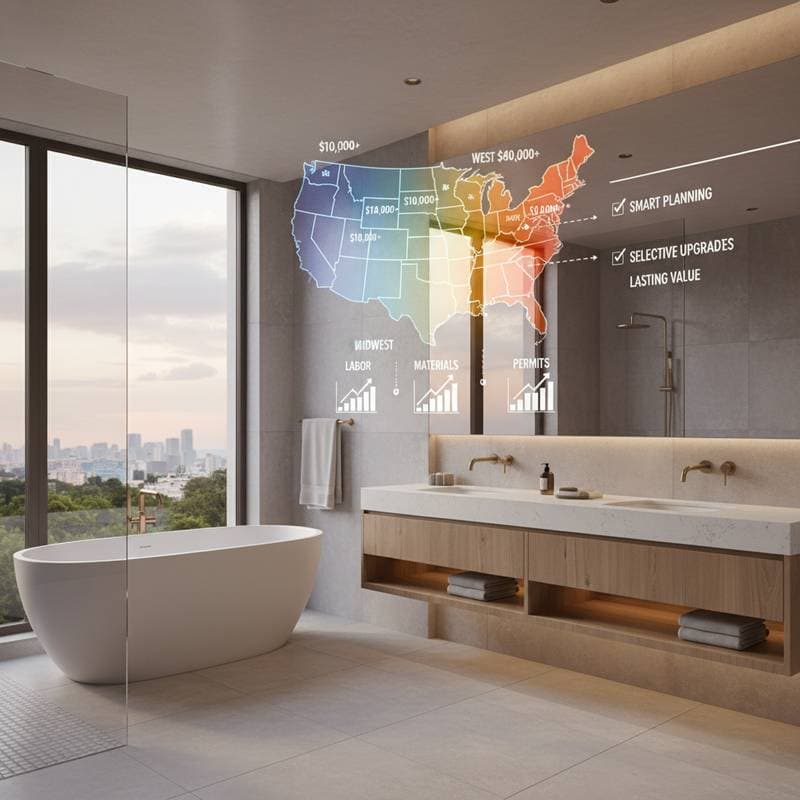
Bathroom remodel prices differ across the country because of labor rates, permit fees, and material costs. The following ranges reflect typical mid-range projects in each area.
Northeast
Homeowners in the Northeast usually spend between $18,000 and $32,000. Labor rates rank among the highest nationwide, particularly in cities. Projects often involve tile work, plumbing adjustments, and premium finishes that push totals higher. Older homes with small bathrooms require extra demolition and preparation, which adds to the overall expense.
South
Comparable projects in southern states typically cost $10,000 to $22,000. Lower labor rates and ready access to supplies help keep expenses down. Many homeowners select efficient layouts and modern styles instead of luxury features. Vinyl flooring and prefabricated shower units maintain quality while controlling spending.
Midwest
Midwest remodels average $11,000 to $24,000. Labor costs remain moderate, and standard home layouts simplify installation. Residents often choose durable options such as porcelain tile and quartz countertops. Owners who complete demolition or painting themselves reduce the final amount further.
West Coast
West Coast projects range from $20,000 to $40,000. Permits, skilled labor, and high-end materials drive prices upward. Popular designs include spa-style showers, frameless glass panels, and custom tile patterns. Energy-efficient fixtures and water-saving components help manage ongoing utility costs.
Mountain and Southwest Regions
Remodels in mountain and southwest areas average $13,000 to $26,000. Remote locations and material transport affect pricing. Natural stone, rustic surfaces, and efficient lighting suit local environments. Custom cabinetry and stone details increase the total yet provide long-term value.
Key Factors Affecting Remodel Expenses
Several elements determine the final cost of any project. Older homes frequently need plumbing updates or subfloor repairs. Larger bathrooms require additional materials and labor hours. Choices such as natural stone or quartz surfaces increase material expenses quickly. Moving plumbing lines or walls adds complexity and requires extra permits. Local building codes also influence inspection fees.
Obtain at least three detailed bids from licensed contractors before work begins. Each proposal should list material allowances, a project timeline, and warranty coverage.
Deciding Between DIY and Professional Help
Homeowners can manage simple cosmetic tasks such as painting or hardware replacement. Plumbing, electrical work, and tile installation demand specialized skills and code knowledge. Licensed professionals ensure proper waterproofing, precise measurements, and full compliance with regulations. For mid-size or larger projects, hiring a contractor protects the investment and prevents future repairs.
When choosing a contractor, request examples of completed bathrooms, warranty details, and policies for scheduling changes. Review references and recent feedback to confirm the quality of past work.
Beginning Your Renovation
A successful bathroom remodel delivers improved comfort, better efficiency, and added property value. Establish a budget using regional cost data, then refine it with local contractor quotes. Visit showrooms to evaluate materials in person and set a clear project schedule before demolition starts. Consistent communication and careful selections keep the process on track and produce satisfying results.