How AI Filter Alerts Deliver $800 Savings on Spring HVAC Tune-Ups
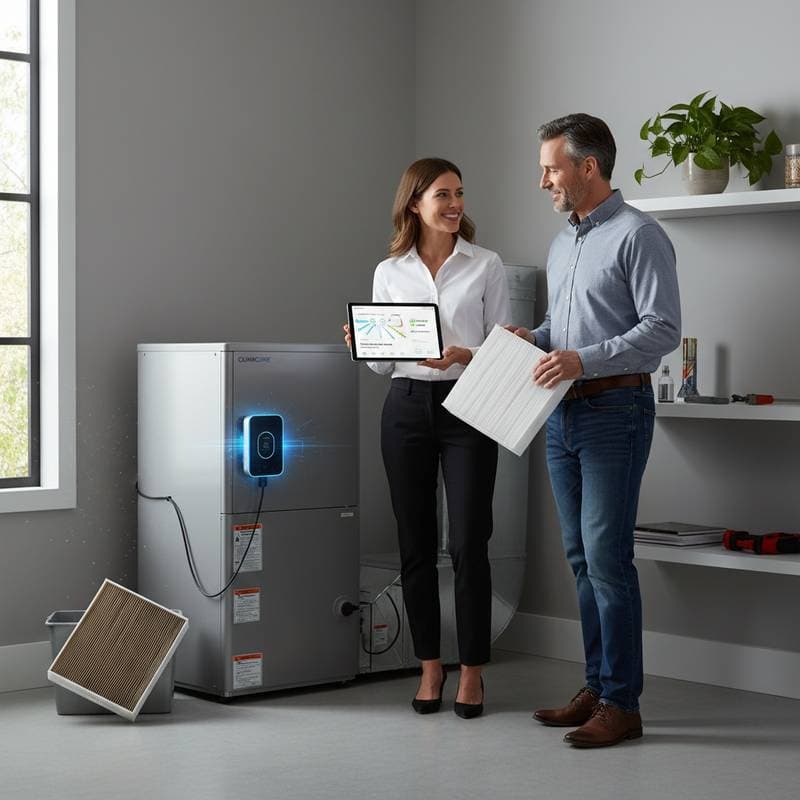
Homeowners often overlook the subtle signs of HVAC inefficiency until spring arrives and energy bills spike. Dust accumulation in filters and ducts can increase operating costs by up to 20 percent, leading to unexpected repair expenses. AI-driven filter alert systems address these issues by providing real-time monitoring of air quality, airflow, and filter status, enabling preventive maintenance that saves up to $800 on tune-ups and energy use each year.
These systems use advanced sensors to detect changes in performance before problems escalate. By alerting users via apps or thermostats, they ensure optimal operation and reduce the need for emergency interventions. This approach not only lowers costs but also enhances indoor comfort and system longevity.
The Importance of Real-Time Filter Monitoring
Conventional HVAC maintenance follows rigid calendars, which may overlook actual system needs. AI filter alerts shift to data-driven insights, delivering notifications based on precise measurements of airflow and particle levels. Homeowners gain the ability to address issues promptly, avoiding the energy waste from clogged components.
A single clogged filter can elevate energy consumption by 15 percent, straining the blower motor and compressor. When integrated with AI, sensors track filter efficiency continuously and prompt replacements only as required. This targeted strategy minimizes unnecessary expenses while maintaining superior air quality throughout the home.
Factors Influencing Integration Costs
The expense of adding AI filter alerts varies based on several key elements. Understanding these helps in planning a realistic budget.
- Existing System Age: Units over 10 years old might require sensor calibration or software updates, adding $100 to $200 to initial setup.
- Filter Specifications: Standard pleated filters cost less to replace than advanced HEPA options, which capture finer particles but demand quarterly changes.
- Property Dimensions: Homes exceeding 2,000 square feet often need multiple sensors, increasing installation by 15 to 25 percent.
- Local Service Fees: Technicians in metropolitan areas charge $75 to $125 hourly, compared to $50 to $80 in suburban zones.
- Device Integration: Systems compatible with platforms like Nest or Ecobee simplify setup, potentially cutting costs by avoiding additional hardware.
For a typical single-family home, expect to invest $450 to $750 upfront. This outlay recovers quickly through sustained efficiency gains and averted repairs.
Practical Steps to Maximize Savings
Implementing AI alerts alongside seasonal maintenance yields the best results. Consider these targeted actions to optimize your HVAC performance.
- Book Services in Early Spring: Providers frequently discount tune-ups by 12 to 18 percent outside peak demand periods.
- Combine Upgrades: Pair filter alert installation with blower cleaning or zoning adjustments to consolidate technician visits and fees.
- Leverage Energy Incentives: Check with local utilities for rebates up to $200 on qualifying smart devices that improve efficiency.
- Customize Notification Settings: Fine-tune alert triggers to balance filter life with air purity, extending intervals between replacements.
- Analyze Usage Patterns: Review app reports to identify peak consumption times and adjust thermostat settings for further reductions.
Positioning your system for spring readiness prevents summer overloads. Request estimates from three certified technicians to secure competitive rates and seamless compatibility.
Calculating Return on Investment
AI filter alerts offer compelling financial benefits, especially when synchronized with routine inspections.
- Recovery Timeline: Most installations recoup costs in 10 to 15 months via operational savings.
- Utility Reductions: Achieve 12 to 22 percent lower bills from optimized cooling cycles.
- Repair Cost Cuts: Decrease unplanned service visits by 30 to 45 percent through early detection.
- Property Value Boost: Energy-efficient features appeal to buyers, adding 2.5 to 4 percent to market price.
Forward-thinking homeowners view these systems as essential upgrades. They not only control expenses but also align with sustainable living practices, enhancing overall home appeal.
Steps to Implement AI Filter Alerts
Begin by evaluating your current HVAC setup for smart capabilities. Consult the manufacturer's documentation to confirm support for add-on modules.
Contact licensed specialists experienced in IoT integrations for assessments. Inquire about installation timelines, extended warranties, and ongoing support options.
After setup, engage with the monitoring app regularly to log data and respond to prompts. Integrate this with comprehensive spring servicing, covering evaporator coils, refrigerant levels, and ventilation paths.
These measures secure $800 in savings by fostering reliability and efficiency. Proactive management ensures lasting comfort without compromising budgets.