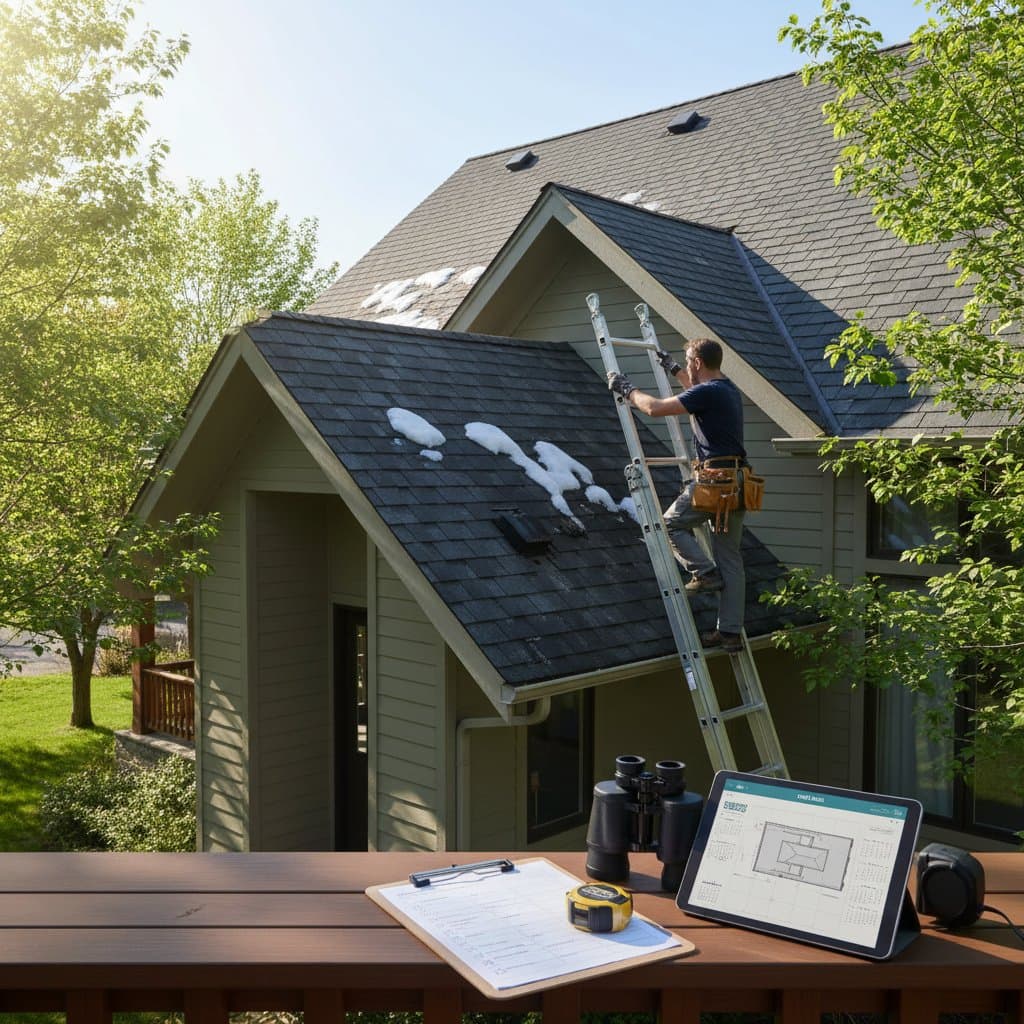
Spring Roof Inspection: Spot Winter Damage Before It Spreads
Heavy snow, ice dams, and freezing rain exert significant stress on roofs during winter months. These conditions frequently cause damage that remains invisible until warmer weather arrives. Spring provides the ideal opportunity to examine your roof closely, address emerging problems, and avert potential leaks or structural failures that could lead to extensive home repairs.
A systematic inspection requires safety precautions, such as using a sturdy ladder and non-slip shoes. Focus on areas prone to accumulation, like valleys and edges. Early detection allows for targeted fixes that preserve your home's integrity and avoid the escalation of minor issues into major expenses.
Common Winter Damage Indicators
Moisture from winter precipitation penetrates tiny cracks in roofing materials and expands during freeze-thaw cycles. This process results in lifted or cracked shingles, compromised flashing around chimneys and vents, and subtle leaks that infiltrate the attic. Over time, untreated damage manifests as water stains on interior ceilings, mold growth in hidden spaces, or reduced insulation effectiveness.
Look for specific visual cues during your inspection. Granules from asphalt shingles collect in gutters, signaling surface erosion. Buckled or missing sections indicate ice dam impacts. Dark streaks or soft spots on the roof surface suggest underlying rot. If interior signs appear, such as musty odors or peeling paint, prioritize a professional evaluation to assess the extent of penetration.
Inspect the roof once the surface dries completely and temperatures stabilize above freezing. This timing minimizes slip risks and ensures accurate identification of issues before summer rains exacerbate them.
Repair Cost Breakdown by Roof Type
Repair expenses vary based on material durability, damage severity, and regional factors. The following table outlines typical costs for common winter-related repairs, assuming moderate damage on a standard-sized section.
| Roof Type | Typical Repair Cost | Common Issues |
|---|---|---|
| Asphalt Shingle | $300 - $800 | Curling edges, granule loss |
| Metal | $600 - $1,200 | Rust formation, loose seams |
| Tile | $700 - $1,500 | Cracked tiles, slipped sections |
| Flat Roof | $500 - $1,000 | Ponding water, membrane tears |
In coastal areas or regions with stringent building codes, anticipate 15 to 20 percent higher costs due to premium materials and specialized labor. Always obtain detailed estimates that itemize labor, materials, and any necessary permits.
Practical Strategies to Minimize Expenses
Combine multiple small repairs into a single visit to reduce overall labor charges by up to 25 percent. For instance, address shingle replacements alongside gutter clearing and sealant applications. This approach streamlines the process and often qualifies for bundled service rates.
Book inspections and repairs early in the season, as demand surges with the onset of spring storms. Many contractors offer introductory discounts for prompt scheduling, potentially saving 10 to 15 percent on total bills.
Review your homeowner's insurance policy for coverage of winter storm-related damage. File claims within the specified timeframe, typically 30 to 60 days of discovery, to recover eligible costs. Document all findings with photographs to support assessments.
Obtain at least three quotes from licensed local contractors before proceeding with significant work. Compare not only prices but also warranties, timelines, and references to ensure quality outcomes.
Long-Term Roof Maintenance Steps
Regular upkeep transforms a roof from a potential liability into a reliable asset that enhances property value. Annual spring inspections, paired with debris removal and sealant refreshes, can extend service life by 20 to 30 percent. Document each examination with dated photos to monitor progressive wear and inform proactive interventions.
Invest in preventive measures like installing ice dam guards or improving attic ventilation to mitigate future winter stresses. These enhancements reduce recurrence risks and maintain a dry, secure living environment. By committing to these practices, homeowners secure peace of mind and substantial long-term savings.