2026 Trend: Strategic Wall Additions in Open Floor Plans
Home renovation projects show a clear shift toward measured separation. After years of removing walls to create expansive open layouts, many homeowners now install targeted partitions. This change addresses practical issues that emerged during extended periods of remote work and fluctuating energy costs. The result is a balanced approach that preserves openness where it serves daily life while restoring definition in key zones.
Reasons for Reconsidering Open Layouts
Open floor plans once represented contemporary living, yet daily use exposed several drawbacks. Noise from one activity disrupts others throughout the shared space. Large volumes also prove difficult to heat or cool evenly, which raises utility expenses. Rising material costs further encourage smaller, focused projects over complete overhauls.
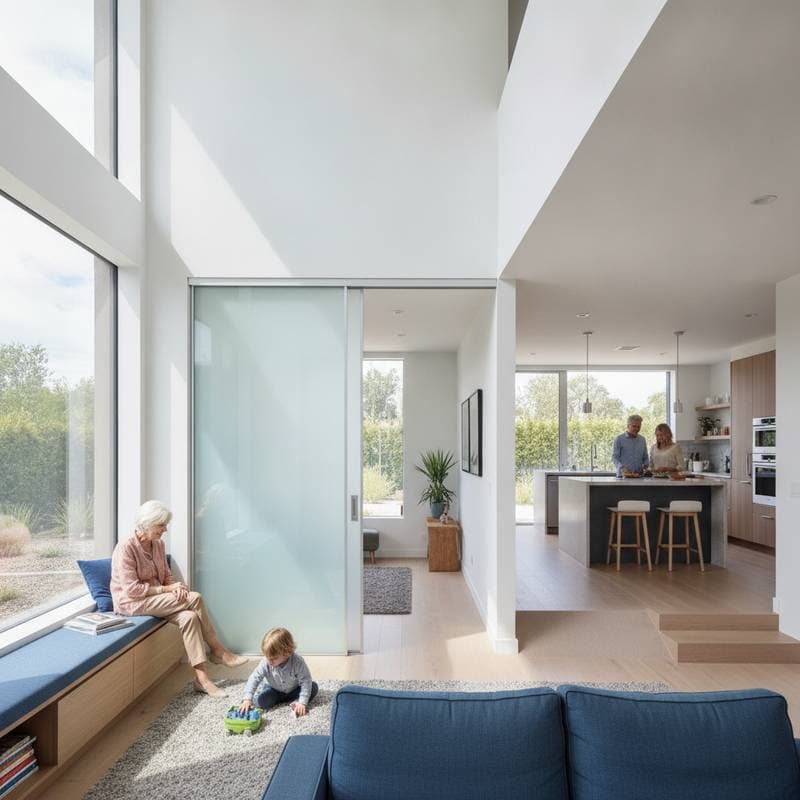
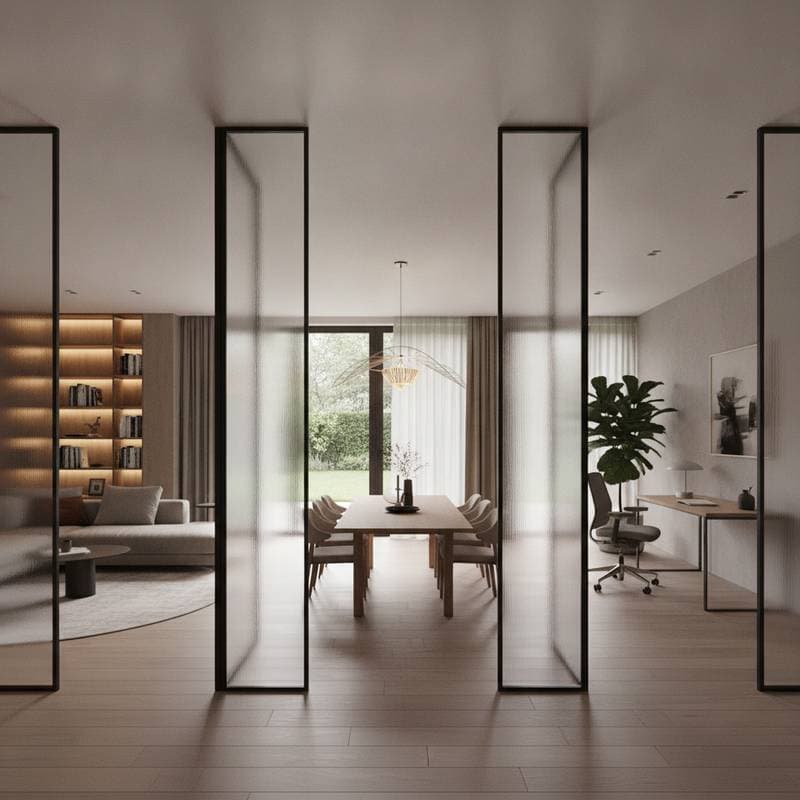
Targeted wall additions now deliver privacy and acoustic control without major structural work. Homeowners create dedicated offices, quiet dining areas, or separate play zones through modest interventions. These updates restore comfort while respecting current budget constraints.
Deciding Between DIY and Professional Installation
Certain wall projects remain suitable for experienced homeowners, while others demand licensed expertise.
- Lightweight non load bearing partitions without electrical or plumbing runs
- Decorative screens or modular dividers in rental settings
- Half walls that stop short of the ceiling for visual separation
Professional involvement becomes necessary when the work affects structure, requires permits, or involves wiring and ductwork. Structural engineers or contractors should evaluate any plan that could compromise load bearing elements. Three competitive bids from local professionals help establish realistic timelines and costs before work begins.
Optimal Locations for New Walls
Homeowners achieve the greatest returns by focusing on high impact areas.
- Home offices benefit from sound insulated walls that limit distractions and support productivity.
- Large bedrooms or guest rooms can be divided to create additional sleeping quarters without expanding the footprint.
- Dining rooms gain a sense of occasion when enclosed, allowing meals to proceed without interference from adjacent activities.
- Entryways and mudrooms contain clutter and reduce drafts when partial walls are introduced near doors.
- Basements gain versatility when divided into distinct zones for exercise, media, or recreation.
Each option scales from basic framing to fully finished construction depending on available resources.
Financial and Market Benefits
Buyers increasingly favor homes that offer both openness and the ability to close off spaces. Real estate agents note faster sales for properties with adaptable room configurations. Homeowners typically recover 50 to 70 percent of wall addition costs through improved daily function and stronger resale appeal.
Enclosed rooms also consume less energy for heating and cooling. Annual utility savings of 10 to 15 percent are common once insulation and smart controls are in place. Over several years these reductions offset a significant portion of the initial investment.
Steps to Implement Changes
Begin by walking through each room and noting where noise, temperature swings, or lack of privacy create daily friction. Temporary furniture arrangements or freestanding screens can test proposed wall locations before any construction occurs. Once placements are confirmed, obtain necessary permits and schedule work during periods that minimize household disruption. The outcome is a home that supports both shared time and individual needs while maintaining long term value.