Unveiling the True 2026 Costs of Multigenerational Home Layouts
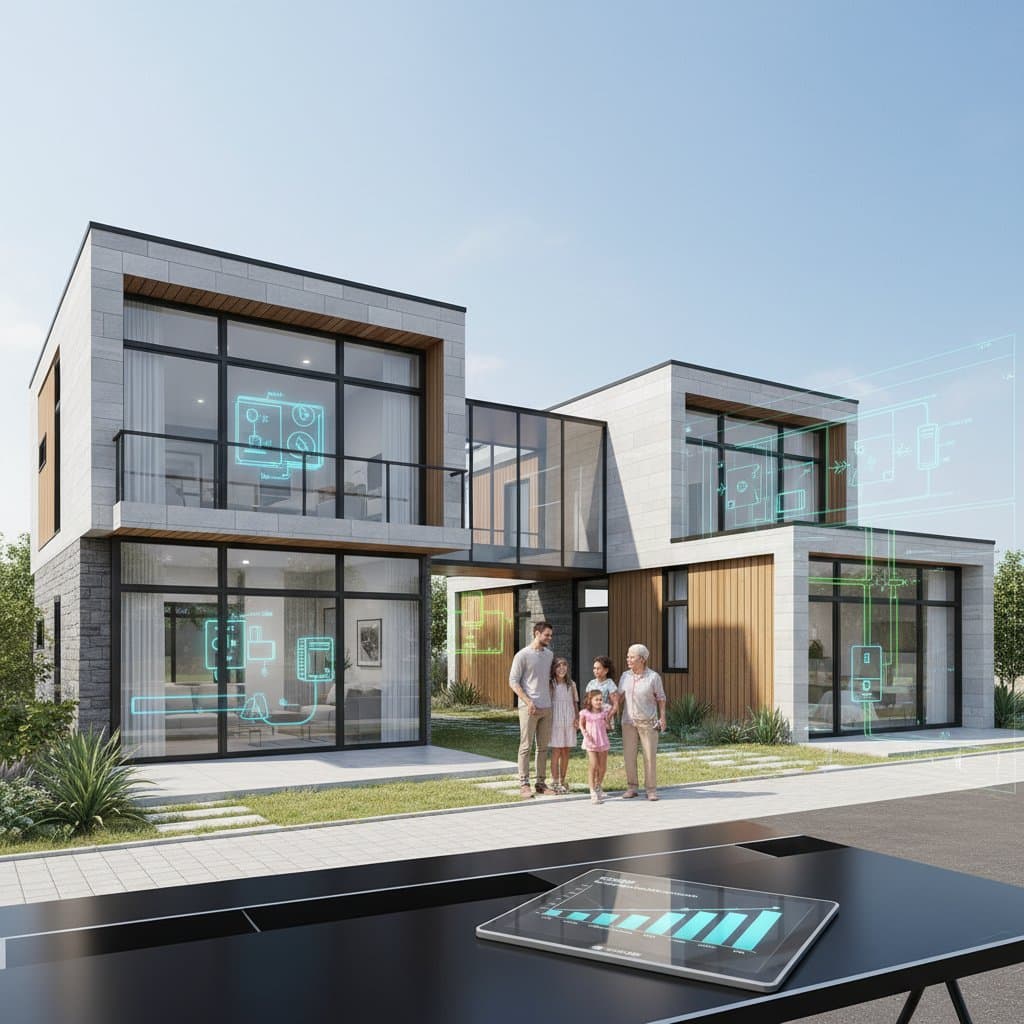
Families often choose multigenerational home designs to keep loved ones close while preserving individual independence. These layouts involve more than simply expanding square footage. They necessitate careful planning for mechanical systems, zoning separations, and utility infrastructures that support varied lifestyles under one roof. Homeowners who grasp these elements can avoid unexpected expenses and build spaces that promote harmony and practicality.
The financial commitment starts with understanding how privacy and accessibility shape the home's core systems. Electrical demands increase with separate living areas, while plumbing must accommodate multiple kitchens or bathrooms without compromising flow. Heating, ventilation, and air conditioning setups become pivotal, as they balance shared efficiency with personal comfort. Projections for 2026 highlight rising material costs and stricter energy codes, making informed decisions essential for budget control.
System Overview
Multigenerational homes rely on robust integrated systems for heating, ventilation, air conditioning, plumbing, and electrical distribution. These systems must handle higher loads while complying with residential standards. Efficiency ratings guide selections, with Seasonal Energy Efficiency Ratio values from 18 to 21 indicating strong performance for cooling, Annual Fuel Utilization Efficiency at 95 percent for furnaces, and Heating Seasonal Performance Factor between 9 and 11 for heat pumps.
Designers target Department of Energy climate zones 3 through 6, where moderate temperatures allow balanced operation without extreme demands. Average capacity ranges from 36,000 to 60,000 British Thermal Units for dual-zone configurations, sufficient for most family setups. Systems typically last 15 to 25 years when maintained regularly, though installation proves complex due to the need for zoning dampers, separate circuits, and duplicated infrastructure. All designs must adhere to local codes on residential separations, emergency egress paths, and mechanical safety requirements.
System Types Breakdown
Selecting the right system type depends on the level of independence desired among household members. Each option presents trade-offs in cost, efficiency, and ease of use. Families benefit from evaluating their daily routines and future needs before proceeding.
1. Shared Central Systems
This approach uses one high-capacity unit with zoning controls to direct airflow to different areas. Efficiency reaches SEER 18 or higher and AFUE 95 percent, making it suitable for moderate climates.
Such systems work best in homes where generations interact frequently across floors and privacy needs remain minimal. The primary advantage lies in reduced upfront equipment expenses, as a single unit serves the entire property. However, ductwork requires intricate design to avoid imbalances, and temperature inconsistencies can arise during peak usage times. Homeowners may notice higher energy bills if one area demands constant cooling while another stays idle.
2. Independent Mini-Split Systems
Here, each living suite features its own ductless heat pump, allowing precise control without extensive piping.
Efficiency exceeds SEER 20 and HSPF 10, ideal for energy-conscious designs. These systems suit homes with full separations, such as in-law suites or detached additions, where occupants value autonomy.
Benefits include individualized temperature settings and elimination of shared ducts, which reduces allergen spread. No central blower means quieter operation and easier zoning. Drawbacks involve elevated costs for multiple units and additional electrical wiring, potentially requiring panel expansions. Installation demands skilled technicians to ensure proper refrigerant handling and wall penetrations.
3. Dual-Utility Configurations
Fully separate HVAC, plumbing, and electrical setups treat each space as a standalone unit.
Efficiency varies by chosen components, often aligning with SEER 17 or better in modern installs. This configuration excels in properties aimed at rental potential or high resale flexibility, as it simplifies utility metering.
Advantages encompass straightforward billing for shared expenses and enhanced privacy through isolated operations. Fire safety improves with dedicated vents and circuits. Challenges include the highest complexity during installation, with costs reflecting duplicated meters, pipes, and panels. Retrofitting existing homes amplifies expenses due to structural modifications.
Integration Considerations
Blending these systems into a cohesive whole requires precise engineering from the outset. Load calculations determine if current electrical panels can support added appliances like multiple washers or ovens. Upgrades to 200-amp service become common, ensuring stable power without frequent breaker trips.
Plumbing integrations focus on maintaining even pressure and proper drainage slopes across zones. Cross-connections risk contamination, so backflow preventers prove essential. Ventilation standards mandate isolated air returns to avoid odor transfer between suites, often incorporating heat recovery ventilators for freshness without energy loss.
Smart thermostats and automation platforms streamline management, adjusting settings based on occupancy. For instance, unoccupied areas can enter energy-saving modes, cutting bills by up to 20 percent. Early consultation with architects prevents costly rework, as zoning laws vary by municipality and influence wall placements or door swings.
Cost-Benefit Analysis
Evaluating expenses involves more than initial outlays; ongoing operations and value additions matter equally. The table below summarizes key metrics for 2026 projections, factoring in inflation and material trends.
| System Type | Efficiency Rating | Avg. Install Cost | Annual Operating Cost | Maintenance Level |
|---|---|---|---|---|
| Shared Central | SEER 18 | $18,000–$25,000 | $1,500 | Moderate |
| Mini-Split Systems | SEER 20 | $22,000–$30,000 | $1,200 | Low |
| Dual-Utility | SEER 17 | $28,000–$40,000 | $1,400 | High |
Shared central options save on installation but risk inefficiencies from mismatched usage patterns, potentially adding $300 annually in wasted energy. Mini-splits offer the lowest running costs through targeted operation, appealing to eco-focused families. Dual-utility setups, though priciest upfront, boost marketability; properties with independent meters often appraise 10 to 15 percent higher in family-oriented neighborhoods.
Professional Recommendation
Engage a mechanical engineer early to conduct detailed load assessments and simulate system performance. These experts verify duct diameters, refrigerant pathways, and circuit capacities against safety norms. Building performance specialists can model airflow dynamics, ensuring even distribution without hot spots or drafts.
Select contractors licensed in your state, with proven experience in multigenerational projects. They must navigate codes for kitchen separations, stairwell egress, and fire-rated walls, which protect against hazards in shared spaces. A thorough bid process reveals hidden fees, such as permits or inspections, allowing accurate budgeting.
Long-Term Planning and Next Steps
Beyond construction, anticipate doubled maintenance for independent systems, with filter changes and tune-ups occurring biannually. Replacement timelines differ; aligning brands facilitates bulk servicing and extends overall durability. Energy audits forecast usage under scenarios like seasonal visits or full occupancy, revealing savings from insulation upgrades or solar integrations.
Develop a 10-year financial plan covering warranties, repairs, and efficiency rebates. Local incentives for high-SEER units can offset 10 to 20 percent of costs. Schedule annual reviews to adapt to family changes, such as aging in place modifications.
To proceed, commission a comprehensive mechanical blueprint that details integrations and contingencies. This step transforms abstract costs into tangible benefits, fostering a home that nurtures generations with reliability and ease.