Understanding Greywater Systems and the Rebate Incentive
Greywater refers to lightly used household wastewater from sinks, showers, bathtubs, and washing machines. Unlike blackwater from toilets, greywater requires minimal treatment for safe reuse in irrigation or toilet flushing. Many regions offer a $2,000 rebate to encourage adoption, offsetting installation expenses and promoting water conservation.
This incentive addresses rising water costs and environmental concerns. Homeowners benefit from reduced utility bills and enhanced property resilience in drought-prone areas. The rebate transforms a practical upgrade into an accessible investment.
Key Benefits: Financial Savings and Property Enhancement
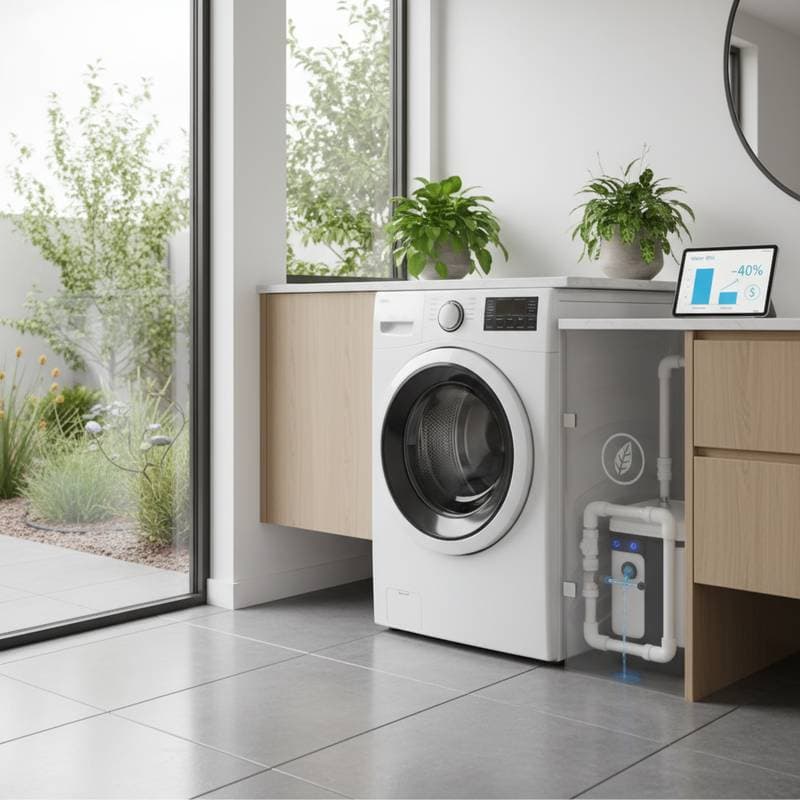
Installing a greywater system can lower water bills by up to 40 percent through reuse for landscaping or indoor applications. Combined with the $2,000 rebate, initial costs drop significantly, often achieving payback within three to five years. These figures account for water savings and the rebate value. Over time, savings accumulate, particularly as water rates increase.
Beyond finances, greywater systems appeal to eco-conscious buyers. Properties with sustainable features command higher market prices, sometimes adding five to ten percent to resale value. This upgrade signals forward-thinking ownership and reduces environmental impact.
Types of Greywater Systems
Homeowners select from simple or complex systems based on needs. Basic laundry-to-landscape setups divert washing machine output directly to garden irrigation, ideal for small yards. These require minimal plumbing changes and suit beginners.
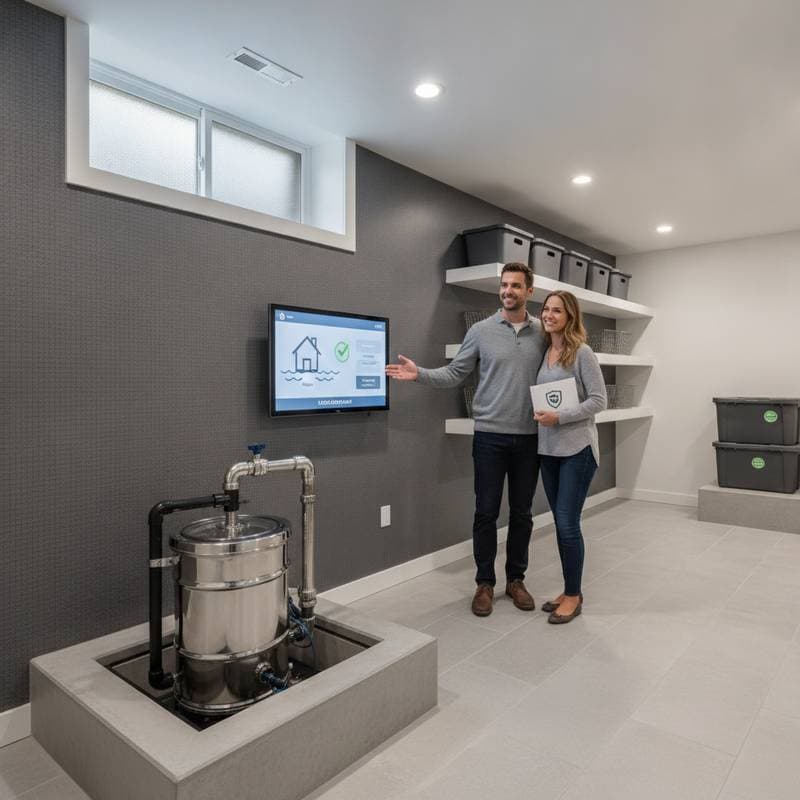
Advanced systems treat water from multiple sources, including showers and sinks, for broader reuse like toilet flushing. Such configurations demand filtration and pumps but offer greater savings. Evaluate household water usage and yard size to choose appropriately.
Installation Options: DIY Versus Professional
DIY installations work for straightforward systems, especially laundry diversions. Gather permits, purchase diverter valves and hoses, and follow manufacturer guidelines. This approach saves labor costs but demands basic plumbing knowledge to avoid code violations.
Professional installation ensures compliance and efficiency for complex setups. Certified contractors handle permits, electrical work, and integration with existing plumbing. Expect costs of $3,000 to $7,000 before rebate, with pros providing warranties and optimal performance.
Compare quotes from at least three providers. Factor in system lifespan, typically 15 to 20 years, and long-term reliability.
Steps to Secure the Rebate
Eligibility varies by location, often requiring residence in a participating district and use of approved systems. Visit your local water authority website to confirm criteria and download application forms.
Submit plans or invoices post-installation for rebate approval. Processing takes four to eight weeks, so plan ahead. Approved contractors streamline paperwork, reducing errors.
Permits may involve site inspections. Budget time for these steps, aiming for completion during off-peak seasons to minimize disruptions.
Maintenance and Long-Term Care
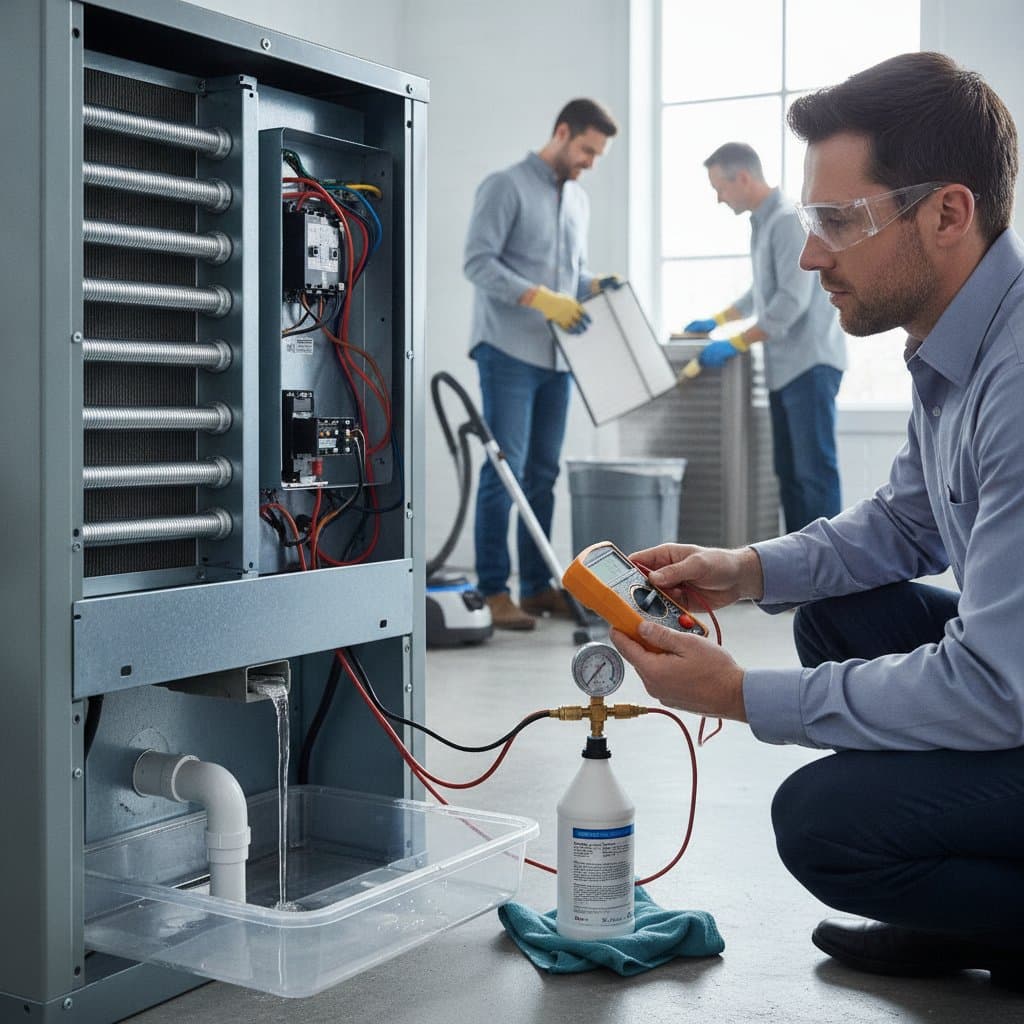
Greywater systems demand periodic attention to maintain efficiency. Seasonal inspections prevent common issues like clogs from lint or sediment buildup.
Essential Maintenance Tasks:
- Clean filters every three months to ensure proper flow.
- Flush irrigation lines biannually to remove debris.
- Check valves for leaks or corrosion during routine reviews.
- Replace flexible tubing every five to ten years based on usage.
- Test backup overflow mechanisms annually for reliable drainage.
Allocate $100 to $200 yearly for supplies. Schedule professional inspections every two to three years, particularly for intricate systems. Consistent care extends system life and preserves rebate benefits.
Taking Action: Implementation Guide
Commit to this upgrade by first verifying local rebate details online. Contact approved vendors for consultations and obtain multiple quotes.
Review permitting requirements and procure materials in advance. Account for potential plumbing adjustments in your timeline, targeting two to four weeks for most projects.
After installation, monitor water bills for initial reductions. Many owners observe usage drops within the first billing cycle. The system recoups costs swiftly, delivering ongoing savings and a marketable sustainability feature.
This investment yields environmental gains, economic returns, and enhanced living quality. Greywater adoption supports community water security while elevating individual property assets.