2026 Solar Shingles ROI: Tesla vs GAF vs CertainTeed
Home renovation projects face increased costs in 2025 due to material shortages, and solar shingles follow this trend. These integrated systems replace traditional roofing while generating renewable energy, offering substantial long-term financial benefits. The key challenge lies in selecting the brand that aligns with specific needs for optimal return on investment among Tesla, GAF, and CertainTeed.
Fundamentals of Solar Shingles and ROI
Solar shingles integrate photovoltaic cells into durable roofing materials, providing protection from weather elements while producing electricity. This dual functionality reduces energy bills by 40 to 70 percent, depending on location and usage patterns. Initial expenses exceed those of separate solar panels and asphalt roofs, yet incentives and savings justify the investment over time.
Consider the following cost estimates for a typical 2,000-square-foot home:
- Tesla Solar Roof: Approximately $50,000, which includes removal of existing roofing and full installation.
- GAF Timberline Solar: Around $42,000 for comparable coverage, emphasizing affordability.
- CertainTeed Apollo II: Ranges from $55,000 to $68,000, influenced by roof pitch and complexity.
In contrast, a standard asphalt roof paired with standalone solar panels totals about $35,000. Solar shingles qualify for federal tax credits, often recovering 30 percent of costs immediately. Over 20 years, energy savings and rebates typically recoup 60 to 90 percent of the upfront outlay, with full payback achievable in under 15 years in favorable conditions.
To calculate personal ROI, homeowners should assess annual energy production based on roof orientation and local sunlight hours. Tools from certified installers provide customized projections, factoring in utility rates that average $0.13 per kilowatt-hour nationwide.
Installation Processes and Ongoing Maintenance
Successful installation demands precise coordination between roofing and electrical experts. Tesla employs proprietary certified crews, which ensures quality but may delay projects by several months due to high demand. GAF partners with a network of local roofing contractors, facilitating quicker scheduling and broader availability.
CertainTeed provides a middle ground, with approved installers available in most regions, though options dwindle in rural areas. All brands require structural evaluations to confirm roof load capacity, typically adding $500 to $1,000 in preparatory assessments.
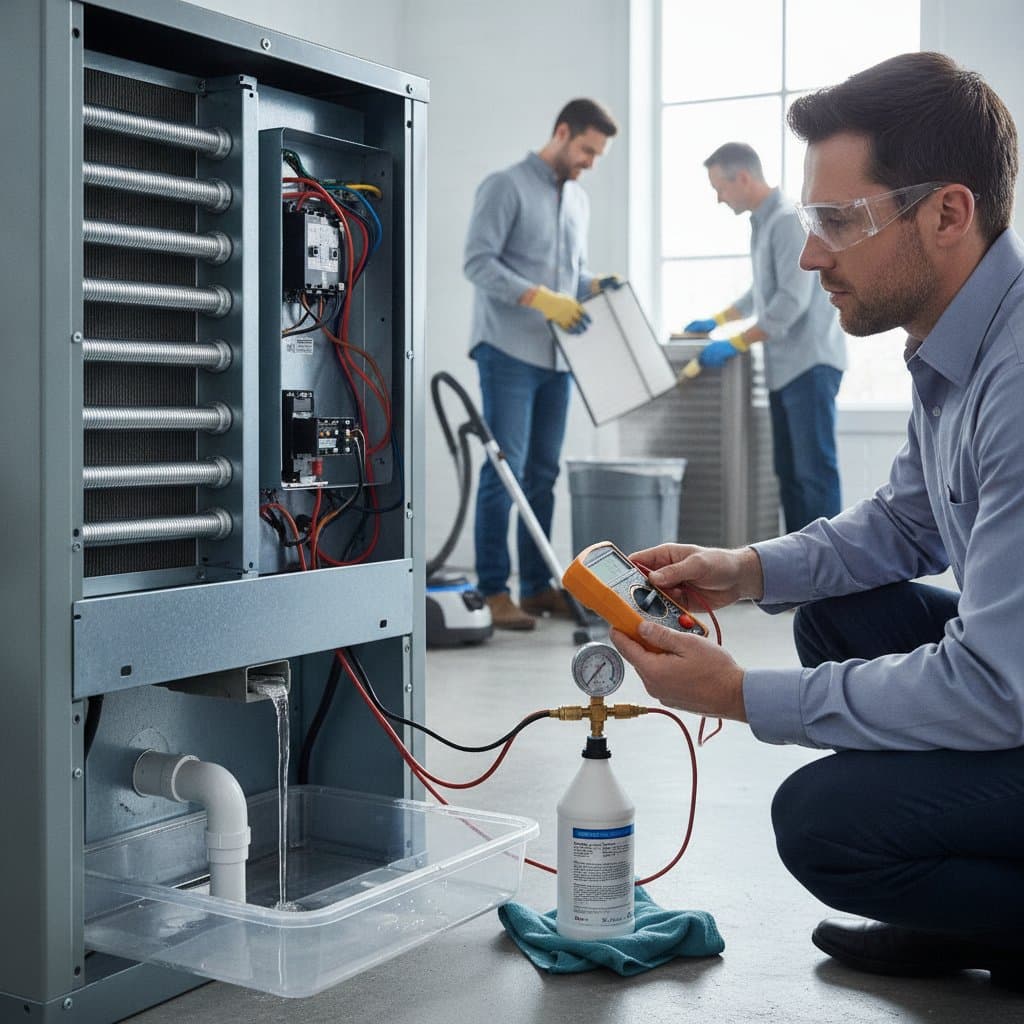
Maintenance remains straightforward across options, focusing on periodic checks to preserve performance. Annual inspections, priced at $200 to $300, verify the integrity of seals, wiring, and connections. Tesla repairs necessitate specialized parts and technicians, potentially increasing costs to $1,000 or more for isolated issues.
GAF systems blend seamlessly with conventional roofing, allowing general contractors to address minor damages affordably. CertainTeed's modular design enables targeted replacements of individual shingles, minimizing disruption and expenses. Warranties span 25 years for power output and materials, but adherence to maintenance schedules prevents coverage lapses.
Homeowners benefit from monitoring apps provided by each brand, which track energy generation and alert to potential faults. Regular cleaning of debris ensures optimal efficiency, especially in areas prone to leaves or snow accumulation.
Efficiency Ratings, Payback Timelines, and Regional Factors
Efficiency determines how effectively shingles convert sunlight into usable power, directly impacting ROI. GAF achieves 22 percent efficiency, Tesla reaches 20 percent, and CertainTeed delivers 19 percent. Higher ratings prove advantageous on space-constrained roofs, maximizing output per square foot.
Payback periods vary by climate: in high-sunshine states like California or Arizona, systems recoup costs in 9 to 12 years through bill reductions of $1,500 to $2,500 annually. Cloudier regions, such as the Pacific Northwest, extend this to 14 years, yet net savings still exceed $40,000 over the system's lifespan.
Local incentives accelerate returns. State rebates range from $2,000 to $4,000 for integrated solar installations, alongside the federal investment tax credit. These reductions lower effective costs by 25 to 35 percent, compressing payback timelines significantly.
Performance data from recent installations highlights Tesla's edge in seamless aesthetics, ideal for modern homes, while GAF excels in cost-effective energy yield. CertainTeed suits varied roof designs, offering scalability for expansions. Homeowners in hurricane-prone areas should prioritize brands with enhanced wind resistance ratings up to 130 miles per hour.
Steps to Select and Install Solar Shingles
Timing installation with a roof replacement avoids duplicate labor costs. Begin by consulting a structural engineer to evaluate current roof condition and solar potential. Obtain quotes from at least three certified providers, requesting detailed breakdowns of costs, timelines, and projected savings.
Compare proposals using a simple spreadsheet: list upfront expenses, incentive adjustments, annual energy output, and 25-year savings. Verify installer credentials through manufacturer directories to ensure warranty validity.
GAF stands out for balanced value, with competitive pricing and rapid deployment suitable for most budgets. Tesla appeals to those seeking innovative design integration, despite longer waits. CertainTeed provides versatility for custom configurations, particularly on irregular roofs.
Post-installation, integrate the system with home energy management for real-time insights. This upgrade not only lowers utility dependence but also enhances property value by up to 4 percent, according to industry assessments.
Long-Term Benefits and Strategic Considerations
Solar shingles deliver enduring advantages beyond financial returns, including reduced carbon emissions equivalent to planting 100 trees annually per household. Energy independence shields against rising utility rates, projected to increase 3 percent yearly.
Strategic planning ensures sustained performance: position roofs south-facing for peak exposure and pair with battery storage for evening use, adding $10,000 but boosting savings by 20 percent. Regular financing options, such as 0 percent loans over 20 years, make adoption accessible without straining cash flow.
Ultimately, informed selection transforms a roof into a revenue-generating asset, securing financial and environmental gains for decades.