Understanding Multigenerational Remodel Costs in 2026
Homeowners embarking on a multigenerational remodel seek to foster shared living arrangements that accommodate diverse family needs. Such projects often involve integrating spaces for aging parents, supporting young adults, or enhancing overall family connectivity. This type of renovation represents a significant commitment to long-term comfort and familial bonds, yet it requires careful financial planning to mitigate unexpected expenses.
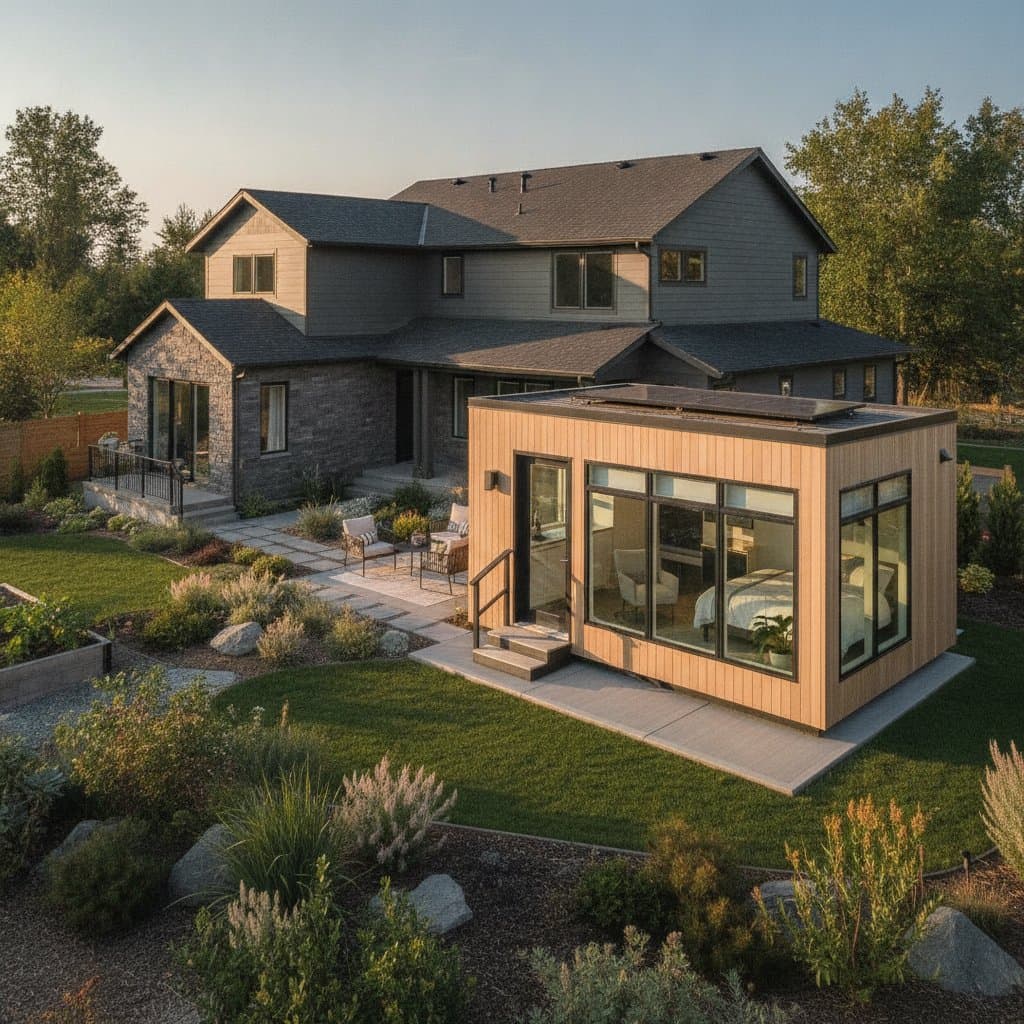
Multigenerational remodels differ substantially in scale and investment. Basic adaptations, such as converting an attic into a private suite, typically range from $40,000 to $80,000. More ambitious endeavors, like constructing a detached accessory dwelling unit with its own utilities, may exceed $250,000. These variations stem from project dimensions, desired autonomy for living areas, and selected building materials.
This resource outlines essential elements to inform your decisions:
- Typical price brackets for various remodel configurations
- Primary influences on expenditure levels
- Strategies to optimize budgets without sacrificing quality
- Guidelines for delegating tasks between self-managed and expert-led efforts
- Assessments of enduring benefits from the renovation
Readers will gain a solid foundation for budgeting and executing a remodel that aligns with family dynamics and fiscal realities.
Key Factors Shaping Remodel Expenses
Design and Layout Complexity
Structural modifications elevate costs due to increased labor and material demands. Relocating load-bearing walls demands engineering assessments and reinforcements, often adding $10,000 to $20,000. Extending footprints or integrating separate living quarters requires foundational work and compliance with zoning laws, pushing totals higher.
Opt for layouts that repurpose existing structures to contain expenses. For example, transforming a garage into a self-contained unit avoids major excavation while providing essential privacy.
Material and Finish Selections
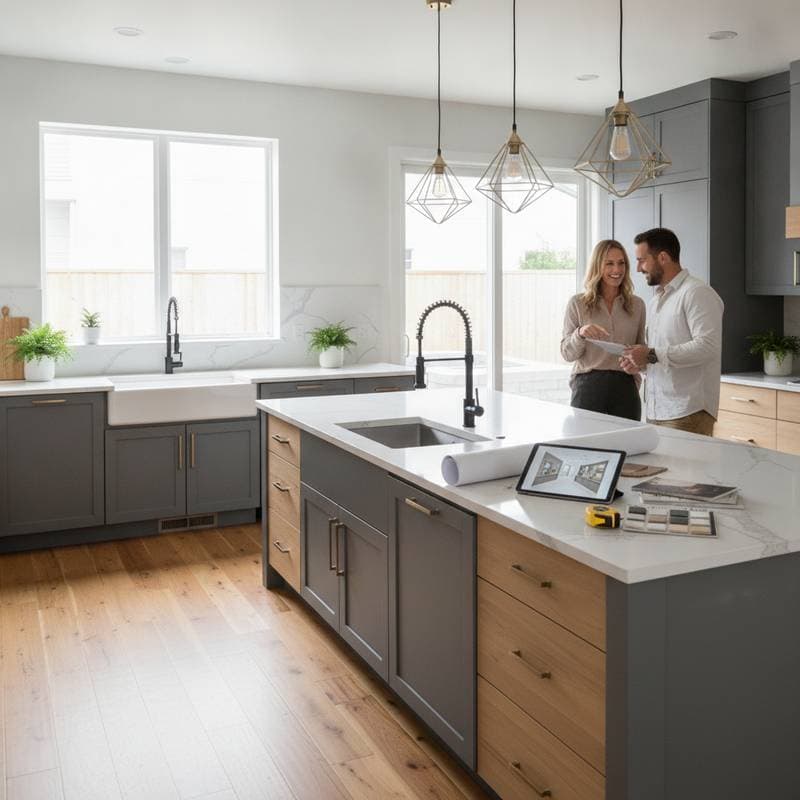
Premium options accelerate budget depletion; select durable, cost-effective alternatives to maintain aesthetics and functionality. Quartz countertops, priced at $50 to $100 per square foot installed, offer elegance comparable to granite at a fraction of the cost.
Prioritize investments in intergenerational essentials, such as vinyl plank flooring with slip-resistant properties ($3 to $7 per square foot) or adjustable-height vanities for accessibility. These choices enhance safety across age groups without excessive outlays.
Utility System Enhancements
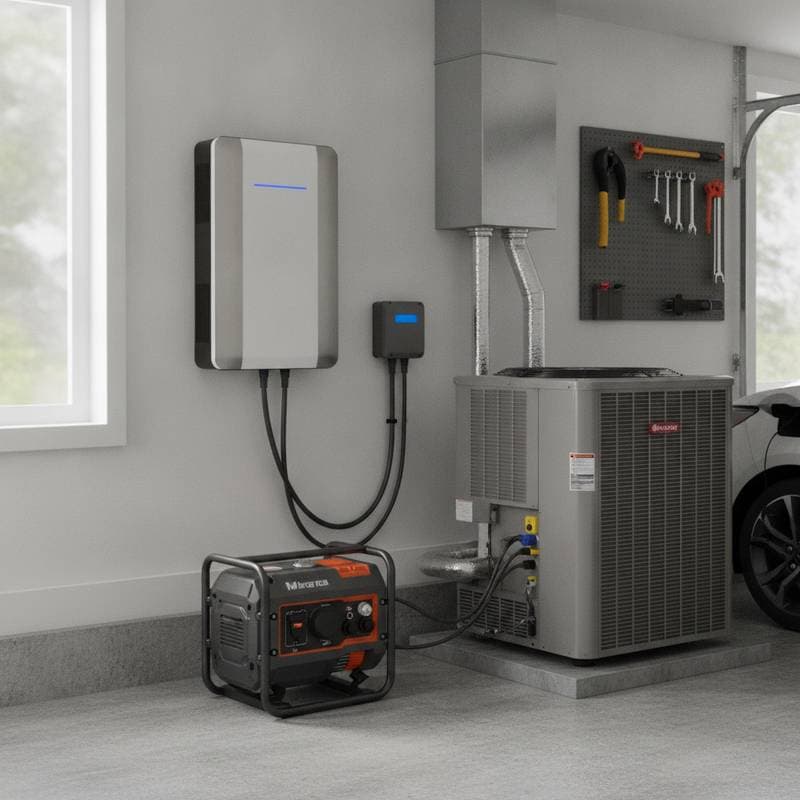
Aging properties frequently require infrastructure overhauls to support additional bathrooms, kitchens, or appliances. Upgrading electrical panels to 200 amps costs $2,000 to $4,000, ensuring capacity for multiple households.
Plumbing expansions, including new water heaters and drainage lines, range from $5,000 to $15,000 depending on home age and layout. Conduct a professional audit early to identify necessities and prevent code violations.
Permitting and Regulatory Compliance
Local authorities impose fees that can represent 1% to 3% of total project costs, with structural additions incurring higher scrutiny. In urban areas, environmental impact reviews may add $1,000 to $5,000.
Engage with building departments during planning phases to secure approvals efficiently. Adhering to codes not only safeguards occupants but also preserves property equity for future transactions.
Labor and Expertise Costs
Professionals command rates varying by region and specialization; general contractors charge $50 to $150 per hour, while architects bill $100 to $250 hourly for custom designs. Regional differences amplify this: coastal markets exceed inland figures by 20% to 30%.
Invest in vetted teams to avert costly rework. A preliminary consultation with a structural engineer ($500 to $1,500) can reveal potential issues, saving thousands in downstream corrections.
Balancing DIY Efforts with Professional Expertise
Tasks Suitable for Homeowners
Certain non-structural elements lend themselves to personal involvement, yielding savings of 20% to 40% on those portions:
- Applying fresh coats of paint to walls and cabinetry, using low-VOC formulas for health-conscious environments
- Mounting organizational systems in closets or storage areas with basic tools
- Assembling prefabricated cabinet units or built-in shelving kits
- Enhancing exterior access points through simple landscaping, such as installing pathways with permeable pavers
These activities empower participants while personalizing the space.
Essential Professional Interventions
Delegate high-risk components to certified specialists to ensure compliance and durability. Electrical installations, including wiring for smart home features, demand licensed electricians to avoid fire hazards.
Plumbing integrations and any alterations to load-bearing elements require permits and inspections. For roof-integrated additions or HVAC extensions, structural engineers and licensed builders provide indispensable oversight.
Enduring Benefits of Multigenerational Investments
Beyond initial utility, these remodels deliver sustained advantages that justify the expenditure.
Enhanced Property Appreciation
Adaptable designs attract diverse buyers, potentially increasing resale values by 10% to 15%. Features like universal design elements appeal to empty-nesters, growing families, and investors seeking rental potential.
Market data indicates that homes with in-law suites command premiums in competitive regions, reflecting demand for flexible living options.
Streamlined Household Economics
Consolidated living reduces duplicate expenses on utilities and upkeep. Families report annual savings of $5,000 to $10,000 through shared resources, offsetting remodel costs within 5 to 10 years.
Bulk purchasing for maintenance and energy-efficient upgrades further amplify efficiencies.
Adaptable Space Utilization
Versatile configurations evolve with life stages. A ground-level suite for elders converts easily to a home office or student lodging, extending the renovation's relevance.
Incorporate modular walls or reconfigurable furniture to facilitate transitions without additional investments.
Integrating Safety and Accessibility Features
Effective multigenerational designs emphasize inclusive elements that promote autonomy and reduce injury risks:
- Ramped or level entryways paired with textured, non-slip surfaces
- Hallways expanded to 36 inches minimum for wheelchair navigation
- Ergonomic hardware, including lever handles and sensor-activated fixtures
- Strategic illumination with motion-sensor lights in circulation areas
- Pre-reinforced bathroom walls for secure grab bar placements
These integrations, often adding just 5% to 10% of the budget, foster equitable living environments.
Practical Strategies for Project Execution
Securing Competitive Quotes
Solicit proposals from no fewer than three qualified contractors, evaluating beyond price to include timelines, references from similar projects, and comprehensive warranties. Request itemized breakdowns to identify value alignments.
Maintaining Comprehensive Records
Archive all blueprints, agreements, approvals, and invoices systematically. Digital tools or binders facilitate quick access for insurance claims or property transfers.
Fostering Balanced Privacy
Incorporate acoustic barriers, dedicated HVAC zones, and individual entry points to delineate personal spaces. Smart locks and app-controlled lighting enhance control without compromising unity.
Anticipating Evolving Requirements
Design with modularity in mind, selecting scalable systems like expandable kitchens or multi-purpose rooms. Consult family members on projections to ensure longevity.
Realizing Your Vision
Undertaking a multigenerational remodel merges fiscal prudence with relational priorities. This endeavor expands physical boundaries while nurturing intergenerational harmony and self-sufficiency. Through diligent cost analysis, strategic partnerships, and forward-thinking choices, homeowners craft enduring legacies of shared prosperity.