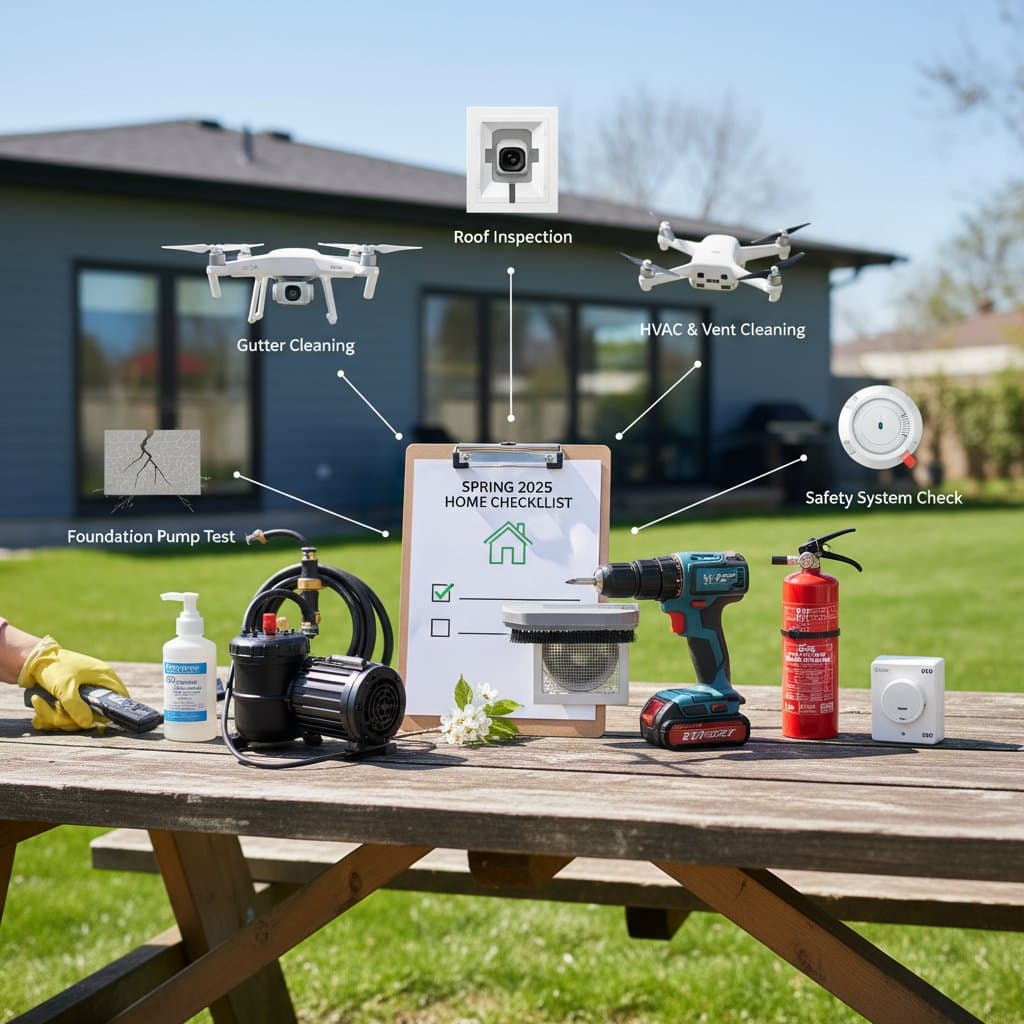
Essential Spring Maintenance to Avoid $10,000 Repairs
Homeowners often face unexpected expenses from neglected seasonal upkeep. Regular spring maintenance addresses wear from winter and prepares the property for warmer months. This guide outlines seven critical tasks that protect against major damage, potentially saving thousands in future costs.
Focus on areas prone to water intrusion, structural stress, and system failures. Each task includes practical steps, estimated costs, and difficulty levels. Implement these now to ensure your home remains secure and efficient.
1. Inspect the Roof for Damage
Winter storms and ice can compromise roof integrity, leading to leaks that escalate into extensive repairs. Begin by examining shingles for cracks, missing pieces, or curling edges. Use binoculars from the ground to avoid risks, and check flashing around chimneys and vents for rust or gaps.
Materials: Ladder (if needed, $100), binoculars ($20)
DIY difficulty: 2 out of 5
Professional cost: $200 - $500 for full inspection
Action: Clear debris from gutters while assessing the roof. Schedule professional repairs if damage exceeds minor patching, as untreated issues can result in $5,000 or more in water damage.
2. Clean and Seal the Deck
Outdoor decks endure harsh weather, causing wood to rot or splinter if not maintained. Inspect posts, joists, and fasteners for signs of decay or loose connections. Test the surface by sprinkling water; if it absorbs rather than beads, resealing becomes necessary.
Materials: Deck cleaner ($25), sealant ($40)
DIY difficulty: 3 out of 5
Professional cost: $300 - $800 for cleaning and sealing
Action: Apply cleaner with a stiff brush, rinse thoroughly, and seal with a weatherproof product. This step prevents moisture penetration that could lead to replacement costs exceeding $10,000 for a full deck rebuild.
3. Service the HVAC System
Heating and cooling units work overtime through seasons, accumulating dust that reduces efficiency and strains components. Replace air filters and inspect ducts for leaks or blockages. Run the system briefly to listen for unusual noises indicating motor issues.
Materials: Replacement filters ($15 each), basic tools ($20)
DIY difficulty: 2 out of 5
Professional cost: $150 - $400 for tune-up
Action: Clean outdoor coils and schedule an annual professional tune-up. Efficient HVAC operation avoids breakdowns that might cost $3,000 to $7,000 in emergency replacements.
4. Test and Clean the Sump Pump
Basement flooding from heavy spring rains poses a severe threat to foundations and interiors. Locate the sump pump in the basement and pour water into the pit to verify activation. Clean the pit and pump intake to remove sediment buildup.
Materials: Bucket, hose ($10)
DIY difficulty: 1 out of 5
Professional cost: $100 - $250 for inspection and service
Action: Test the backup battery if equipped, and replace the unit if it fails to operate. A malfunctioning sump pump can cause $10,000 in flood damage, making this test essential.
5. Clean Gutters and Downspouts
Clogged gutters direct water toward foundations, eroding soil and cracking walls over time. Climb a ladder to remove leaves, twigs, and debris from gutters and ensure downspouts route water away from the house. Inspect for loose brackets or rust.
Materials: Ladder ($100), gloves ($10), scoop tool ($15)
DIY difficulty: 3 out of 5
Professional cost: $150 - $300 for full cleaning
Action: Flush systems with a hose after clearing. Proper drainage prevents foundation repairs that often exceed $5,000.
6. Examine the Foundation and Exterior Walls
Freeze-thaw cycles create cracks in concrete foundations and siding. Walk the perimeter to identify hairline fractures, bulging, or settling. Check for vegetation overgrowth that traps moisture against walls.
Materials: Flashlight, caulk ($10)
DIY difficulty: 2 out of 5
Professional cost: $200 - $600 for structural assessment
Action: Seal minor cracks with concrete caulk and trim plants away from the base. Early intervention avoids costly stabilization work reaching $15,000.
7. Inspect Plumbing for Leaks and Insulation
Winter cold snaps can burst pipes, and spring thaws reveal hidden issues. Turn off water and check under sinks, around toilets, and in the basement for drips or corrosion. Ensure pipes in unheated areas remain insulated.
Materials: Pipe insulation ($20), leak detector ($15)
DIY difficulty: 2 out of 5
Professional cost: $150 - $400 for leak detection
Action: Tighten fittings and add insulation where needed. Undetected leaks lead to mold and structural damage costing over $10,000 to remediate.
Secure Your Home's Future with Proactive Steps
Completing these maintenance tasks requires investment in time and modest funds, yet yields substantial returns through avoided crises. Your home stands as a significant asset, and diligent care enhances its durability and market appeal. Consult local experts for personalized assessments to tailor these recommendations further.
Next step: Gather quotes from three trusted contractors to evaluate options. This approach ensures comprehensive protection and peace of mind year-round.