Understanding Permit Requirements for Home Projects
Home renovation projects vary in complexity, and understanding permit needs prevents legal issues. Most municipalities require permits for work that affects safety, such as electrical upgrades or structural changes. Cosmetic and minor repairs often fall outside these rules, allowing homeowners to proceed independently.
Local building codes evolve, so consult your city or county website for 2026 updates. For instance, projects under a certain value threshold, typically $500 to $1,000, may qualify as permit-exempt in many areas. Always verify specifics to ensure compliance and avoid fines that range from $100 to $5,000 per violation.
Projects That Typically Avoid Permits
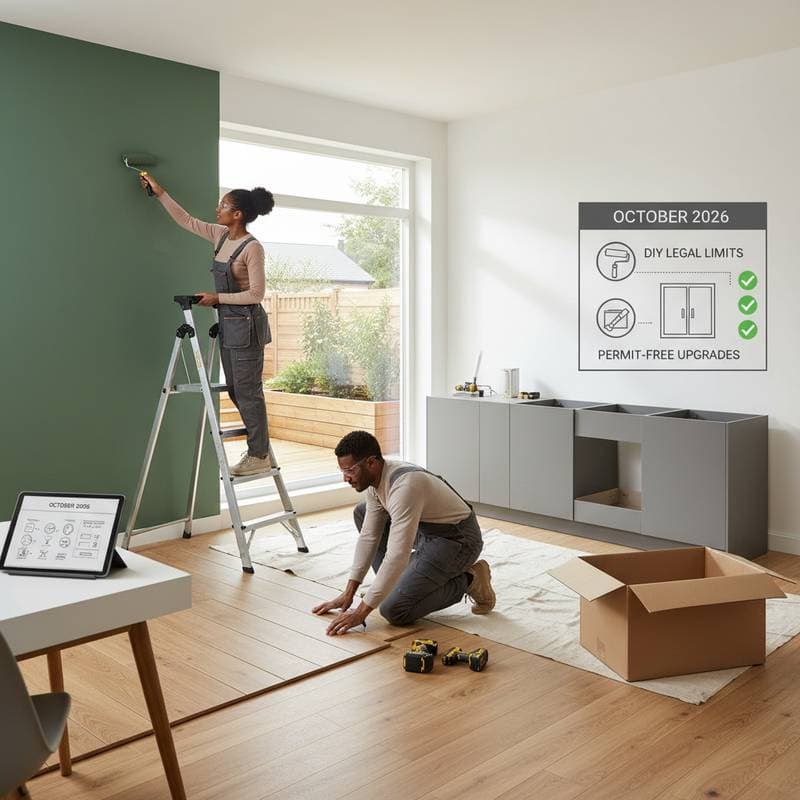
Several common renovations permit no oversight, provided they remain superficial. Painting interiors and exteriors tops the list, as it involves no structural alterations. Select low-VOC paints for health benefits, and prepare surfaces by cleaning and priming to achieve professional results.
Flooring replacements offer another accessible option. Vinyl plank or laminate installations suit DIYers, with costs averaging $2 to $5 per square foot for materials. Measure rooms accurately, use underlayment for noise reduction, and follow manufacturer guidelines to prevent buckling.
Cabinet hardware updates and minor kitchen tweaks also qualify. Swap knobs and pulls on existing cabinets for under $200, or refinish surfaces with gel stains that require no sanding. These changes refresh spaces without plumbing or electrical involvement.
Outdoor projects like landscaping and deck staining provide seasonal opportunities. Plant native shrubs or install mulch paths, keeping costs below $500 for small yards. Stain existing decks annually to protect wood, applying two coats in dry weather for longevity.
Safety Considerations in DIY Work
Even permit-free projects demand caution to protect yourself and your property. Use personal protective equipment, including gloves, goggles, and masks, especially during sanding or painting. Secure ladders on stable ground and work with a partner for overhead tasks.
Test materials for allergies or fumes before full application. For flooring, ensure subfloors remain level to avoid trips. In outdoor settings, check for underground utilities by calling 811 before digging, even for shallow beds.
When projects approach technical boundaries, assess your skills honestly. If installing new lighting fixtures, confirm they connect to existing wiring without modifications. Doubt arises? Schedule a professional consultation to review plans and confirm permit status.
Planning and Cost Management Strategies
Effective planning maximizes DIY success and minimizes expenses. Create a detailed timeline, allocating weekends for labor-intensive steps like flooring layout. Source materials from local suppliers during sales, potentially reducing costs by 10 to 20 percent.
Budget for tools if needed; a basic kit with a drill, level, and utility knife covers most projects under $150. Track expenses in a spreadsheet to stay within limits, and factor in disposal fees for old materials, which average $50 per load.
Weather influences exterior work, so monitor forecasts for optimal conditions. Ideal temperatures between 50 and 85 degrees Fahrenheit ensure adhesives set properly. Stockpile supplies in advance to avoid delays from supply chain disruptions common in 2026.
Enhancing Long-Term Home Value
Strategic DIY renovations contribute to property appreciation without regulatory hurdles. Focus on high-impact areas like kitchens and entryways, where updates yield returns of 50 to 70 percent on investment. Document before-and-after photos for personal records and potential resale portfolios.
Regular maintenance through small projects preserves curb appeal. Refresh mulch annually or repaint trim every three years to signal care to buyers. These efforts compound over time, increasing marketability in competitive 2026 housing landscapes.
Balance ambition with realism; completed projects build skills for future endeavors. Consult resources like home improvement guides for techniques, and join online communities for tips from experienced DIYers. Your home evolves as a reflection of thoughtful, legal enhancements.