Spot Roof Damage Early with Spring DIY Drones
Home renovation projects across the country continue to increase in cost, with roofing repairs leading the trend. Factors such as rising material tariffs and erratic weather patterns make early detection of roof issues essential for safeguarding investments. Early identification prevents minor problems from escalating into major expenses. For instance, a single drone inspection revealed small cracks in shingles, loose flashing, and clogged valleys on one homeowner's roof, allowing targeted maintenance before leaks developed.
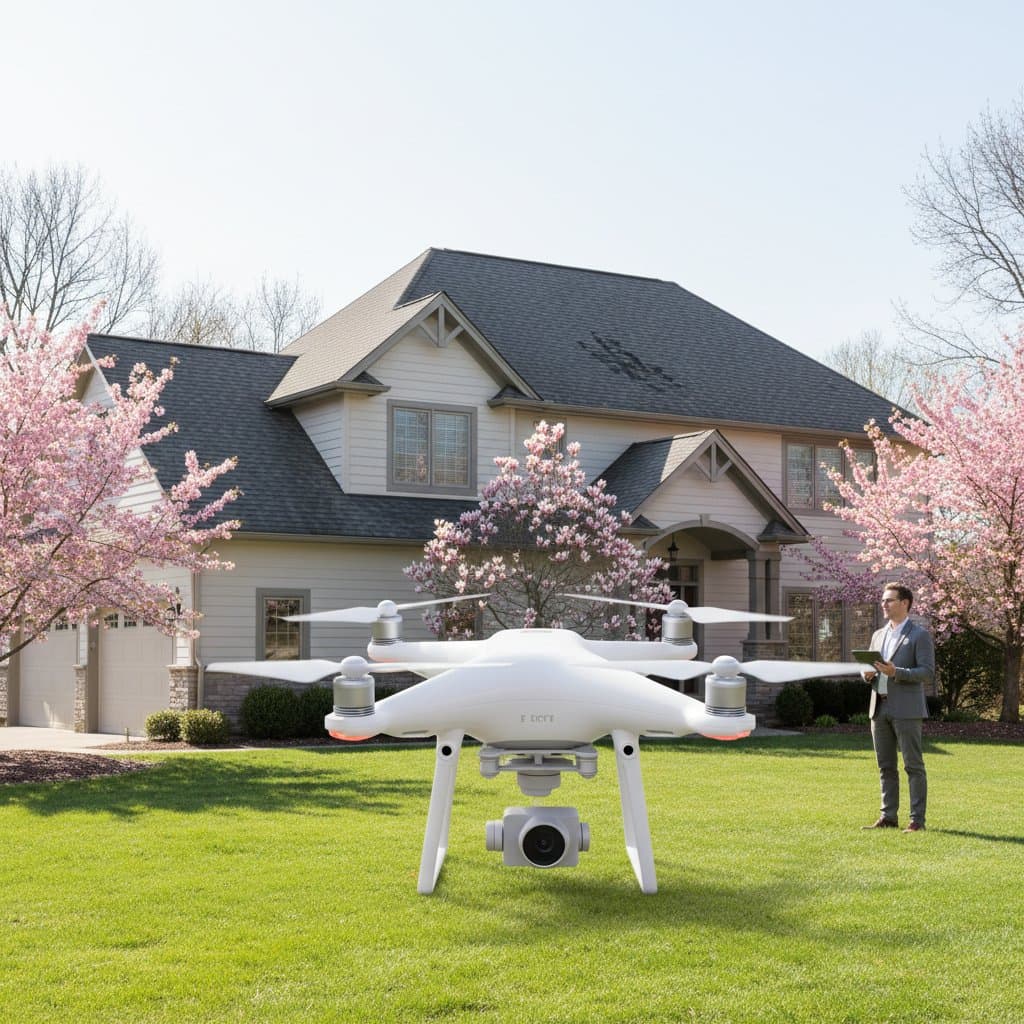
Spring offers an optimal window for assessing winter damage. Modern consumer drones equipped with high-resolution cameras and stable flight controls enable homeowners to conduct thorough inspections from the ground level. The following sections outline a structured approach to performing these inspections effectively.
Why Spring Drone Inspections Matter
Thawing ice, heavy rains, and strong winds in spring often reveal vulnerabilities in roofing materials. Delaying inspections until summer storms cause visible leaks limits options to minor repairs. Proactive checks in spring facilitate scheduling with contractors during periods of lower demand and before seasonal price surges.
Supply chain disruptions have extended lead times for roofing materials and labor. Early detection provides a strategic advantage, allowing homeowners to obtain competitive quotes ahead of peak seasons. A DIY drone inspection empowers individuals to act decisively and economically.
Preparing for Your Drone Inspection
Step 1: Select and Set Up Equipment
Choose a drone suitable for residential use, featuring at least a 12-megapixel camera and obstacle avoidance sensors. Affordable models under $300 suffice for basic roof assessments. Charge batteries fully and calibrate the drone in an open area away from obstructions before launch.
Review the manufacturer's guidelines for safe operation. Install any required apps on a compatible smartphone or tablet for real-time viewing. Test flight controls in a clear space to ensure familiarity with navigation.
Step 2: Plan Your Flight Path
A systematic flight prevents gaps in coverage and ensures optimal image quality. Select a calm day with overcast skies to minimize glare and shadows.
- Fly in a grid pattern, progressing from one roof edge to the opposite side while overlapping paths by 20 percent.
- Maintain an altitude of 20 to 30 feet above the roof for detailed views without distortion.
- Prioritize high-risk zones, including valleys, flashing around chimneys, vents, skylights, and gutters.
Capture multiple still images and a continuous video pass. Review footage immediately on-site to confirm completeness, then analyze details later using built-in zoom functions.
Costs and Market Insights
Rising fuel costs and manufacturing delays have driven up roofing material prices. Asphalt shingles range from $120 to $160 per square, while metal options average $350 to $500 per square. An unchecked small leak can result in sheathing rot or compromised insulation, leading to repair bills of $2,000 to $6,000.
In contrast, a DIY drone inspection requires minimal investment. Professional services, if preferred, cost $200 to $400. Given ongoing supply uncertainties, early prevention through drone technology represents a prudent financial strategy.
Seasonal Inspection Framework
Incorporate drone checks into a year-round maintenance routine for sustained roof integrity. Spring inspections evaluate winter impacts comprehensively.
- Spring: Conduct a full scan for ice-related cracks and wind damage.
- Summer: Perform brief checks after storms to remove debris and assess shingle displacement.
- Fall: Inspect ahead of winter, focusing on gutter clearance and flashing security.
- Winter: Limit flights to emergencies, as low temperatures reduce battery efficiency.
This schedule integrates seamlessly with tasks like gutter cleaning and HVAC servicing, fostering proactive property care.
Safety and Regulatory Guidelines
Drones enhance inspection safety by eliminating ladder use, yet adherence to protocols remains crucial. Maintain visual line of sight at all times and avoid flights over crowds or roadways. Comply with local airspace rules, typically restricting operations below 400 feet in residential areas.
Steer clear of power lines and postpone flights in rain or high winds. Secure pets and children indoors during operations. In case of signal loss, allow the drone's auto-return feature to activate rather than pursuing the device manually.
Long-Term Benefits for Energy and Value
Regular roof maintenance optimizes insulation and minimizes energy loss. Addressing leaks promptly can cut energy waste by 5 to 10 percent, particularly through timely replacement of damp insulation. Over a decade, these efficiencies yield substantial utility savings.
From a market standpoint, records of annual drone inspections bolster buyer trust during sales. Such documentation highlights diligent upkeep, potentially elevating home value by 1 to 3 percent. This return often exceeds the initial drone purchase multiple times.
Building Confidence in Home Maintenance
Mastering drone inspections shifts perspective on property oversight. Homeowners gain visibility into subtle changes in shingles, flashing, and drainage systems that previously escaped notice until costly interventions arose. Integrate this tool into routines for empowered, cost-conscious stewardship of your home.