Why Mold Checks Are Now Standard Before Closing
Informed homebuyers recognize that hidden mold poses risks to health, finances, and well-being. Mold inspections have evolved into a standard precaution before closing deals.
Loading...
Showing articles 85 - 96 of 815
Informed homebuyers recognize that hidden mold poses risks to health, finances, and well-being. Mold inspections have evolved into a standard precaution before closing deals.
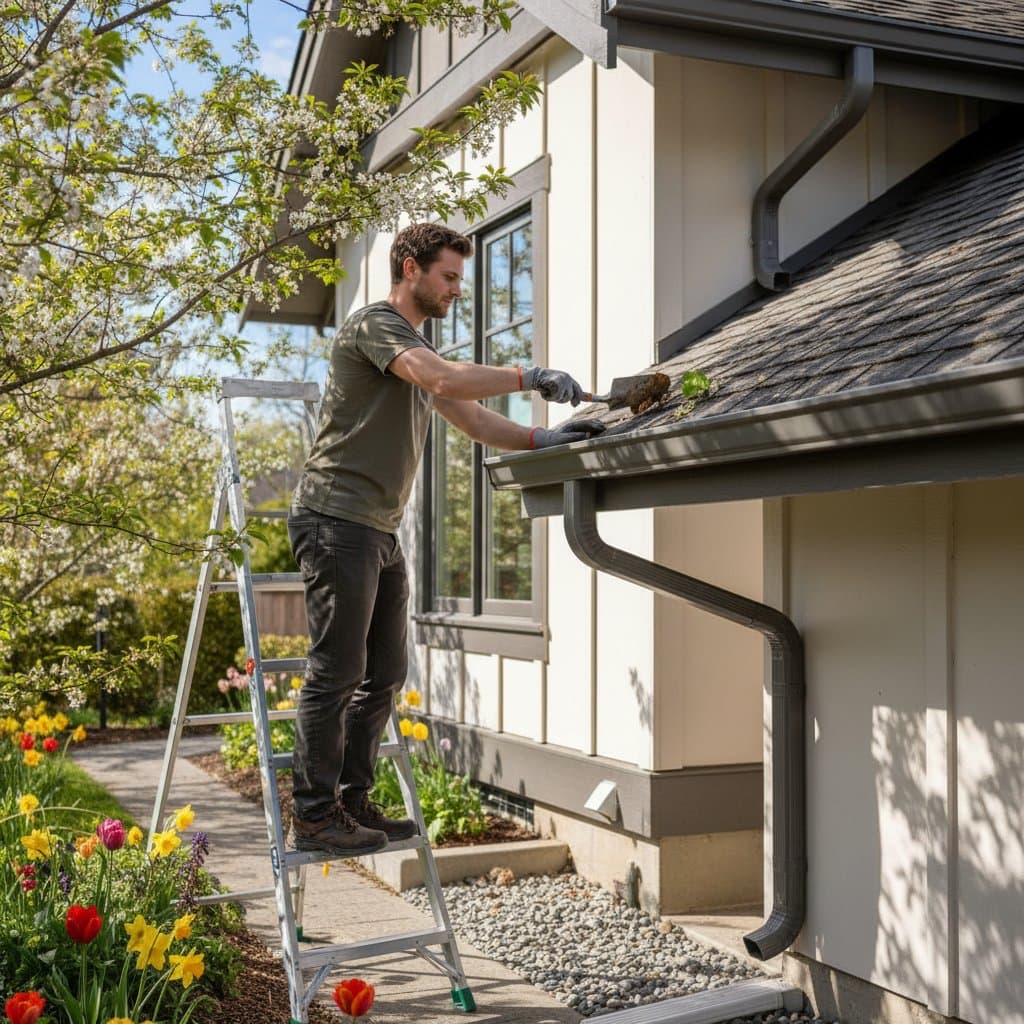
Spring roof inspections uncover concealed winter damage before small problems escalate into major expenses. Homeowners can prolong roof durability, boost energy efficiency, and uphold code standards by examining materials, ventilation, and regional weather impacts. This proactive step preserves structural strength, cuts future costs, and delivers reliable protection for your home's vital shield.
Living plant walls integrate aesthetic appeal with functional benefits, reducing HVAC energy consumption by up to 30 percent. These systems leverage evapotranspiration, shading, and insulation to manage temperature and air quality in various climates. Although installation presents challenges, the enduring savings, robustness, and wellness advantages position biophilic walls as a wise choice for energy-efficient, sustainable residential design.
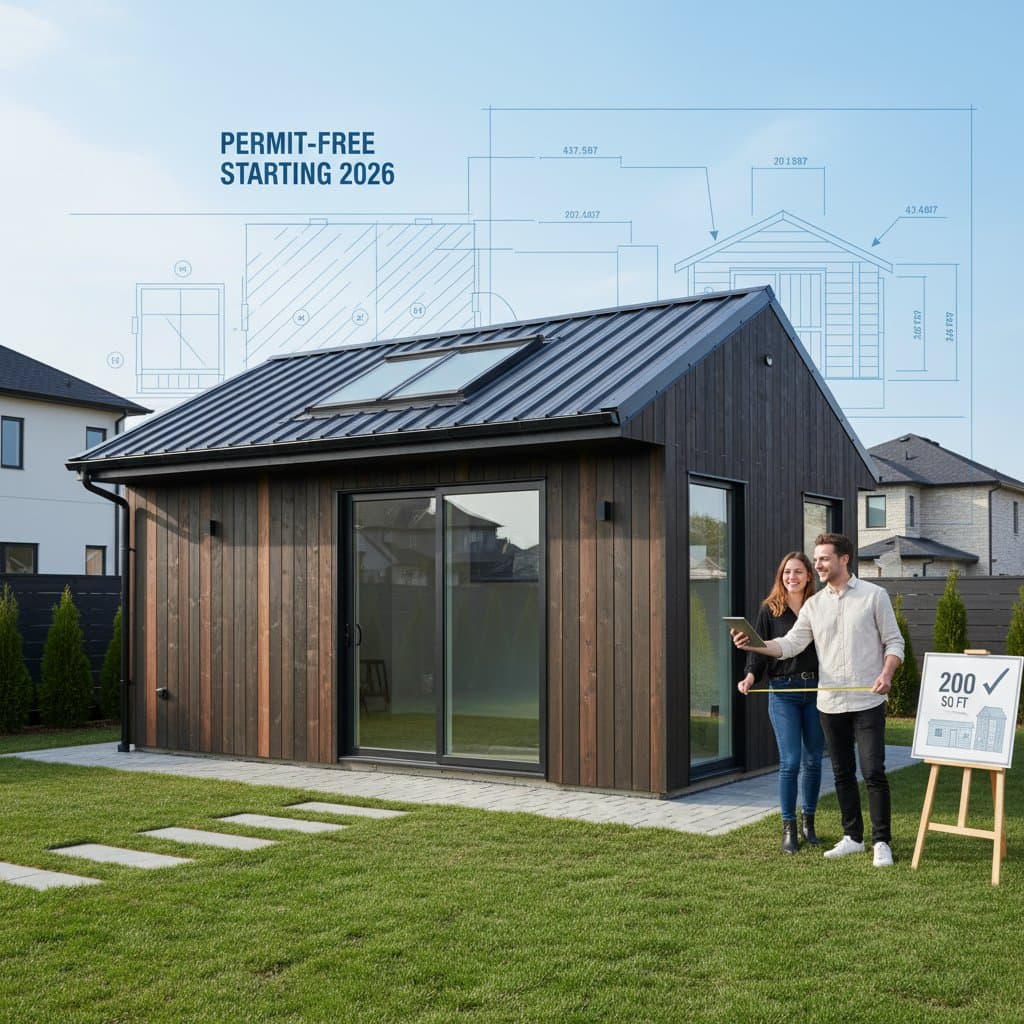
Granny flats in 2026 offer compelling financial and personal rewards. This analysis contrasts Airbnb revenue potential with family accommodation savings, highlighting ROI timelines, tax considerations, and lifestyle effects. Through precise planning, budgeting accuracy, and expert involvement, convert your backyard addition into a valuable asset that elevates property worth, adaptability, and long-term security.
Inflation will drive kitchen remodel costs up 20% by 2026, affecting materials, labor, and energy. Learn how regional factors, system-specific pressures, and proactive budgeting can help maintain quality and value in your project.
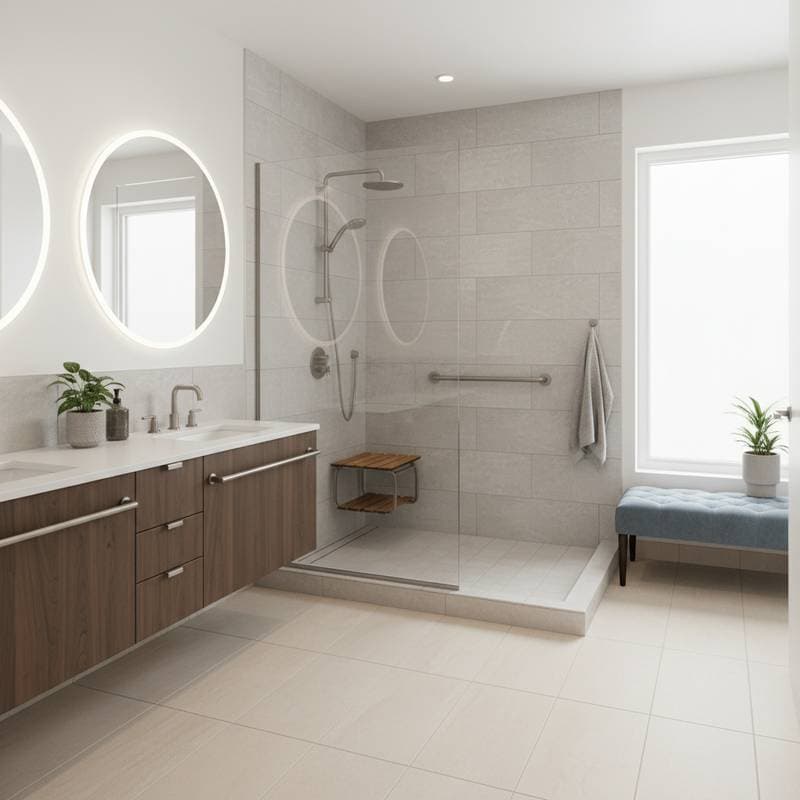
Zero-threshold showers revolutionize bathroom design for long-term living, merging accessibility with aesthetic appeal and financial benefits. As material costs rise and labor becomes scarce, strategic planning ensures a seamless upgrade. Discover budgeting essentials, material selections, and professional collaboration tips to build a secure, stylish space that supports comfort, safety, and property value through 2026.
Smart flood sensors revolutionize home protection through early leak detection, instant notifications, and automatic water shutoffs. With installation costs ranging from $150 to $800, these devices prevent extensive water damage, reduce insurance premiums, and enhance property value, positioning them as a wise investment for homeowners heading into 2026.
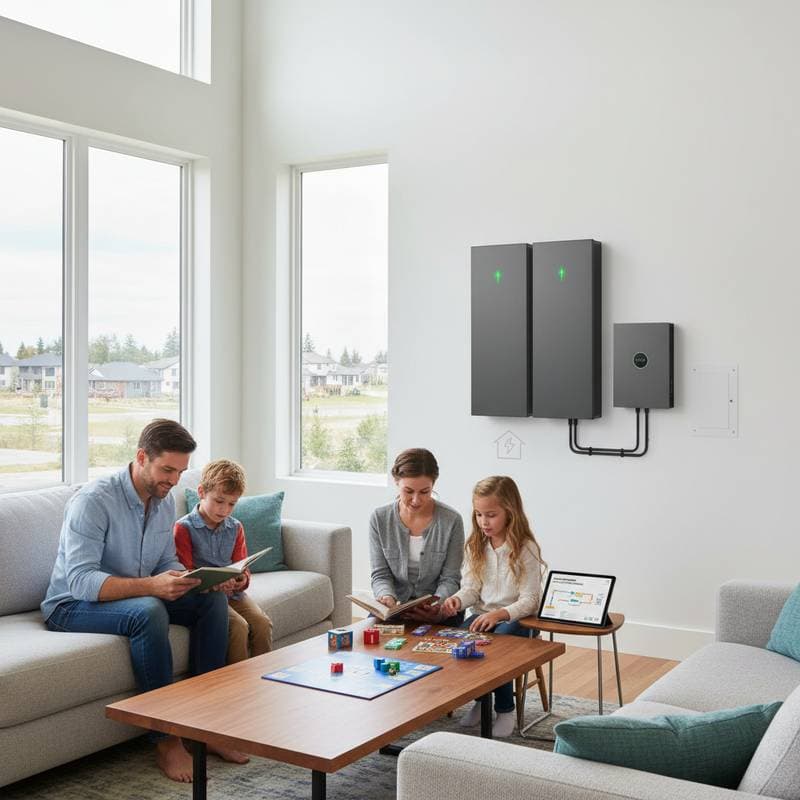
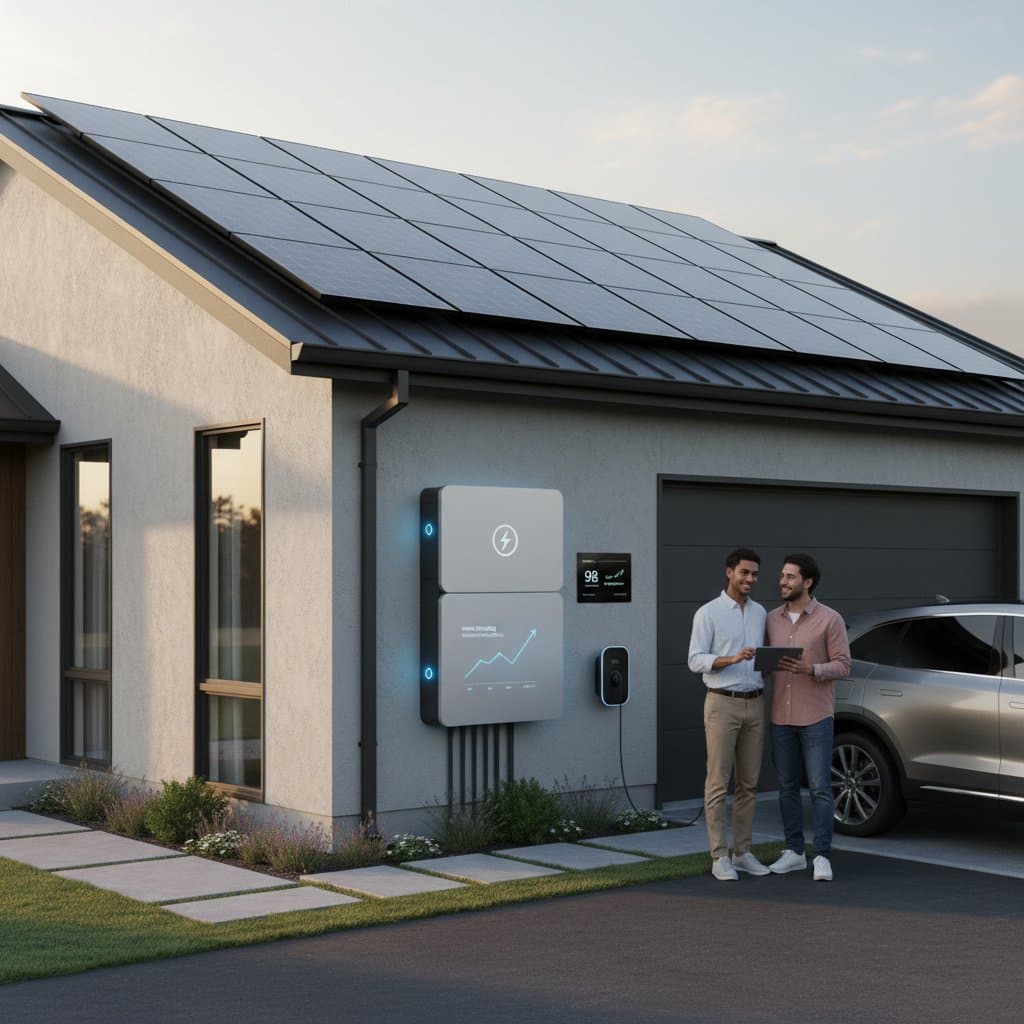
With rising power outages, whole-home battery backups provide silent reliability, lower energy costs, and increased property appeal. These systems integrate seamlessly with solar setups and attract sustainability-focused buyers. They offer financial benefits alongside essential security for energy-independent living.
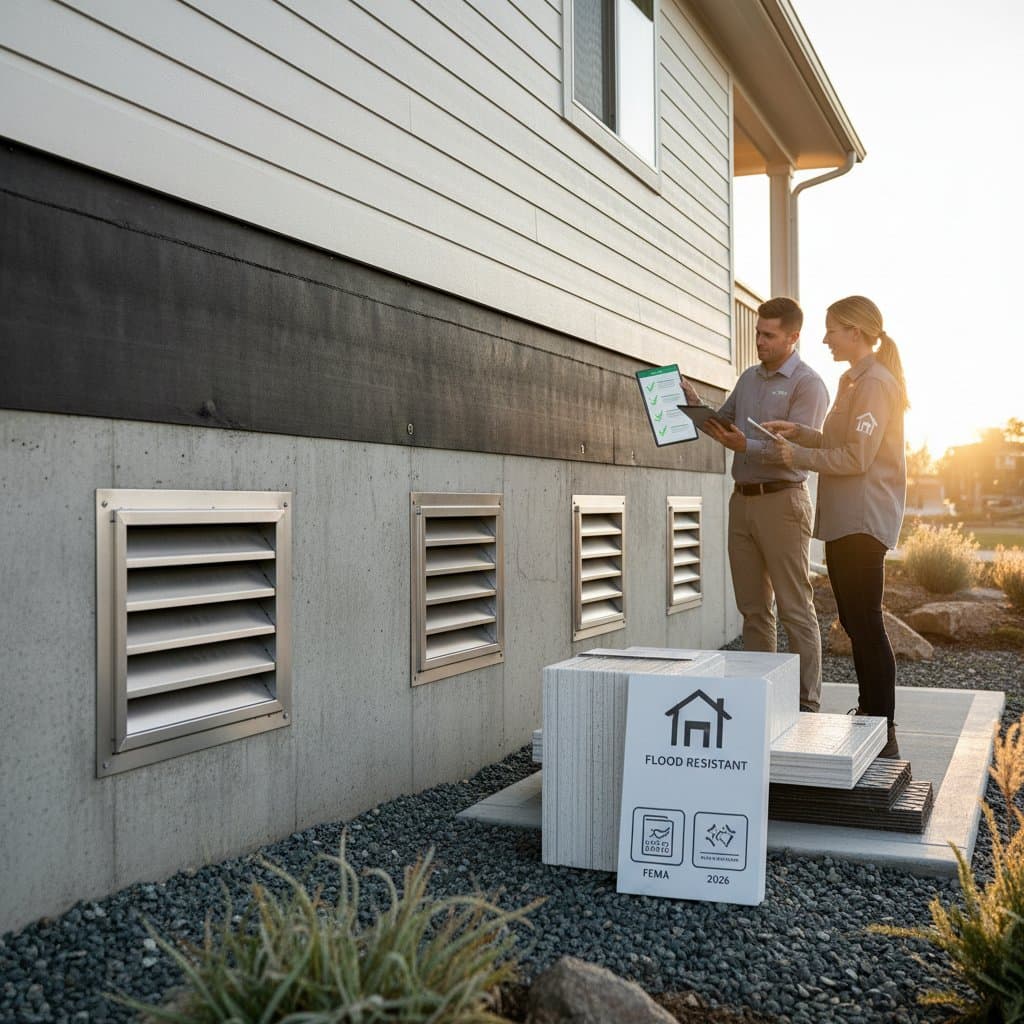
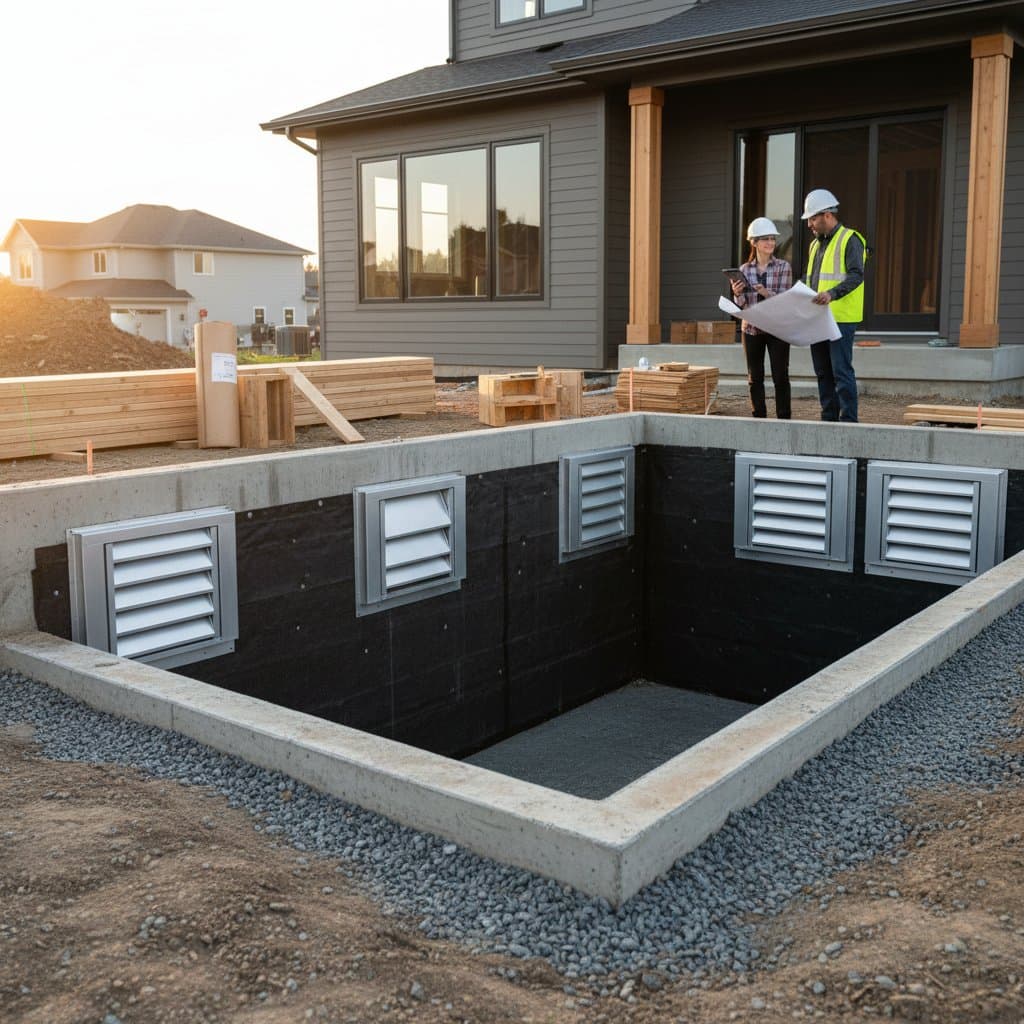
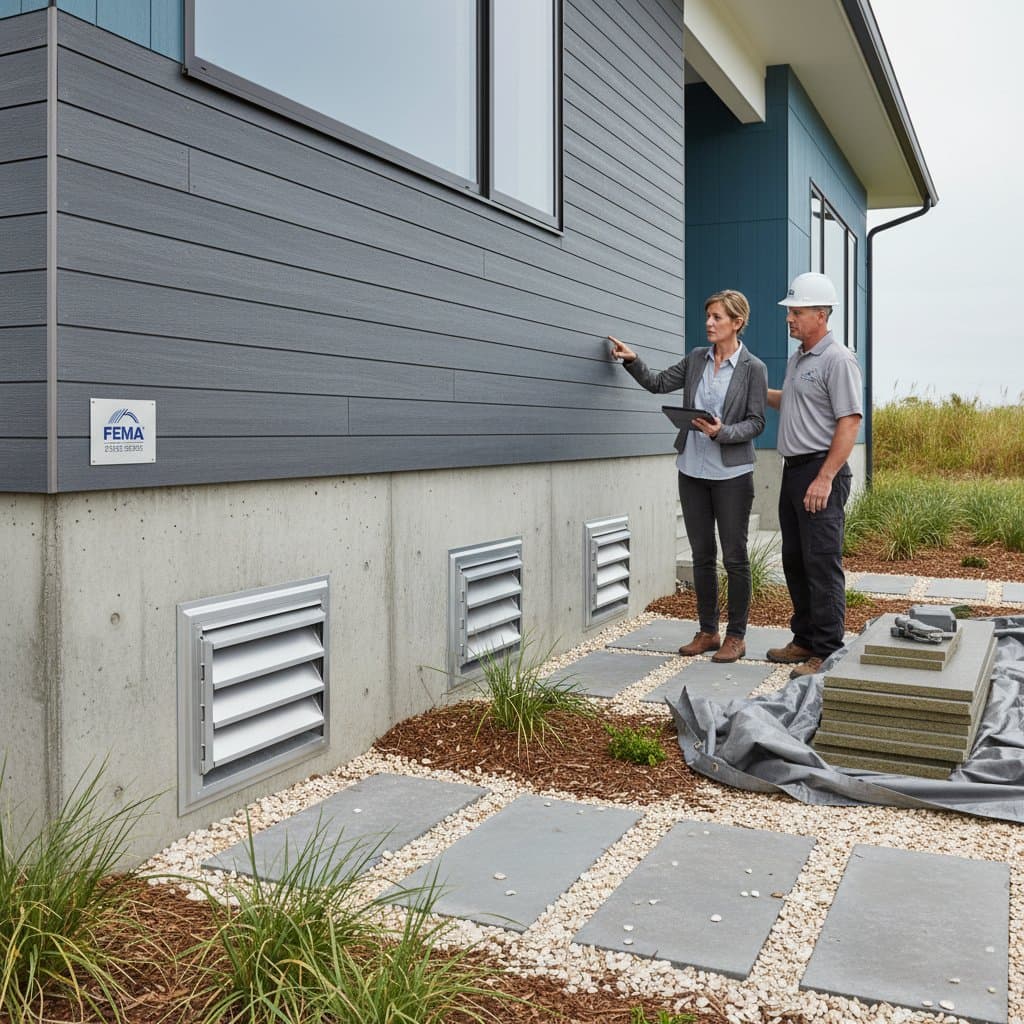
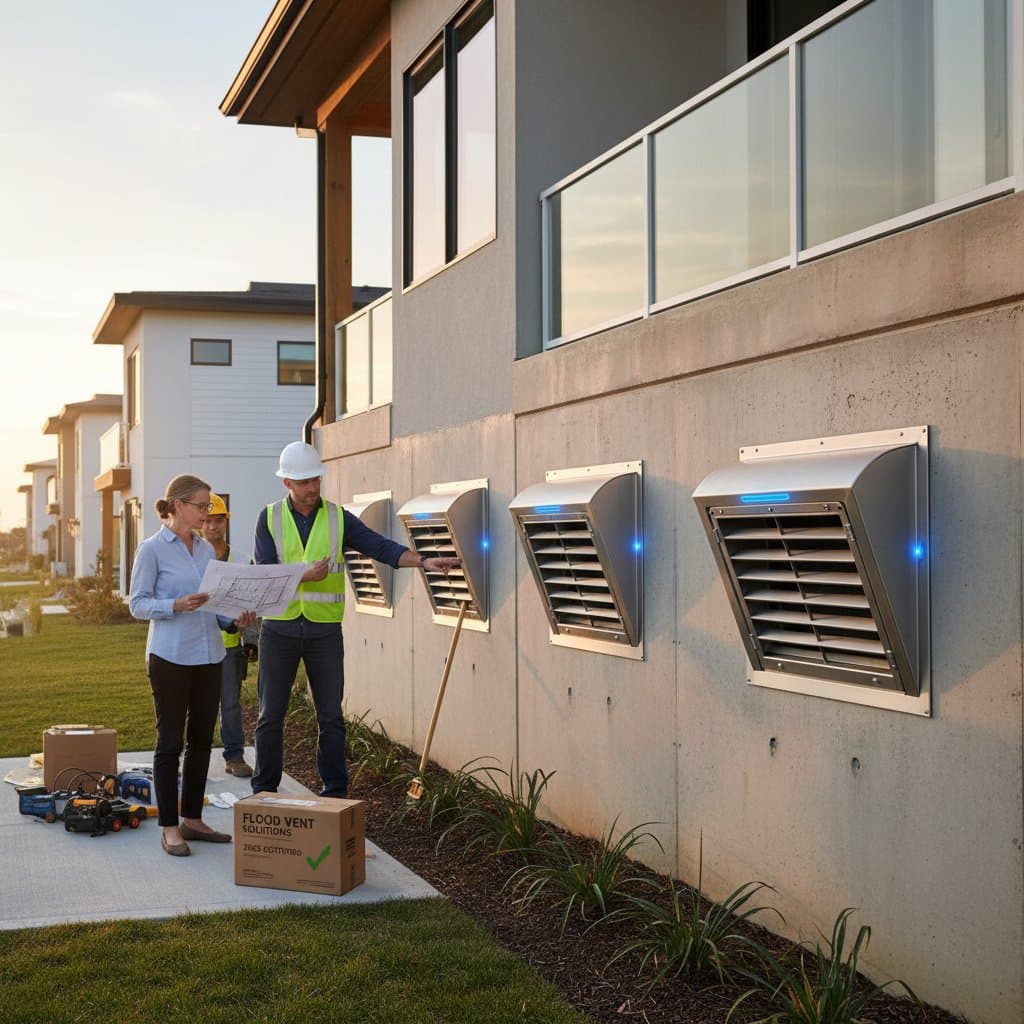
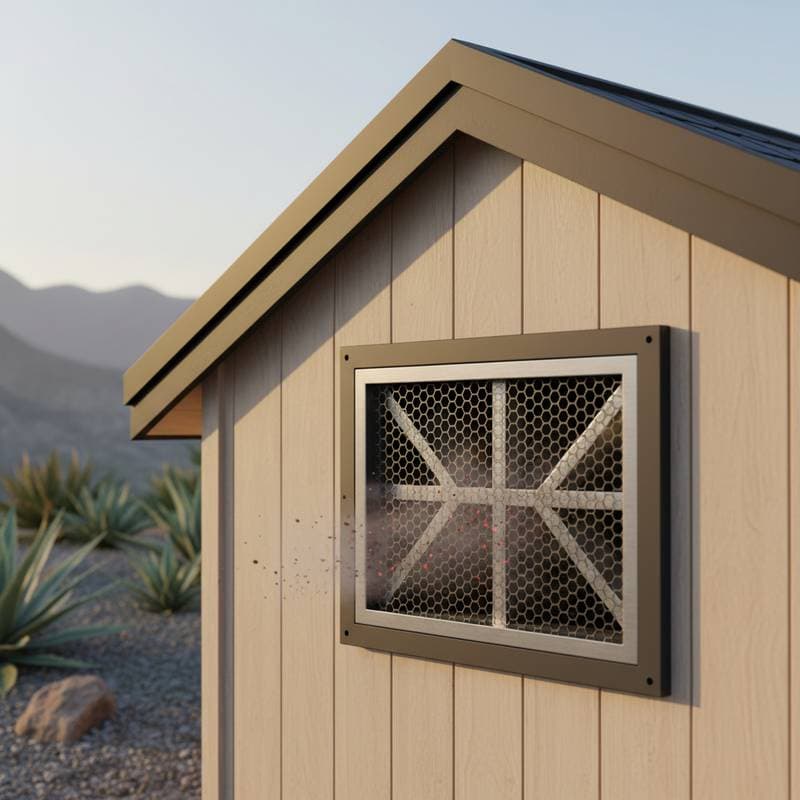
FEMA's 2026 flood vent standards will transform insurance costs and compliance for homeowners in flood-prone areas. Certified engineered vents influence risk ratings, premiums, and property values. Homeowners who upgrade promptly can save thousands, secure FEMA approval, and enhance foundation safety for enduring flood protection and financial security.
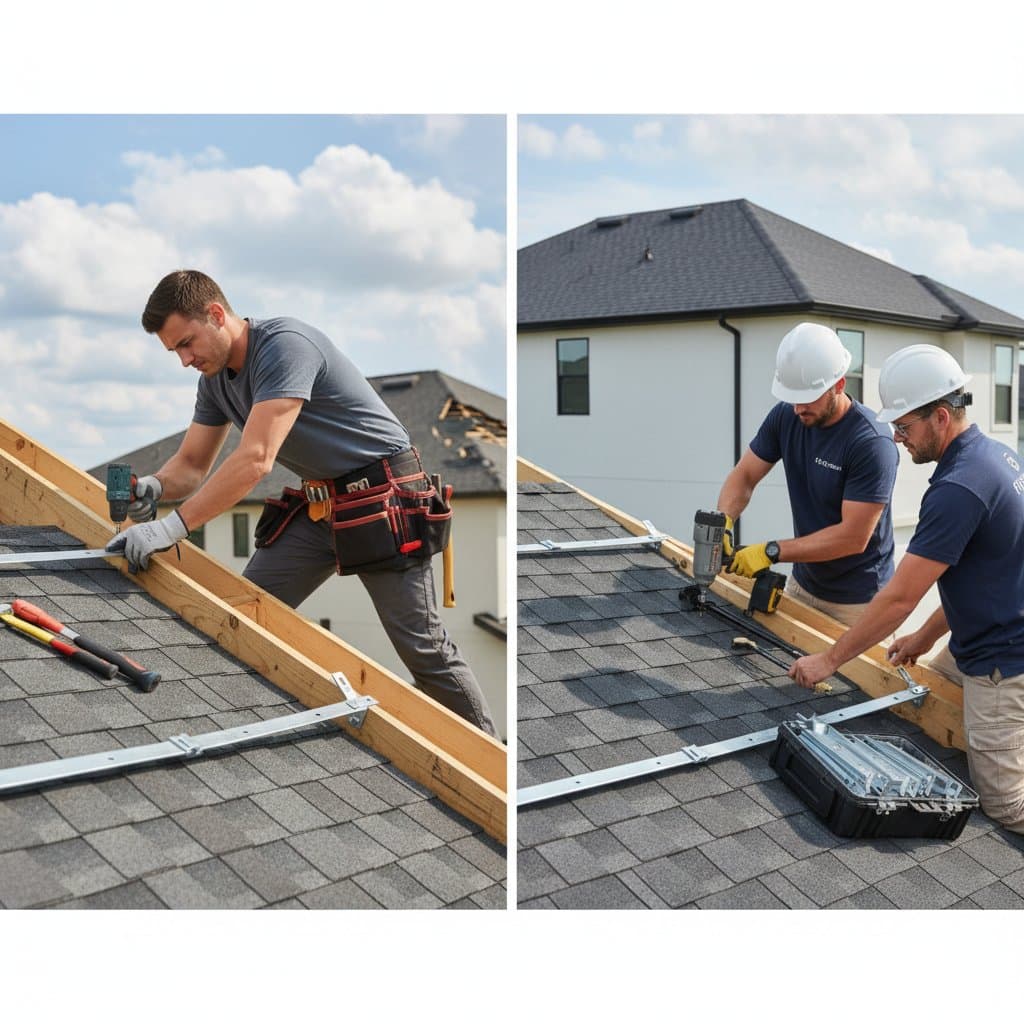
Spring storms challenge the integrity of your entire roof system. This comprehensive guide details inspection techniques, reinforcement methods, and regional considerations to build resilience against wind, rain, and hail, ultimately preserving your home's value and safety.
Smart flood sensors provide early leak detection with instant alerts to smartphones or integrated systems, halting water damage in its tracks. Featuring simple setup, compatibility with Alexa, Google Home, and Apple HomeKit, plus potential insurance discounts, installation before 2026 equips homeowners to avoid expensive repairs and meet rising safety expectations.
Upgrade to a hybrid water heater to slash energy bills by 70% and claim a $2,000 federal tax credit. These ENERGY STAR-certified systems deliver quick payback periods, enhance home efficiency, and increase property value. Discover optimal timing, cost breakdowns, and rebate strategies to optimize your investment before 2026.
By 2026, expanded permit exemptions in numerous states enable homeowners to pursue minor, non-structural renovations without bureaucratic hurdles. Tasks such as painting, flooring installation, and basic repairs generally qualify as exempt, while alterations to structure or major systems demand official approval. Grasping local regulations averts penalties, preserves property value, and ensures DIY endeavors remain lawful.
FEMA-compliant flood vents lower insurance premiums by equalizing flood pressures and protecting foundations. Expect 10-25% savings, with installation costs of $1,200-$3,000. Explore requirements, pricing, and tips for compliant setup to achieve long-term flood resilience.
As renovation costs rise, DIY grab bars offer an essential bathroom safety solution. These installations reduce fall risks for seniors and families, improve accessibility, and elevate property appeal. Explore selection tips, cost details, placement strategies, and professional advice for maximum impact.
Subtle cues such as yard odors or sluggish drains signal potential septic issues. Explore essential indicators, weigh repair against replacement, analyze costs, and adopt maintenance strategies. Expert advice helps secure your home, finances, and well-being for the long term.
Safeguard your basement against flood damage by selecting resilient flooring materials. This guide covers waterproof options such as luxury vinyl plank, porcelain tile, epoxy-sealed concrete, and rubber mats. Identify early moisture signs, decide between DIY and professional help, and follow upkeep strategies for long-term protection.
Effective 2026, contractor deposits are limited to 10% or $1,000 to prevent financial losses from incomplete projects. These laws enforce milestone payments for transparency and trust in renovations nationwide.
FEMA's 2026 updates to flood vent standards enhance foundation resilience for homes in flood zones. These certified, properly sized, and strategically placed vents mitigate pressure damage, ensure regulatory compliance, and reduce insurance expenses. Discover how these advancements provide robust flood protection and homeowner confidence.
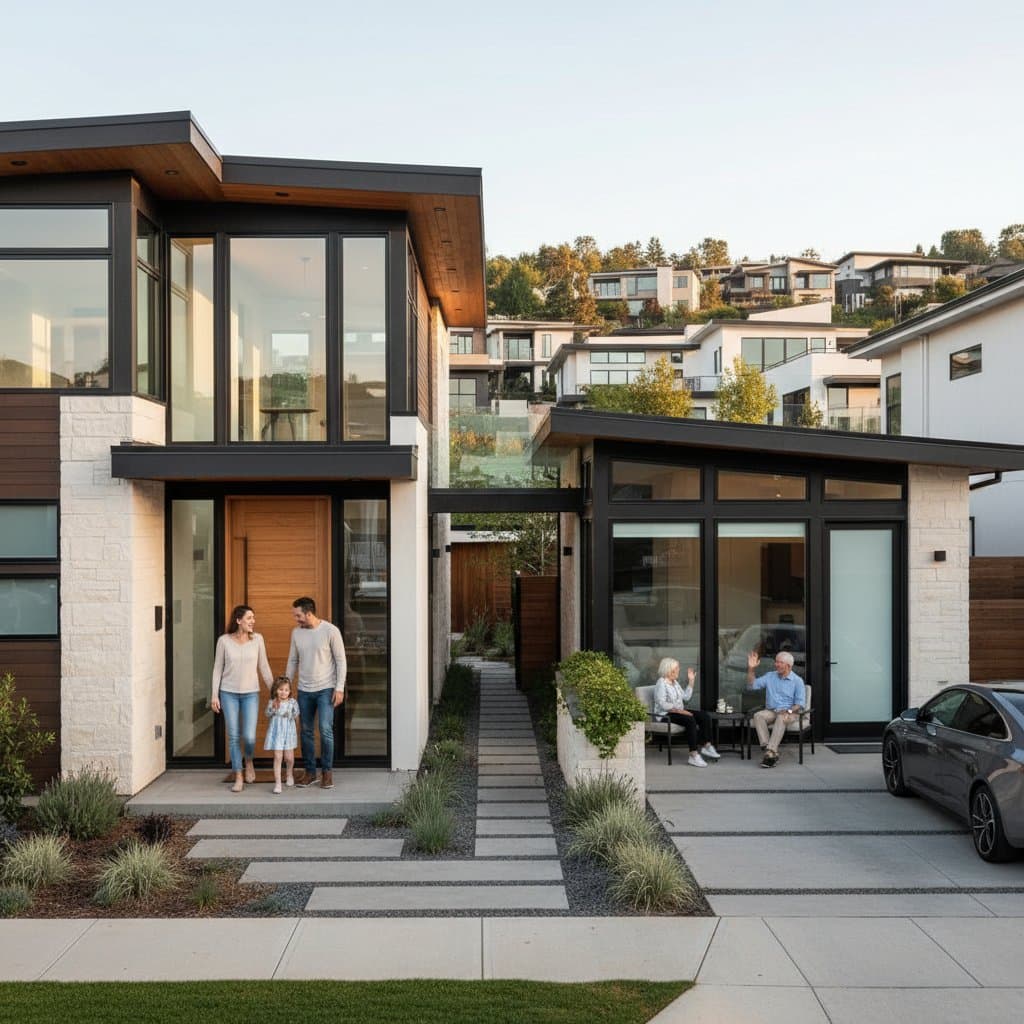
Multigenerational homes redefine real estate value in 2026 by combining family comfort, adaptable spaces, and strong financial returns. Key renovations like private suites, efficient kitchens, and sustainable systems address modern needs and accelerate sales. Discover planning strategies to maximize your property's potential as a versatile investment.