Preparing for New Insurance Standards
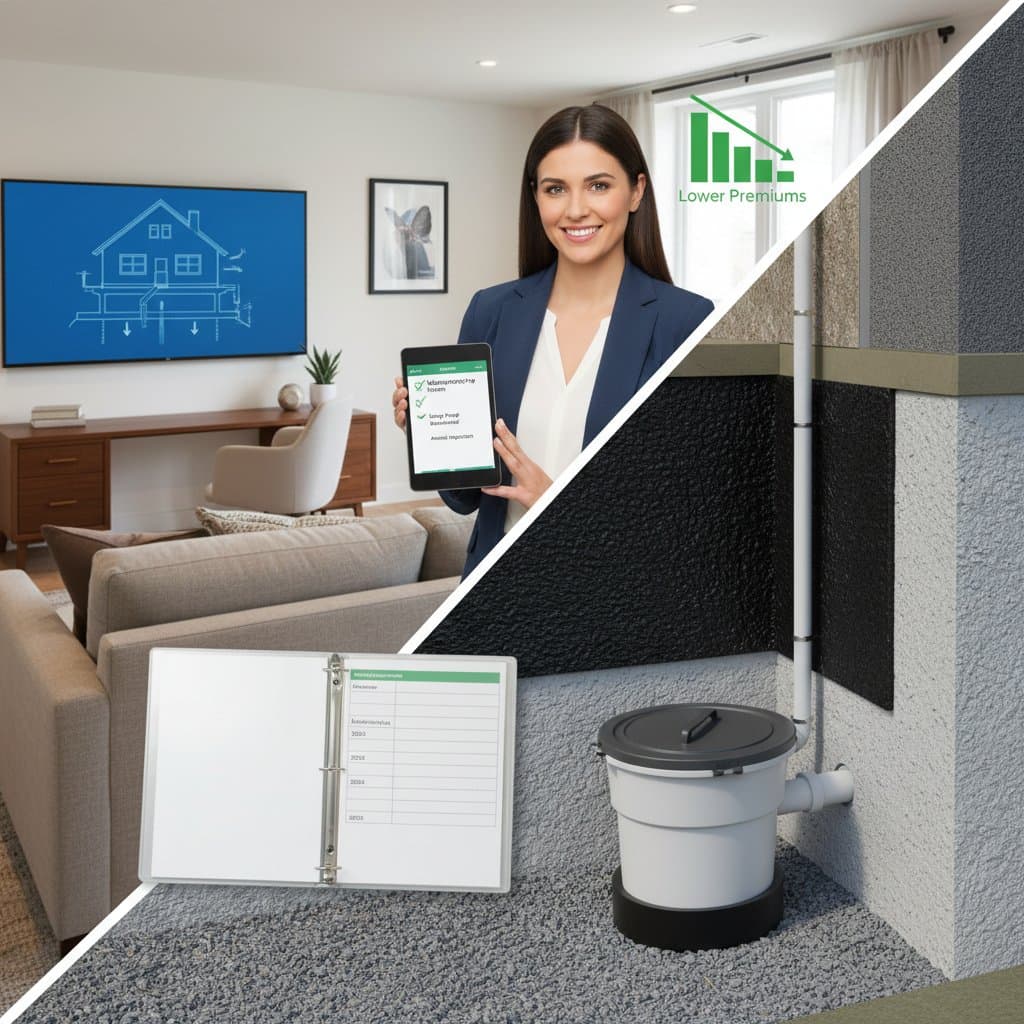
New insurance requirements taking effect in 2026 require homeowners to demonstrate active flood prevention in basements. Coverage approval now depends on documented inspections, waterproofing installations, and ongoing maintenance. These standards increase responsibility for property owners while offering clear benefits. Homes that meet the criteria often qualify for reduced premiums and experience fewer disruptions during storms.
Essential Protection Steps
Effective basement flood defense starts with targeted upgrades that address water at its source. Consider these core measures.
- Install a foundation waterproofing membrane. This flexible exterior barrier prevents moisture from penetrating walls before it reaches interior spaces.
- Add a dehumidifier connected to ventilation. The unit controls humidity levels that promote mold growth. Integration with existing HVAC systems improves overall air quality.
- Improve grading around the foundation and maintain gutters. Direct water flow away from the house through extended downspouts and proper soil slope.
These steps transform a basement from a high-risk area into reliable living or storage space. Dry conditions support long-term usability and protect stored items.
Estimating Project Costs
Homeowners benefit from early financial planning because expenses range from simple tasks to full structural work. Review these categories to set realistic expectations.
- Basic maintenance covers gutter cleaning, downspout extensions, and minor crack sealing. These low-cost actions suit homes with minimal risk.
- Mid-range upgrades include sump pump installation, interior drain tile systems, and waterproof coatings. Older properties gain the most from these additions.
- Comprehensive systems require exterior excavation, membrane application, and drainage replacement. Properties with repeated flooding history need this level of intervention.
Contact your insurer before beginning work. Some providers reimburse approved projects or recommend contractors who deliver documentation that satisfies inspection requirements.
Addressing the Personal Impact
Basement flooding affects more than property. It interrupts routines, damages personal belongings, and creates lasting stress for families. Many households use basements as play areas, offices, or quiet retreats. Preventive requirements help safeguard these uses by reducing the chance of sudden water damage. Residents gain fewer emergency repairs and greater confidence during heavy rainfall.
Working with Professionals
Contractors now emphasize compliance documentation alongside physical work. When selecting a company, confirm that it supplies inspection-ready reports detailing materials and equipment. Proper records speed up insurance approval.
New construction offers an advantage. Request flood-resistant features during the design stage because installation costs less before finishing work begins.
Clearing Up Misunderstandings
Several assumptions lead homeowners to underestimate risk.
- Flood zones focus on surface water. Groundwater flooding can still affect homes outside mapped areas.
- Standard homeowner policies exclude most flood damage. Separate coverage or endorsements are usually necessary.
- Inspectors frequently require professional verification. DIY efforts may not meet documentation standards for coverage.
- A sump pump functions best as part of a complete system. Proper grading and drainage prevent the pump from becoming overwhelmed.
Sustaining Long-Term Protection
After upgrades are complete, regular checks maintain performance. Monitor the sump pit, clear gutters seasonally, and observe pump activity during storms. These habits support consistent dryness and fresh air quality.
The primary advantage appears in daily peace of mind. A prepared basement handles weather events without crisis, allowing homeowners to use the space with assurance rather than concern.