2026 Insurance Rules Require Flood-Proof Basements
Homeowners with basements face a new challenge as upcoming insurance rules change how properties in flood-prone areas are covered. Insurers are tightening standards and will soon require proof that basements are flood-resistant before renewing or issuing policies. These updates are meant to lower claim costs and encourage better protection against water damage.
For many property owners, this means investing in flood-proofing systems that can protect both structure and belongings. Understanding what counts as flood-proof and how to meet the new requirements will help you avoid coverage issues and potential financial setbacks.
Why Insurers Are Requiring Flood-Proof Basements
Rising repair costs and recurring flood losses have prompted insurers to raise standards. Water damage is one of the most common home insurance claims, and basements are high-risk zones. When a basement floods, repairs can range from minor cleanup to full structural restoration.
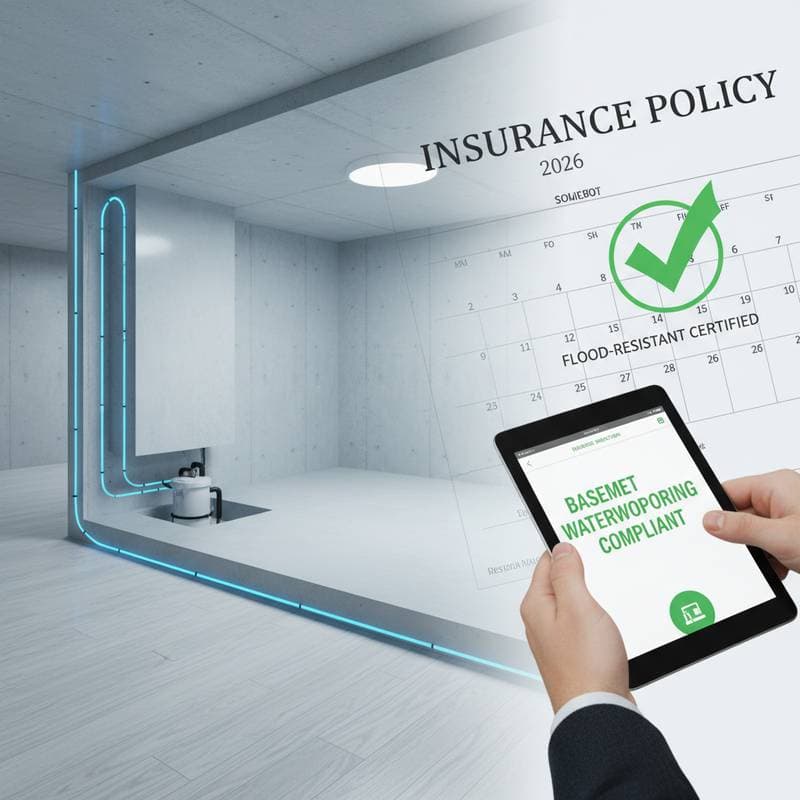
Insurers want to ensure homeowners take preventive steps before damage happens. The new rules will require proof of flood mitigation measures before coverage is granted. This may include inspection reports, certification from a licensed waterproofing contractor, or photos showing completed improvements.
Homes that fail to meet these standards could face higher premiums or even denial of coverage. Upgrading now can protect your property from costly emergencies and may qualify you for premium discounts.
Factors That Influence Your Flood-Proofing Costs
Several conditions affect the total price and the type of work your basement needs. Clay soils hold water longer, increasing pressure on foundation walls. Homes in high-risk areas must meet stricter standards.
Deeper basements require more extensive drainage systems. Repairing cracks or mold before waterproofing raises the cost. Tight spaces or landscaping around the home increase labor hours.
If your basement already shows moisture problems, expect your project to require both repair and prevention work. Scheduling an inspection early will help you budget more accurately.
Pros and Cons of Flood-Proofing Methods
Every protection method has trade-offs. Knowing them helps you choose the right combination for your home.
Interior Waterproofing
- More affordable and easier to install
- Does not prevent water from entering walls and may require maintenance
Exterior Waterproofing
- Provides complete protection from outside moisture
- Costs more, requires excavation, and can disturb landscaping
Sump Pumps
- Remove water effectively and remain affordable
- Require a power source and need periodic testing
Drain Tile Systems
- Offer long lifespan and reduce hydrostatic pressure
- Costly if installed after construction
Flood Barriers
- Allow quick installation and removal when not needed
- Provide limited coverage for long floods
Ways to Manage Flood-Proofing Expenses
Upgrading your basement can be costly, but there are smart ways to manage expenses. Combine waterproofing with other renovations like finishing or insulation upgrades to save on labor costs.
Some local programs offer rebates for drainage or sump pump installations. Clearing the basement or improving grading before the contractor arrives reduces billable hours.
Simple additions like backflow valves can prevent emergencies and save thousands later. Get at least three professional estimates to compare pricing and scope.
Maintaining Your Investment
Flood-proofing is not a one-time effort. Even the best systems need care to stay effective. Test sump pumps monthly by pouring water into the pit.
Inspect basement walls and floors for new cracks. Clean window wells and drains after heavy rain. Check for damp odors, which can signal slow leaks.
Replace backup batteries every few years. Regular maintenance keeps your home protected and confirms your compliance with insurance requirements.
Preparing for Policy Renewal
If your home has a basement, now is the time to prepare for the new insurance standards. Start by reviewing your current coverage and scheduling a professional inspection.
Gather quotes for any needed improvements and plan upgrades before policy renewal season. Making your basement flood-proof protects your foundation, preserves your belongings, and reduces future repair costs.