2026 Medicare Funds for Accessible Bathroom Remodels
Upgrading a bathroom for accessibility can dramatically improve safety and independence at home. Many older adults and individuals with medical conditions consider remodeling their bathrooms with walk-in showers, grab bars, or raised toilets. The challenge is often cost. The good news is that Medicare and related programs can help offset some of these expenses if the remodel is medically necessary.
Key Facts
- Average Cost: $9,000 to $25,000 for a full accessible remodel
- Timeline: 1 to 3 weeks depending on scope
- Lifespan of Upgrades: 15 to 25 years
- DIY Difficulty: High, professional installation recommended
What Medicare Covers
Medicare typically does not pay for home upgrades that are purely for convenience or general home improvement. However, when a doctor prescribes certain modifications as part of a treatment plan, some expenses can be reimbursed or supported through related programs.
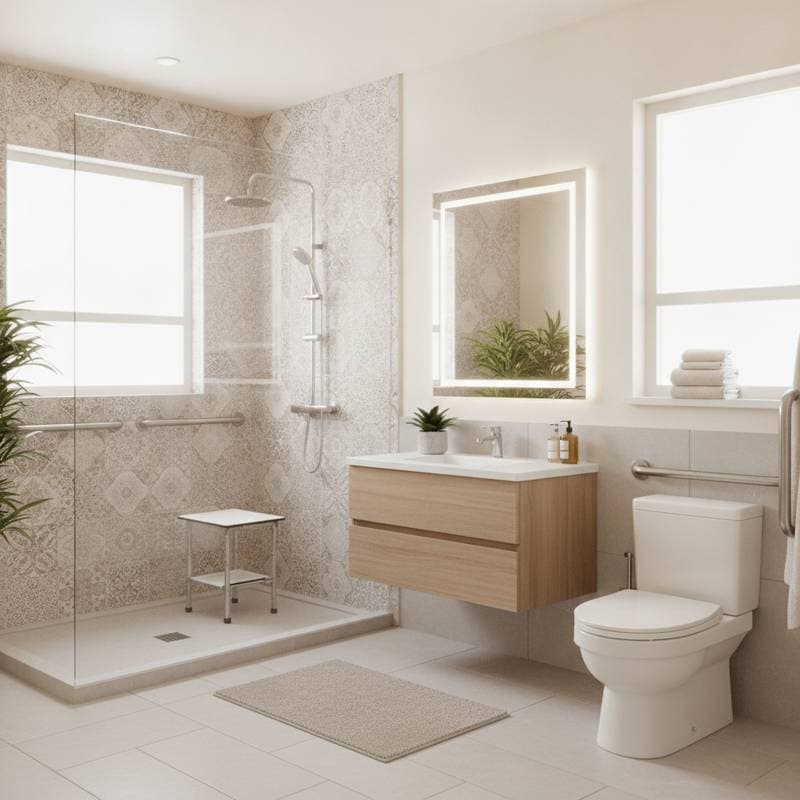
Medicare Part B may cover durable medical equipment such as shower chairs, hand-held shower heads, or transfer benches. These items must be medically necessary and ordered by a healthcare provider. For more extensive remodels, homeowners may qualify for Medicare Advantage plans that offer supplemental benefits, including partial coverage for accessibility improvements.
Other federal and state programs, such as Medicaid waivers or local housing grants, can further reduce costs for qualifying homeowners who need safe, accessible living spaces.
Cost Breakdown
The cost of an accessible bathroom remodel depends on the type of modifications and materials used.
| Upgrade Type | Average Cost | Description |
|---|---|---|
| Walk-in Shower | $6,000 - $12,000 | Low-threshold entry for easier access |
| Grab Bars and Handrails | $200 - $800 | Safety support near toilet and shower |
| Comfort-Height Toilet | $400 - $1,200 | Easier transfers from wheelchair or walker |
| Non-Slip Flooring | $1,500 - $3,000 | Reduces risk of slips and falls |
| Widened Doorway | $1,000 - $2,500 | Allows wheelchair entry |
| Sink with Knee Clearance | $1,200 - $2,800 | Accessible use for seated individuals |
Labor costs make up roughly 40 to 60 percent of the total. Projects requiring plumbing or electrical changes can increase the price, but these upgrades often improve both safety and resale value.
Factors That Affect Cost and Coverage
- Medical Necessity: A prescription or letter from your doctor is key to qualify for reimbursement.
- Type of Plan: Some Medicare Advantage plans include home safety benefits, while traditional Medicare may only cover equipment.
- Home Layout: Older homes with smaller bathrooms may need structural adjustments.
- Location: Labor and permit costs vary by region.
- Scope of Work: A simple grab bar installation costs far less than a full shower conversion.
Before committing, request written estimates from at least two licensed contractors who specialize in accessibility remodels. This documentation is often required when submitting claims.
How to Save on an Accessible Remodel
- Ask About Rebates: Some Medicare Advantage providers and state agencies offer rebates for accessible fixtures.
- Bundle Projects: Combining multiple safety upgrades in one remodel can reduce labor costs.
- Explore Grants: The Department of Housing and Urban Development and local aging agencies sometimes provide funding for home modifications.
- Plan Off-Season Work: Contractors may offer lower rates during slower months.
- Use Tax Deductions: If modifications are medically necessary, you may be able to deduct a portion of the expenses as medical costs.
DIY or Hire a Pro?
Small improvements such as installing grab bars or handheld showerheads can be done by confident DIYers, provided the fixtures are properly anchored. Larger projects like converting a tub to a walk-in shower or adjusting plumbing should always be handled by licensed professionals.
Hiring a professional also ensures compliance with local building codes and accessibility standards, which is especially important when documentation is needed for Medicare or insurance claims.
Your Next Steps
- Consult Your Doctor: Get a written recommendation stating the medical need for bathroom modifications.
- Contact Your Medicare Provider: Ask about covered benefits and any necessary forms.
- Get Contractor Quotes: Choose a licensed contractor experienced in accessible design.
- Document Everything: Keep receipts, photos, and letters for claim submissions.
- Schedule an Inspection: Confirm that the completed remodel meets safety and accessibility guidelines.
Maintaining Your Investment
An accessible bathroom remodel is both a health upgrade and a long-term investment in your home. Regular maintenance, such as checking grab bar stability and resealing non-slip flooring, keeps the space safe and functional.
By pairing Medicare funds, rebates, and professional guidance, you can create a safer, more comfortable bathroom that supports independence and peace of mind for years to come.