- Employ a stud finder to identify solid framing behind the drywall.
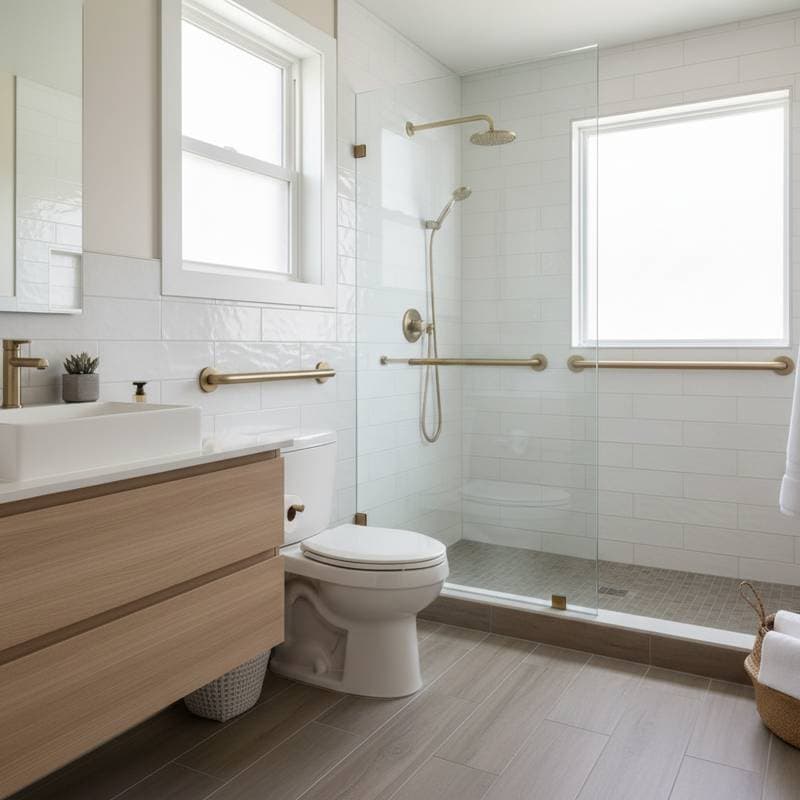
- Outline the bar's position at an ergonomic height and 45-degree angle for optimal support.
- Create pilot holes using an appropriate drill bit for the surface material.
- Fasten brackets with corrosion-resistant screws, then affix the bar and verify immobility.
Post-installation, apply weight to confirm durability. For tiled surfaces, select carbide-tipped bits to avoid cracking. Regular inspections ensure long-term reliability, particularly in humid environments.
Selecting Cost-Effective Grab Bar Varieties
Achieving an elegant outcome requires minimal investment, with quality options accessible at local suppliers or digital platforms. Prices range from basic models under $20 to sophisticated designs exceeding $100, depending on materials and features.
Selections categorized by expenditure:
- Economical selections: Opt for powder-coated steel or reinforced plastic bars in polished or satin finishes for everyday durability.
- Moderate investments: Choose brushed nickel or oil-rubbed bronze variants with hidden fasteners for a seamless appearance.
- Luxury enhancements: Explore multifunctional units that incorporate robe hooks, soap dishes, or integrated lighting for added convenience.
To harmonize aesthetics, align the bar's hue with existing fixtures like towel rods or handles. Proper spacing—typically 1.25 to 1.5 inches in diameter—facilitates comfortable grasping for most hand sizes. These choices not only safeguard but also refine the bathroom's visual coherence.
Embracing Universal Design for Sustained Worth
Universal design principles advocate environments adaptable to all life stages and abilities. Grab bars exemplify this approach by enabling independent mobility without altering core layouts. Properties featuring such elements often transact more swiftly, as they minimize buyer apprehensions about modifications.
Buyers value these proactive features for their practicality in multigenerational households. They eliminate the need for costly retrofits later, preserving equity over time. Integrating grab bars alongside other subtle adjustments, like lever handles or curbless showers, amplifies overall appeal.
This philosophy extends to placement strategies: install horizontal bars for lateral support near commodes and vertical ones beside showers for entry assistance. Compliance with guidelines from accessibility experts ensures functionality without compromising style. Ultimately, these investments yield returns through faster sales and premium valuations.
Engaging Professionals for Complex Setups
Tiled walls or intricate structural elements demand specialized skills to prevent damage. Professionals assess load requirements and recommend reinforced anchors for non-stud locations, such as using toggle bolts in hollow spaces.
They customize installations to specific needs, like angled bars for seated transfers or extended lengths for larger users. Budget for professional services typically ranges from $100 to $300 per bar, covering materials and labor. This option suits bathrooms with vintage plumbing or uneven surfaces where precision matters.
Consult licensed contractors familiar with building codes to avoid voids in warranties. Their expertise extends to matching hardware with room themes, ensuring a polished result.
Implementing Grab Bars Effectively
Installing grab bars transcends mere addition; it fortifies home resilience, usability, and allure. Begin by evaluating high-traffic bathrooms, prioritizing those with older fixtures or frequent use.
Weigh personal skills against project demands to select DIY or hired assistance. Source materials from reputable vendors emphasizing ADA-compliant options for assured quality.
Following completion, conduct routine checks for looseness, especially after seasonal humidity shifts. Document installations with photos and receipts to showcase during showings. This forward-thinking measure equips your property for diverse buyers, securing its position in evolving real estate landscapes.