Understanding Foundation Repair Costs in 2025
Homeowners face a significant financial decision when addressing foundation problems. In 2025, repair costs generally fall between $5,000 and $25,000. This range reflects variations in damage severity, property location, and repair approaches. Early intervention often prevents escalation, preserving both budget and home integrity.
Foundation issues arise from soil shifts, water damage, or poor construction. These problems compromise structural safety and property value. Repairing them restores stability and avoids costlier future interventions. Professional assessment proves essential for accurate cost estimation.
Key Factors Influencing Repair Expenses
Several elements determine the final price tag for foundation work. Damage extent represents the primary driver. Minor cracks require less intervention than widespread settling.
Soil type and moisture levels also play a critical role. Expansive clays expand and contract with weather changes, increasing repair complexity. In regions with high water tables, drainage improvements add to the bill.
Home size and foundation type further affect costs. Slab foundations demand different techniques than crawl spaces or basements. Larger structures necessitate more materials and labor, pushing expenses higher.
Location influences pricing through labor rates and material availability. Urban areas often incur higher fees due to demand and regulations. Permits and inspections contribute additional costs in some jurisdictions.
Common Signs of Foundation Problems
Recognizing early indicators allows for timely action. Horizontal cracks in walls signal serious shifting. These differ from minor settling cracks, which appear vertically.
Doors and windows that stick or fail to close properly indicate misalignment. Uneven floors or sloping surfaces provide further evidence. Water pooling near the foundation suggests drainage issues exacerbating the problem.
Gaps around window frames or baseboards emerge as structures separate. Outdoor signs include tilting chimneys or separating siding. Homeowners should document these observations for contractor evaluation.
Types of Foundation Repairs and Their Costs
Repair methods vary based on the underlying issue. Each approach carries specific price points and benefits.
Crack Injection and Sealing
For hairline cracks, epoxy or polyurethane injections seal fissures effectively. This method costs $500 to $4,000 per crack. It prevents water infiltration and strengthens the concrete.
Professionals drill small holes and inject material under pressure. The process suits minor damage without structural lifting. Results offer long-term protection against further deterioration.
Underpinning with Piers
Severe settling requires underpinning to stabilize the foundation. Steel piers drive deep into stable soil layers. Costs range from $1,000 to $3,000 per pier, with most homes needing 10 to 20.
Helical piers screw into the ground like giant corkscrews. They provide immediate load-bearing support. This technique excels in varied soil conditions and minimizes disruption.
Push piers hydraulically press segments into the earth. Installation occurs sequentially for precise leveling. Both methods ensure even weight distribution across the structure.
Slab Jacking and Foam Injection
Concrete slabs benefit from slab jacking, where grout lifts sunken sections. Prices start at $3,000 for small areas. The process involves drilling holes and pumping material beneath the slab.
Polyurethane foam injections offer a lighter alternative. Foam expands to fill voids and raise the foundation. This method costs $5,000 to $15,000 and cures quickly, allowing faster reoccupation.
Both techniques address localized sinking without full excavation. They prove ideal for homes on slab foundations. Durability depends on proper application and soil preparation.
Full Foundation Replacement
In extreme cases, complete replacement becomes necessary. This comprehensive solution ranges from $20,000 to $100,000 or more. It involves excavating around the perimeter and pouring new concrete.
Engineers assess when replacement outperforms repairs. Structural engineers evaluate load-bearing capacity. The process disrupts daily life but provides a fresh, warrantied foundation.
Steps to Prepare for Foundation Repair
Homeowners benefit from a structured approach to the repair process. Begin with a professional inspection. Licensed engineers or contractors identify the root cause and recommend solutions.
Obtain multiple quotes from reputable firms. Compare methods, warranties, and timelines. Verify credentials through state licensing boards and customer reviews.
Review insurance coverage for potential assistance. Some policies cover earth movement damage. Financing options ease the burden for larger projects.
Prepare the property by clearing access areas. Secure valuables and plan for temporary relocation if needed. Document the before-and-after conditions for records.
- Schedule inspections promptly upon noticing signs.
- Gather estimates from at least three providers.
- Understand the proposed method and its implications.
- Confirm all permits and compliance requirements.
- Monitor progress and communicate with the team.
Preventing Future Foundation Issues
Proactive measures extend the life of repairs. Maintain proper drainage around the home. Gutters direct water away from the foundation, reducing soil erosion.
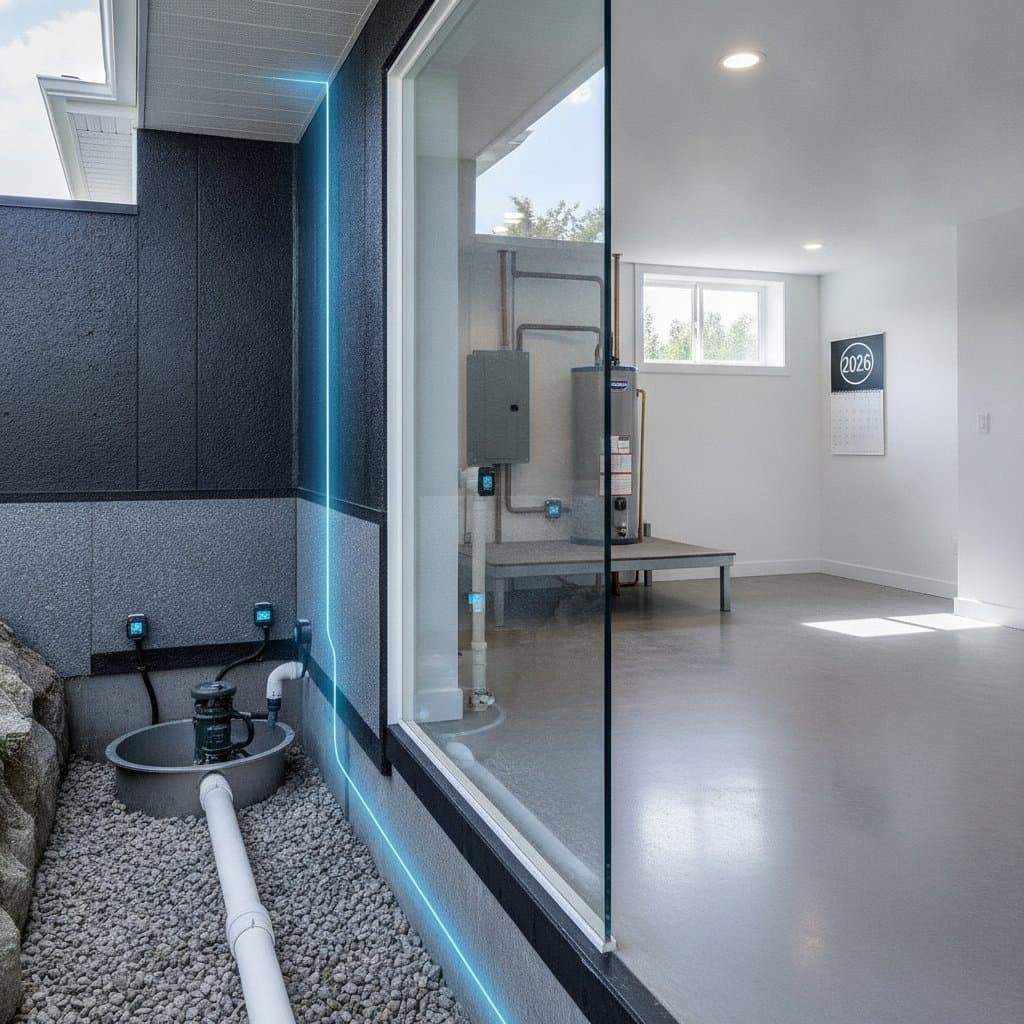
Install French drains or sump pumps in wet climates. These systems manage groundwater effectively. Regular maintenance prevents clogs and failures.
Control vegetation near the structure. Tree roots seek moisture and can destabilize soil. Plant shrubs at safe distances to avoid interference.
Monitor soil moisture levels annually. Adjust irrigation to prevent extremes. Professional landscaping enhances stability without compromising aesthetics.
Achieving Long-Term Home Stability
Investing in foundation repair secures your property's future. Quality work enhances resale value and ensures safety. Modern techniques deliver reliable results with minimal intrusion.
Homeowners gain peace of mind knowing their investment stands firm. Regular upkeep complements repairs for enduring performance. Consult experts to tailor solutions to your specific needs.