Greywater Return on Investment: $4,000 Rebates and Substantial Home Value Increases
Home upgrades vary in their benefits, yet greywater systems stand out for their dual financial and environmental returns. Rebates, reduced monthly bills, and responsible water use make this investment appealing. If water bills prompt thoughts of more efficient alternatives, greywater systems provide a practical starting point.
Project Overview
Average Cost: $5,000-$12,000
Timeline: 1-3 weeks
Lifespan: 15-20 years
Best Season: Spring or early fall
DIY Friendly: Partial; professional installation required for certain plumbing elements
Permits: Typically needed for municipal connections or tank setups
Detailed Cost Analysis
The initial greywater system installation revealed a broad price spectrum influenced by location, home plumbing configuration, and system complexity. Homeowners should anticipate variations based on these factors. The following outlines expected expenses for common setups.
1. Basic Laundry-to-Landscape Systems
- Cost: $1,500-$3,000
- Labor: $800-$1,200
- Materials: $700-$1,800
- DIY Potential: Moderate; these route washing machine output directly to garden areas
- Best For: Irrigating gardens in smaller households
2. Full-Home Diversion Systems
- Cost: $6,000-$10,000
- Labor: $3,000-$5,000 (requires licensed plumber)
- Materials: $3,000-$5,000, encompassing tanks, filters, and valves
- Best For: Residences with several bathrooms and mature landscapes
3. Advanced Filtration and Storage Systems
- Cost: $10,000-$18,000
- Labor: $5,000-$7,000
- Materials: $5,000-$11,000, including automated filters and irrigation controls
- Best For: Estates with extensive gardens needing reliable water quality
Location plays a key role. Coastal or dry areas face elevated plumbing labor costs, whereas inland zones might encounter higher permit expenses despite reduced installation rates.
Choosing Between DIY and Professional Installation
A straightforward laundry-to-landscape setup suits capable homeowners with plumbing basics, trenching experience, and code familiarity. Allocate a weekend for installation and an additional day for testing. This approach works well for targeted irrigation needs.
Complex integrations, such as connections to main lines, tanks, or irrigation networks, demand a licensed plumber or water specialist. Faulty setups risk contamination or backflow problems, with fixes often exceeding initial costs.
DIY Advantages
- Reduced initial expenses
- Quicker completion
- Suitable for limited irrigation projects
DIY Disadvantages
- Restricted reuse capacity
- Absence of warranties or inspections
- Potential ineligibility for complete rebates
Professional Advantages
- Compliance with codes and full warranties
- Access to top rebate amounts
- Superior efficiency and seamless integration
Professional Disadvantages
- Elevated costs
- Possible delays in peak seasons
Calculating Return: Savings, Incentives, and Property Appreciation
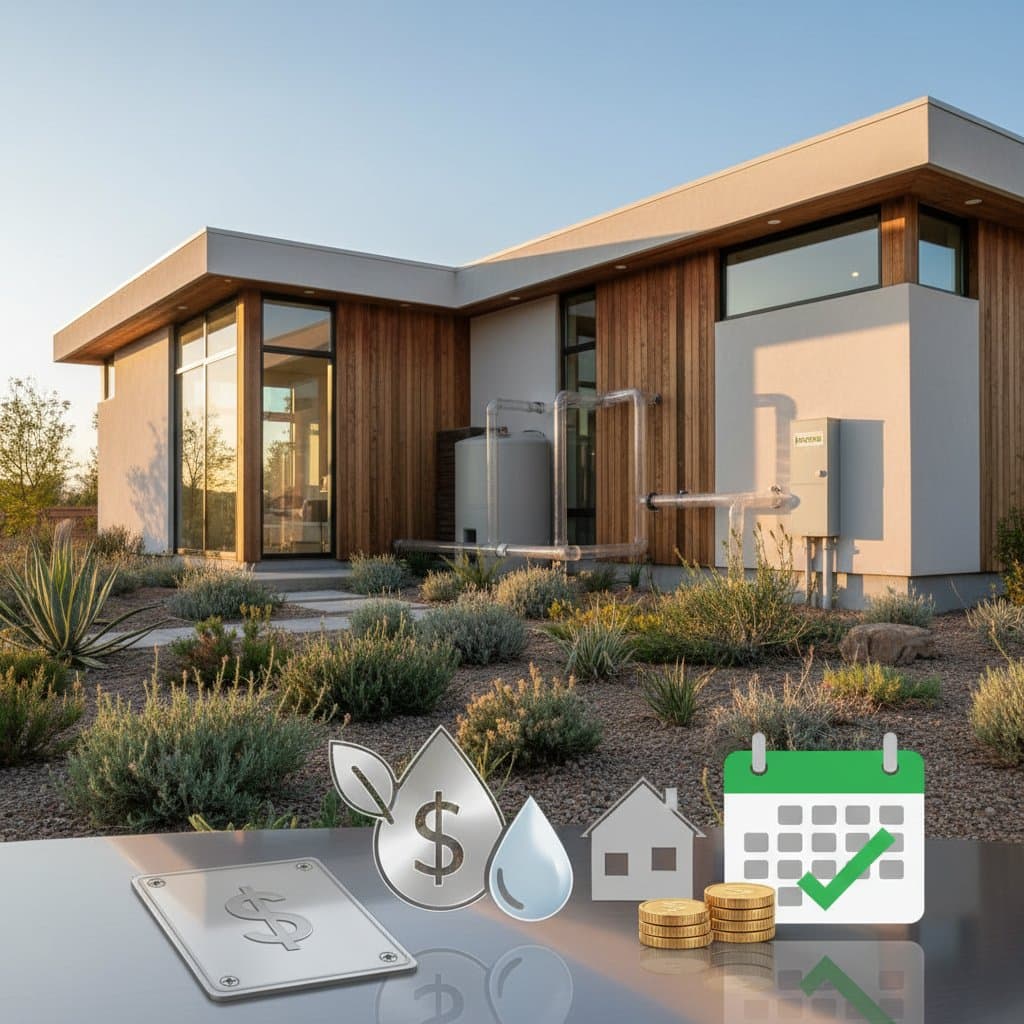
Greywater systems yield returns across three main areas.
- Utility Reductions: Water bills decrease by 25 to 50 percent. A household with $100 monthly water costs saves $300 to $600 annually.
- Incentives: Rebates provide up to $4,000 shortly after installation.
- Property Boost: In regions facing water shortages, such systems raise appraisals by 3 to 5 percent.
Payback occurs in 5 to 8 years, accelerating with maximum rebates. Post-payback, annual savings persist throughout the system's life.
Engaging Experts for Compliance
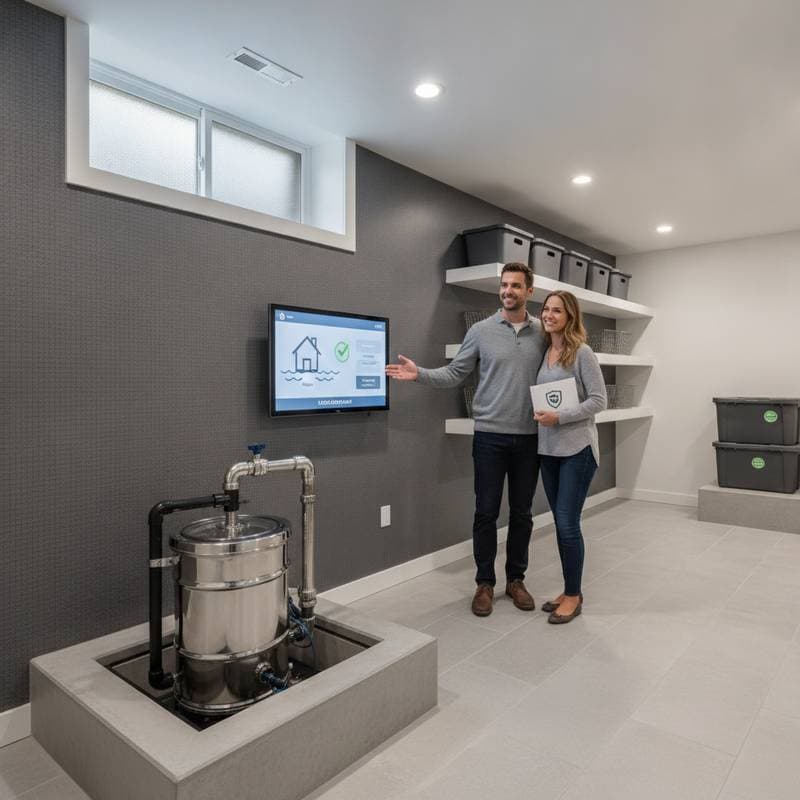
Systems with tanks over 50 gallons or irrigation ties often require inspections per local regulations. Secure approvals from licensed plumbers and, if needed, landscape architects. Pumps demand certified electrician oversight for electrical work.
Avoid any linkage to drinking water supplies, as this poses severe health risks. Install certified backflow preventers and use distinct, color-coded pipes to separate greywater from potable sources.
Ongoing Maintenance Practices
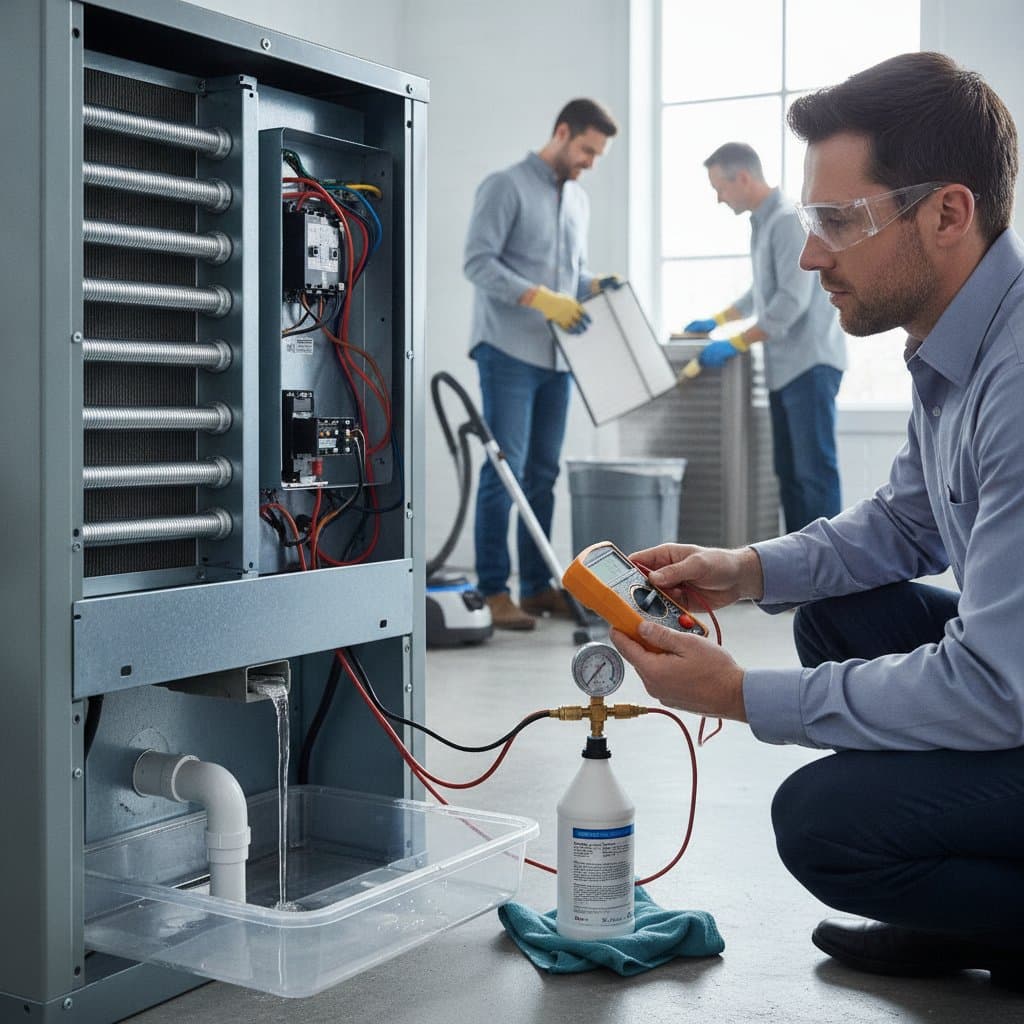
Regular upkeep ensures greywater system performance. Clean filters each month. Inspect valves and outlets biannually for clogs or residue buildup.
For tank-equipped systems, examine seals and connections yearly. Leaks from oversight can erode savings rapidly. Allocate $100 to $200 annually for supplies or expert checks.
Integrate maintenance with landscaping schedules to maintain both irrigation and greywater components efficiently.
Steps to Implement Greywater Reuse
Greywater adoption delivers multifaceted benefits: conserved resources, bill reductions, and enhanced property desirability. Begin with a basic diversion for modest gains or opt for comprehensive designs to maximize impact. Current rebate programs present an optimal window for proceeding.