Why Smart Leak Detectors Prevent Costly Floods
Minor leaks represent a silent threat to home integrity. A subtle drip from a faucet or seepage near an appliance can escalate into widespread water damage, fostering mold proliferation and necessitating substantial repairs. Homeowners benefit from smart leak detectors, which offer an economical method to identify these issues promptly and mitigate potential disasters.
These devices empower individuals to maintain control over their property's condition. By integrating technology into routine home care, owners reduce the risk of unexpected expenses. The result is enhanced security and financial prudence for any household.
Essential Facts About Smart Leak Detectors
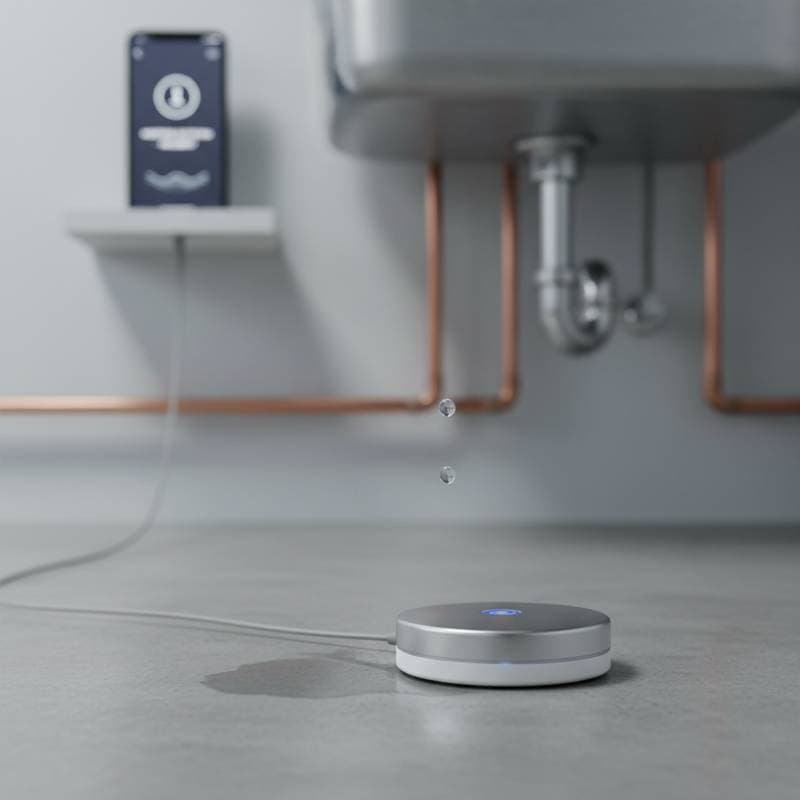
Smart leak detectors consist of compact electronic units designed to monitor for water presence or abnormal humidity. Upon detection, they transmit notifications to a user's mobile device or compatible smart home platform. This mechanism ensures that individuals receive immediate information, enabling rapid response to avert escalation.
New property owners particularly appreciate these tools, as they may lack familiarity with subtle plumbing indicators. Placement in vulnerable areas, such as beneath sinks or adjacent to water heaters, fortifies defenses against unforeseen problems. Ultimately, such systems preserve property value and eliminate the burden of high remediation fees.
Consider the scope of potential savings. Insurance data indicates that water-related claims average several thousand dollars per incident. Proactive monitoring through these detectors frequently prevents such occurrences, providing tangible economic advantages.
The Mechanics of Smart Leak Detectors
These devices employ various sensor technologies to identify moisture. Capacitive sensors, for instance, detect changes in electrical fields caused by water proximity, while others measure temperature fluctuations indicative of leaks. Advanced variants incorporate shut-off mechanisms that halt water supply automatically upon alert activation.
Integration with platforms like Amazon Alexa or Google Home enhances usability. Users receive voice notifications or app-based updates, regardless of location. For those preferring simplicity, entry-level options activate audible alarms locally, requiring no connectivity.
Installation proves straightforward for most models. Adhesive backing or mounting brackets secure units in place, often without professional assistance. Begin by identifying high-risk zones, such as basements or laundry rooms, and position sensors accordingly to maximize coverage.
Cost-Effective Implementation Strategies
Home protection need not demand immediate comprehensive investment. Initiate with two or three units in priority locations, such as under kitchen sinks and near washing machines. Basic models typically range from twenty to fifty dollars each, delivering essential functionality without excess features.
Gradual expansion aligns with financial planning. As resources permit, incorporate additional sensors or upgrade to systems with remote monitoring capabilities. This phased approach ensures sustained vigilance without straining budgets.
Certain insurers recognize the value of these installations by providing premium reductions, sometimes up to ten percent. Verify eligibility with your provider to capitalize on such incentives. Over time, the initial outlay yields returns through avoided claims and preserved structural integrity.
Maintenance Practices for Optimal Performance
Regular verification maintains detector efficacy. Each month, simulate a leak by applying a moistened cloth to the sensor, confirming alert activation. Adhere to manufacturer guidelines for battery replacement, usually every six to twelve months, to prevent failures.
Monitor wireless connections periodically, ensuring stable Wi-Fi signals in installation areas. Relocate units if interference occurs, or opt for models with extended range. These routines demand minimal time yet safeguard reliability.
Upon receiving an alert, prioritize investigation. Isolate the water supply via the main valve, then mop excess moisture and examine for sources like corroded pipes or faulty seals. Prompt measures limit damage extent and facilitate targeted repairs.
Consult a plumber for persistent issues, as early professional input can address underlying causes. Document incidents for insurance purposes, strengthening future claims if necessary.
Steps to Integrate Leak Detectors into Home Protection
Effective home management involves proactive measures against water threats. Smart leak detectors simplify this process, offering accessible technology for all skill levels. Commence with assessment of your property's layout to pinpoint susceptible areas.
Select devices based on needs, balancing cost with features like app integration. Install and test promptly to establish familiarity. Through consistent use, these tools foster resilience against environmental hazards.
The broader impact extends to family well-being, minimizing risks from mold or structural compromise. Invest in this layer of defense to enjoy uninterrupted living. Your home deserves such diligent care for enduring stability.