Ember Screens: The Simple Defense Against Wildfire Loss
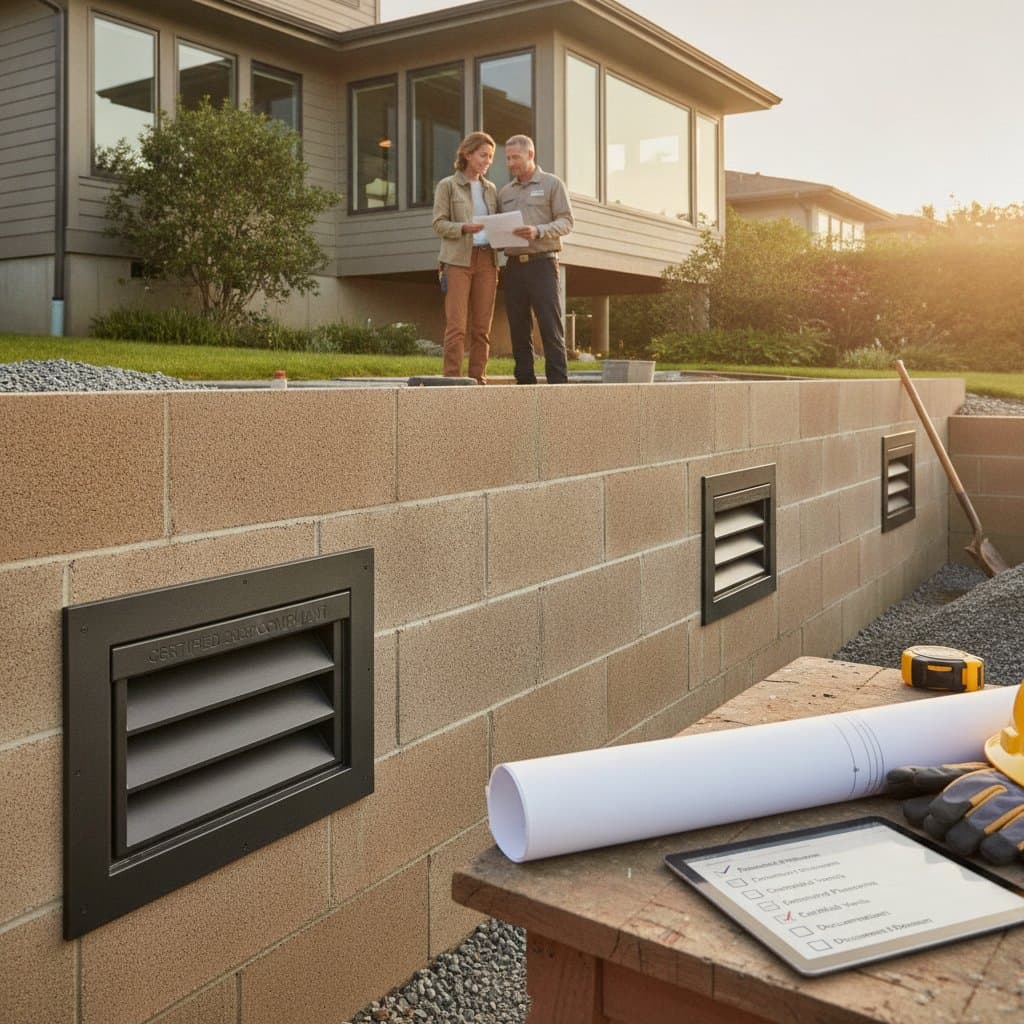
By 2026 many jurisdictions will require ember screens on homes in high risk zones. These fine metal meshes block flying embers from entering vents while preserving necessary airflow. Early installation helps homeowners avoid rushed work and may support insurance premium reductions.
Get three free quotes from local contractors before selecting an installer. Labor rates differ significantly across regions. Specialists in wildfire retrofits understand code requirements more thoroughly than general contractors.
How to Choose the Right Ember Screen Material
Material selection depends on climate, budget, and home appearance. The options below outline key differences.
| Material | Cost | Durability | Pros | Cons |
|---|---|---|---|---|
| Stainless Steel | High | Excellent | Corrosion resistant and strong | Higher purchase price |
| Bronze | Medium | Very Good | Attractive natural finish | Can darken over time |
| Aluminum | Low | Good | Lightweight and simple to install | Less resistant to intense heat |
| Copper | High | Excellent | Develops a pleasing patina | Expensive and harder to source |
Coastal homes benefit from stainless steel because it resists salt corrosion. Inland properties often achieve balanced performance and cost with aluminum or bronze.
Strategic Timing Advice
Schedule upgrades before temperatures rise and fire risk increases. Contractors fill schedules rapidly once warnings appear in local reports. Early spring offers mild conditions and steadier material supply.
Combine the project with siding replacement or roof repairs when possible. Shared scaffolding and labor can lower total expense by 10 to 15 percent. Finish work before insurance renewal so documentation can be submitted promptly for any available credits.
Integration With Other Fire Resistant Upgrades
Ember screens perform best when paired with additional protections. Consider them one component of a layered defense.
- Class A roofing such as metal panels or noncombustible shingles
- Fiber cement siding that withstands heat better than wood
- Tempered glass windows that endure radiant heat longer than standard panes
- Defensible landscaping that keeps vegetation trimmed away from the structure
One homeowner found that ember screen installation prompted further improvements including new gable vents, a metal drip edge along the roofline, and clearance of vegetation within ten feet of the foundation. The combined projects cost approximately 6000 dollars yet provided meaningful security relative to home value.
Understanding the New Code Requirements
Updated wildfire codes apply most strictly in Wildland Urban Interface zones. These rules mandate ember resistant venting for new construction and major remodels. Existing homes in affected areas are often encouraged or required to retrofit older vents.
Inspectors require vents labeled as compliant with WUI standards or approved by local fire authorities. Simple mesh does not always meet the rating. Confirm certification before purchase to avoid permit or insurance complications.
Common Mistakes to Avoid
- Using plastic mesh that melts under heat
- Selecting mesh that is too fine and restricts airflow
- Overlooking roof vents where many attic fires originate
- Skipping annual cleaning that allows debris buildup
- Installing screens that do not fit openings tightly
Check vent screens each year after windy seasons. A vacuum or compressed air clears debris efficiently.
ROI and Insurance Benefits
Wildfire upgrades rarely increase resale value directly. They reduce the chance of total loss. Insurance carriers in high fire areas frequently provide premium discounts of 5 to 20 percent for documented ember resistant vents.
Maintaining Your Investment
Installed screens require minimal care. Perform these tasks annually.
- Inspect for rust or corrosion
- Remove debris with a vacuum or soft brush
- Verify that fasteners remain secure
- Replace any damaged sections immediately
Address discoloration or warping before fire season begins. A compromised screen can fail when exposed to wind driven embers.