Factors Influencing Retrofit Costs
Several elements determine the overall expense of ember-resistant upgrades. Home size, material choices, and local labor rates play key roles. Homeowners should budget accordingly to achieve optimal protection.
- Home Size and Complexity: Larger homes require more materials and labor, driving up costs.
- Material Selection: Premium noncombustible options like metal roofing cost more than basic composites but offer superior durability.
- Location Accessibility: Remote sites or urban constraints add transportation and logistical expenses.
- Accessibility: Multi-story homes or steep lots increase labor costs due to additional safety equipment and time.
- Insurance Rebates: Some insurers reimburse a portion of retrofit costs through mitigation incentive programs.
When planning, expect to invest $15 to $45 per square foot for a full wildfire retrofit, depending on the combination of materials and labor rates in your area.
Meeting Insurance and Code Requirements
In wildfire-prone zones, insurers often collaborate with local building departments to confirm ember-resistant features. To secure insurance discounts, homeowners typically
- Documentation of materials used, such as Class A roofing or fiber cement siding.
- Photographic evidence of completed upgrades and defensible space maintenance.
- Contractor certifications confirming compliance with local fire-safe standards.
Certain states or counties mandate home hardening inspections prior to property sales or insurance renewals. Successfully passing these inspections demonstrates adherence to ignition-resistant construction codes, which qualifies properties for reduced premiums and sustained coverage.
Prioritizing Upgrades for Maximum Protection
If budget constraints prevent completing all upgrades immediately, focus on the most susceptible areas to ember entry. This targeted approach provides immediate risk reduction.
1. Roof System
The roof serves as the primary barrier against ember ignition. Opt for Class A-rated materials like metal panels, clay tiles, or high-grade asphalt composites to replace wood shake or untreated asphalt shingles. Costs range from $12,000 to $25,000 based on roof size and slope. Sealed eaves and proper attic ventilation further strengthen this defense.
2. Vents and Openings
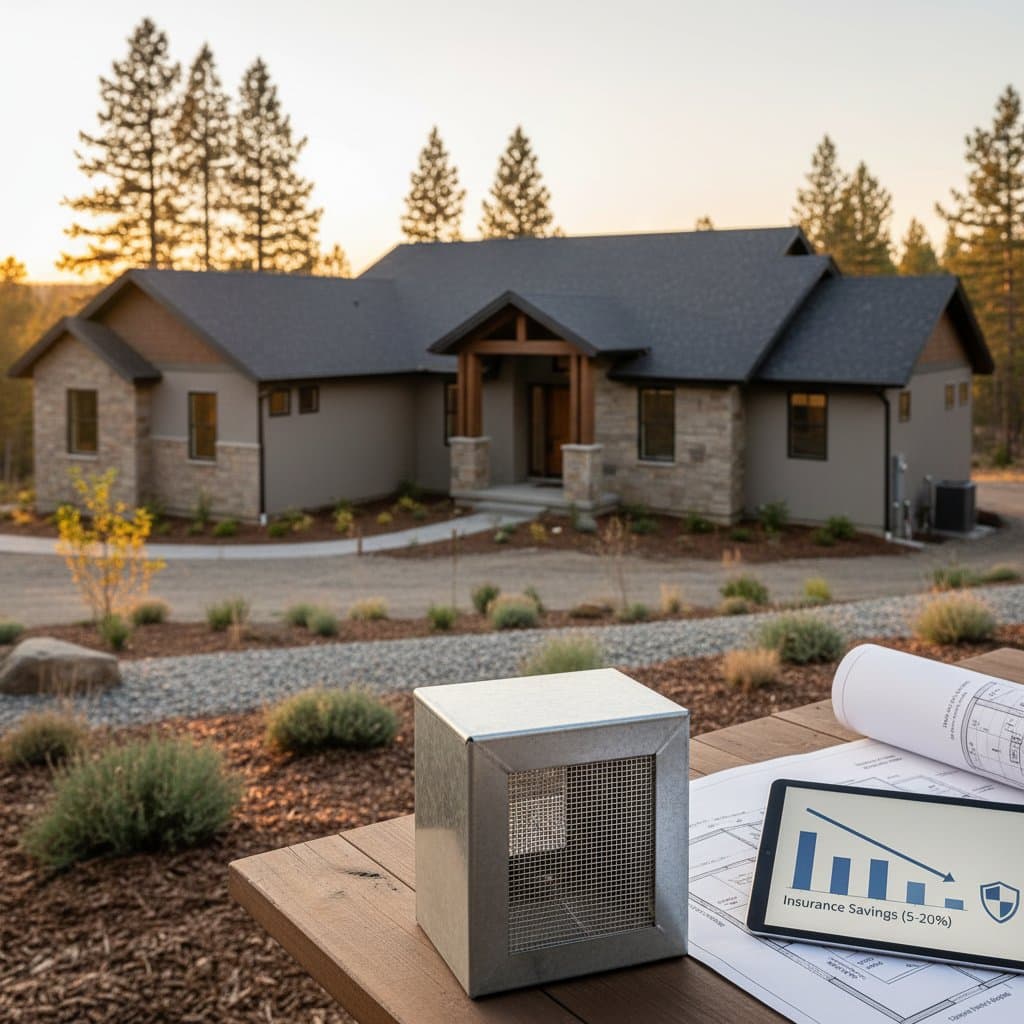
Ember-resistant vents equipped with fine mesh screens prevent particles larger than 1/8 inch from entering. Prioritize attic, crawlspace, and under-eave vents, which are frequent intrusion points during ember storms. A comprehensive retrofit for these areas typically costs $1,000 to $2,000 and delivers notable insurance advantages.
3. Siding and Wall Assemblies
Switch from flammable wood or vinyl siding to noncombustible alternatives such as fiber cement or stucco. These choices resist direct ignition and minimize radiant heat transfer. For an average single-story home, expenses fall between $8,000 and $20,000.
4. Decking and Fences
Wood decks frequently trap embers. Select noncombustible decking boards or apply fire-retardant coatings for protection. Installing a new composite deck suitable for wildfire zones costs $4,000 to $12,000. For fences connected to the home, replace the adjacent section with metal or masonry to eliminate fuel bridges.
5. Windows and Glazing
Tempered dual-pane windows withstand heat-induced shattering, protecting interior elements. Upgrade from older single-pane units at a cost of $6,000 to $15,000, and pair with metal or fiber cement trim for enhanced resilience.
Safety Considerations During Retrofit Work
Ember-hardening projects involve ladders, power tools, and substantial materials, presenting inherent risks. Adhere to these protocols to minimize hazards:
- Avoid roof work in isolation; employ fall protection gear and secure ladders firmly.
- Deactivate electrical circuits prior to modifying vents or siding near wiring.
- Wear appropriate respirators when cutting fiber cement siding or handling old insulation.
- Engage licensed contractors for structural and electrical alterations.
- Clear vegetation from work zones to mitigate fire risks during construction.
Professional installation guarantees that materials function as evaluated in fire tests. Faulty attachment or sealing may invalidate warranties and disqualify homes from insurance benefits.
Evaluating Return on Investment
Ember-resistant retrofits yield tangible financial and protective gains. Consider these benefits when assessing viability:
- Insurance premium reductions of hundreds to thousands of dollars each year, varying by insurer and upgrade scope.
- Property value appreciation of 3 to 8 percent in high-risk areas for homes with verified fire-hardening.
- Lower repair expenses following nearby wildfires, as these homes sustain minimal damage and avoid costs in the tens of thousands.
- Enhanced confidence in the home's ability to endure ember exposure throughout fire season.
While upfront investments appear substantial, cumulative savings from decreased premiums, fewer repairs, and elevated property values frequently recoup expenses within a decade.
Implementing Your Retrofit Plan
Initiate the process with a wildfire risk inspection or home hardening assessment from a certified contractor or local fire department. The resulting report highlights vulnerabilities and guides prioritization based on cost and effectiveness.
Solicit bids from multiple contractors, confirming their expertise in wildfire retrofits and commitment to authority-approved materials. Retain receipts, photographs, and records to share with your insurer.
Upon completion, request a mitigation review from your insurance provider. Approved changes usually take effect at the subsequent policy renewal.
These upgrades extend beyond basic safety; they fortify home resilience, safeguard investments, and yield sustained financial advantages through reduced insurance expenses. Proactive steps today prepare your property for wildfire seasons ahead, ensuring insurability, security, and future readiness.