Identifying Permit Red Flags in Contractor Proposals
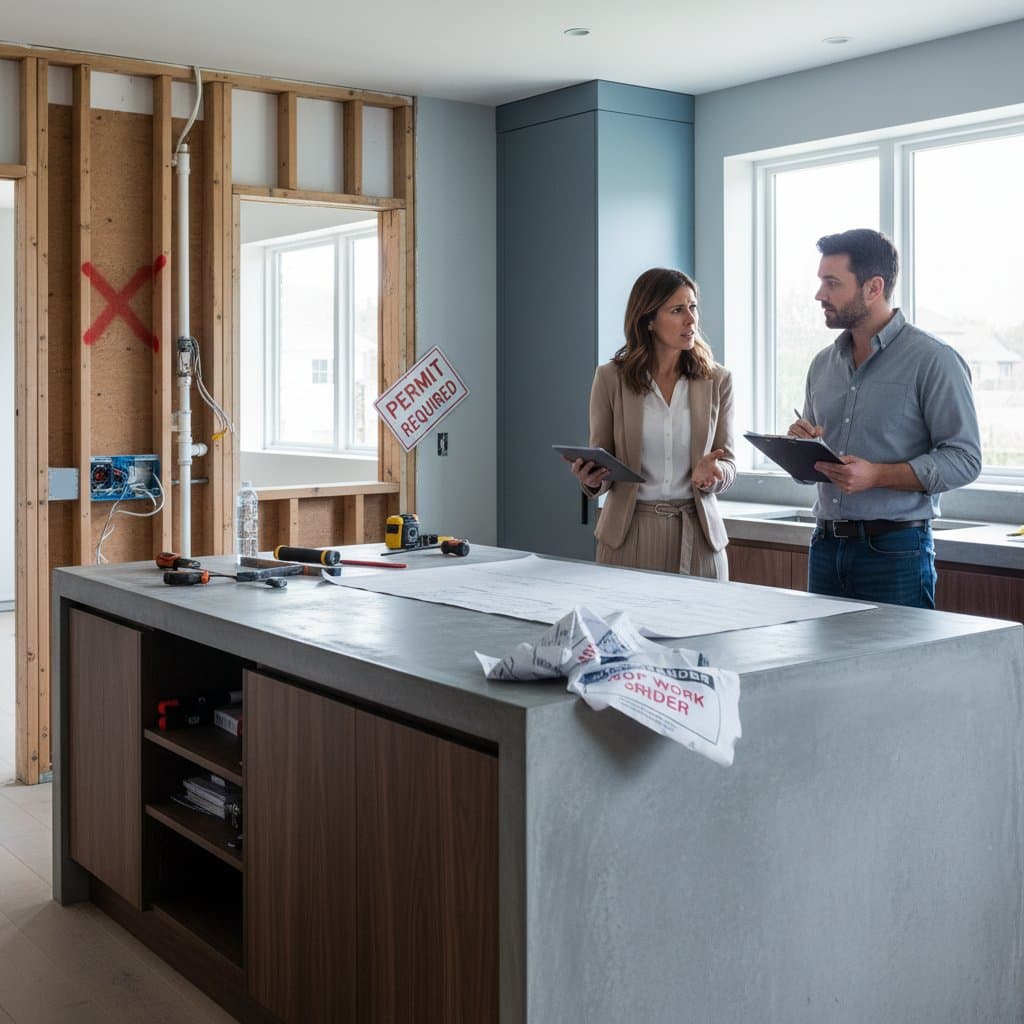
Homeowners often encounter contractors who downplay the importance of permits to expedite projects or reduce costs. Statements such as permits being unnecessary or handled informally signal potential issues. These oversights can trigger stop-work orders from local authorities, impose substantial fines, and compromise structural integrity. Homeowners must insist on full transparency regarding permit processes from the outset to avoid these pitfalls.
Examine contracts closely for explicit mentions of permit responsibilities. Legitimate contractors provide permit numbers early and share copies of applications. Vague language about inspections or approvals warrants immediate clarification. Request references from past clients and inquire specifically about permit experiences to gauge reliability.
Understanding the Risks of Permit Non-Compliance
Most residential projects, from electrical updates to structural additions, require permits to ensure adherence to building codes. Contractors may initiate work prematurely, submit incomplete applications, or bypass permits entirely to offer competitive pricing. However, local jurisdictions hold property owners accountable for violations, regardless of who initiated the error.
Consequences include monetary penalties ranging from hundreds to thousands of dollars, mandatory re-inspections, and in severe cases, partial or full demolition of unauthorized structures. Unpermitted work also voids insurance coverage and diminishes property value. Reputable contractors view permits as essential safeguards, integrating them seamlessly into project timelines and budgets.
Detailed Cost Analysis: Permits and Associated Expenses
Permit fees fluctuate based on location, project scope, and required reviews, yet they represent a minor fraction of total renovation expenses. Homeowners should allocate funds for initial filings, professional consultations, and potential corrections to maintain financial control.
Consider these typical ranges:
- Basic electrical or plumbing permits: $200 to $500
- Structural modifications or room additions: $1,000 to $3,000
- Engineering or plan review services: $300 to $1,200
- Re-inspection charges: $100 to $300 per occurrence
Retroactive permitting after discovery of violations often doubles standard fees and may necessitate hiring specialized consultants. To mitigate surprises, incorporate a 10 to 15 percent contingency into the overall budget specifically for compliance-related adjustments. Track all expenditures with receipts to facilitate disputes or insurance claims if issues arise.
Navigating Permit Timelines and Verification Processes
Processing times for permits vary by municipal workload and project intricacy, requiring proactive planning to prevent delays. Simple alterations typically clear in two to four weeks, while extensive remodels demand six to eight weeks. Projects in historic districts or environmentally sensitive areas often extend by an additional two to three weeks due to heightened scrutiny.
Homeowners benefit from monitoring progress at key intervals. Midway through construction, contact the local building department to confirm permit issuance and inspection scheduling. Many jurisdictions offer online portals for real-time status updates, eliminating reliance on contractor reports alone.
Expiration of permits during active projects halts legal work until renewal. Failure to address this promptly equates to operating without authorization, inviting further penalties. Schedule buffer time in contracts to accommodate these variables and maintain momentum.
Safeguarding Your Property Through Permit Management
Completion of a project marks the beginning of ongoing permit stewardship. Obtain and archive final inspection certificates alongside property records, as these documents validate code compliance during sales or loan appraisals.
Adopt these practices to sustain permit validity:
- Renew lapsed permits prior to commencing adjacent work.
- Maintain digital backups of all inspection documentation.
- Confirm contractor licensing status through state databases before each engagement.
- Monitor seasonal changes in local regulations via official announcements.
Neglecting these measures has led to transaction delays for sellers, where unresolved permit issues prompt buyer hesitancy. Routine verification, often achievable in minutes, preserves long-term asset value and peace of mind.
Implementing Protective Measures for Current and Future Projects
Suspicions of permit shortcuts demand immediate action. Halt work temporarily and reach out to the building department for verification of permit details, including type, current status, and inspection history.
Scrutinize the existing contract to ensure it specifies permit obligations, fee responsibilities, and inspection timelines. Insert provisions withholding final payments until official approval proofs are provided. For upcoming renovations, initiate contact with the permitting office to outline requirements and identify pre-vetted contractors.
Permits form the foundation of safe, compliant home improvements. By prioritizing verification and documentation, homeowners transform potential liabilities into assured protections, ensuring projects enhance rather than endanger their investments.