Spring 2025 Roof Inspection: 12 DIY Tips to Prevent Leaks and Save Costs
Home renovation expenses continue to rise nationwide, with roofing materials leading the increase. Tariffs and supply chain disruptions elevate prices, making even minor repairs more costly than in previous years. Addressing small problems early prevents them from escalating into major leaks, which proves essential for protecting your home.
From personal experience replacing an older roof, spring emerges as the optimal season for inspection and minor fixes. Mild weather facilitates work on shingles before intense summer rains arrive. This guide provides homeowners with 12 practical DIY steps to identify issues, perform basic maintenance, and avoid unnecessary expenditures.
The Importance of Spring Roof Inspections
Winter weather often leaves roofs with subtle damage, such as cracks, displaced shingles, or blocked gutters. These issues remain hidden until heavy rains cause water infiltration, harming insulation and interior surfaces. A thorough spring check serves as proactive protection against such expenses.
Asphalt shingles now average 140 dollars per square, while labor costs have increased by 15 percent since last season. Preventive measures during a single weekend far outweigh the price of extensive repairs. Early action preserves your roof's longevity and safeguards your budget.
12 DIY Inspection and Maintenance Tips
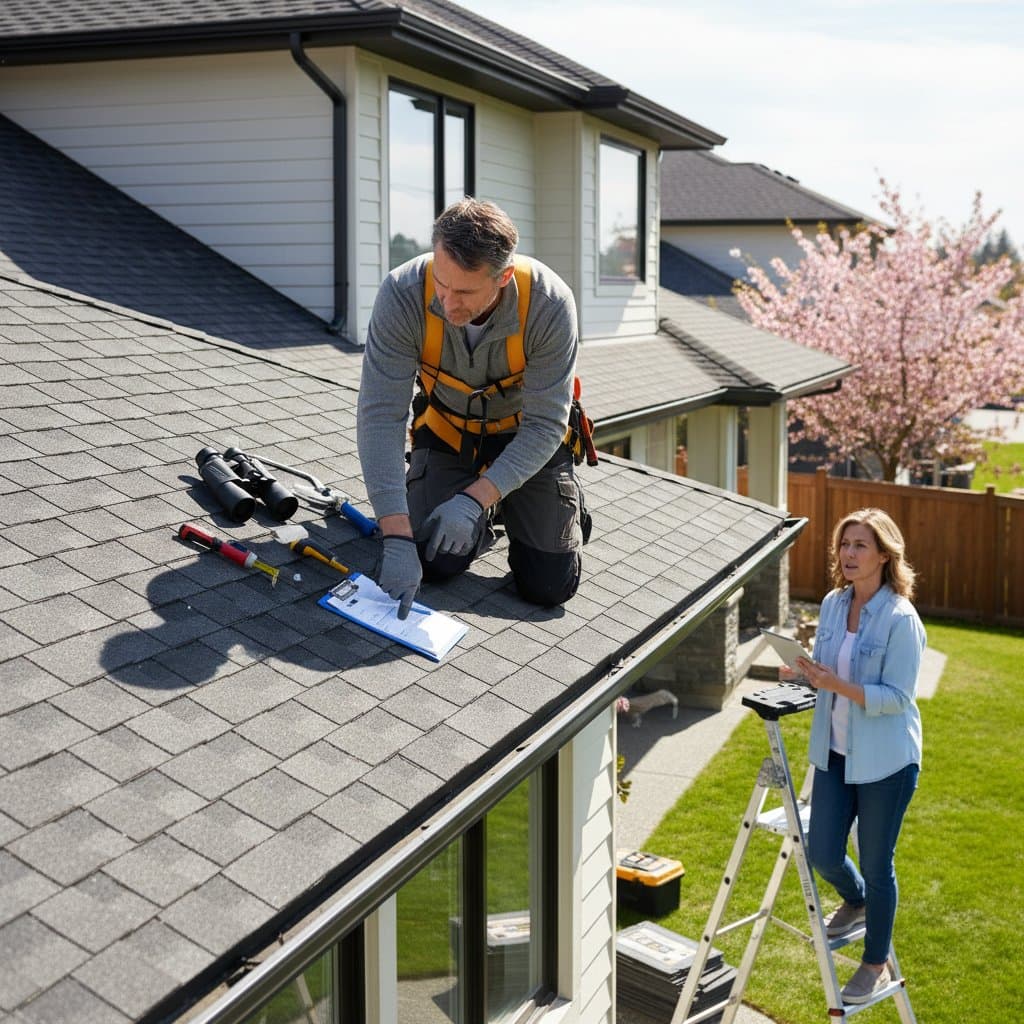
Follow these steps in sequence for a comprehensive evaluation. Gather basic tools like a ladder, gloves, binoculars, and a flashlight. Work safely, and consult professionals for any uncertain areas.
1. Conduct a Ground-Level Visual Scan
Begin by observing your roof from the ground using binoculars. Look for uneven surfaces, dark streaks, or sagging areas that indicate potential structural concerns. This initial assessment identifies urgent spots without climbing.
Time: 15 minutes
Cost: Free
Difficulty: 1/5
Professional Cost: Included in full inspection (200 to 400 dollars)
2. Check Gutters and Downspouts
Clogged gutters cause water to pool along the roof edge. Remove debris like leaves, twigs, and shingle granules. Install gutter guards if buildup recurs frequently, and ensure downspouts channel water at least five feet from the foundation.
Time: 1 hour
Cost: 20 to 50 dollars for guards
Difficulty: 2/5
Professional Cost: 150 to 300 dollars
3. Inspect Flashing Around Chimneys and Vents
Flashing seals joints where the roof meets vertical surfaces. Examine for rust, cracks, or separation. Apply sealant to minor gaps, but replace deteriorated sections to prevent water entry.
Time: 30 minutes
Cost: 10 to 30 dollars for sealant
Difficulty: 2/5
Professional Cost: 200 to 500 dollars
4. Look for Lifted or Missing Shingles
Winds lift shingles, exposing underlying layers. Gently reposition loose ones and secure with roofing nails and adhesive. If curling or granule loss appears extensive, prepare for replacement planning.
Time: 1 to 2 hours
Cost: 30 to 100 dollars for shingle bundles
Difficulty: 3/5
Professional Cost: 400 to 800 dollars
5. Examine Roof Valleys and Edges
Valleys channel water runoff and often wear first. Check for cracks in the underlayment or displaced materials. Patch small tears with roofing cement to maintain waterproofing.
Time: 45 minutes
Cost: 15 to 40 dollars for cement
Difficulty: 3/5
Professional Cost: 300 to 600 dollars
6. Examine Attic and Ceiling for Moisture
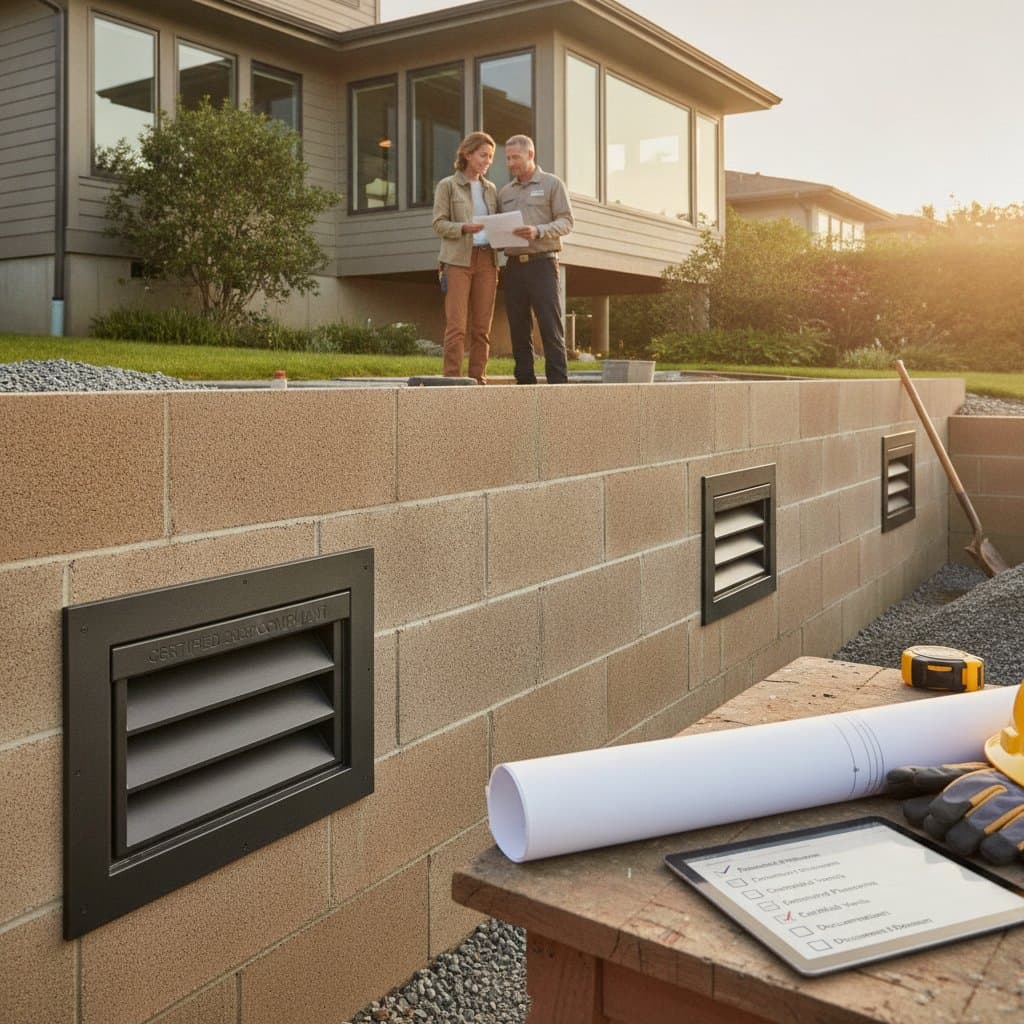
Inside, inspect insulation for dampness, rafters for discoloration, and ceilings for stains. These signs signal leaks. Add attic vents to reduce humidity and prolong shingle durability.
Time: 30 minutes
Cost: 40 to 100 dollars for vents
Difficulty: 2/5
Professional Cost: 300 to 700 dollars
7. Assess Granule Loss on Shingles
Granules protect against UV damage; their absence accelerates deterioration. Sweep loose particles and note bald spots. Significant loss suggests nearing the end of the roof's life.
Time: 20 minutes
Cost: Free
Difficulty: 1/5
Professional Cost: Part of full assessment (150 to 350 dollars)
8. Clean Moss and Algae Growth
Moss retains moisture, shortening shingle lifespan. Prepare a solution of one part bleach to three parts water, scrub lightly with a soft brush, and rinse well. Pressure washers damage protective granules.
Time: 1 hour
Cost: 20 dollars for supplies
Difficulty: 3/5
Professional Cost: 350 to 600 dollars
9. Check Skylights and Solar Installations
If present, inspect seals around skylights or panels for cracks. Tighten loose fittings and reseal with silicone. These features demand regular attention to avoid leaks.
Time: 30 minutes
Cost: 10 to 30 dollars for sealant
Difficulty: 2/5
Professional Cost: 250 to 500 dollars
10. Inspect Roof Penetrations
Vents, mounts, and fans feature rubber seals that crack over time. Inspect plumbing vents and exhausts, replacing any deteriorated boots promptly.
Time: 45 minutes
Cost: 15 to 50 dollars per boot
Difficulty: 3/5
Professional Cost: 200 to 400 dollars
11. Evaluate Ventilation Systems
Proper airflow prevents heat buildup and moisture. Check ridge vents and soffit intakes for blockages. Clear obstructions to ensure balanced circulation throughout the attic.
Time: 30 minutes
Cost: Free to 50 dollars for cleaning tools
Difficulty: 2/5
Professional Cost: 200 to 450 dollars
12. Document All Findings
Photograph conditions before and after interventions. Maintain a digital log for insurance purposes and home valuation. This record tracks progressive wear effectively.
Time: 20 minutes
Cost: Free
Difficulty: 1/5
Professional Cost: None
Optimal Timing for Your Inspection
Schedule early in spring when temperatures remain moderate, allowing flexible shingle handling. Delays into late spring lead to contractor backlogs and rising material costs. Secure quotes promptly if issues arise, as lead times range from two to six weeks regionally.
Obtain three estimates from certified local roofers to evaluate services and availability.
Understanding 2025 Roofing Costs
Prices fluctuate due to global factors. Asphalt shingles have increased by 12 percent, metal options by 20 percent, and underlayment similarly. These trends underscore the value of maintenance.
Investing 300 dollars in spring care often averts 5,000 dollars or more in repairs. For roofs approaching lifespan limits, use this period to strategize replacements methodically.
Sustaining Roof Longevity
Regular upkeep extends roof performance for decades. Early detection safeguards not only shingles but also structural elements and interior components. It ensures confidence during stormy periods.
Program annual reminders for inspections. Organize photos, receipts, and observations in yearly digital files. This practice monitors trends and enhances property appeal.
For extensive damage indicators, engage certified roofers. They employ tools like thermal imaging to uncover concealed moisture beyond visual detection.
Steps to Secure Your Roof Now
Implement these tips to fortify your home against seasonal threats. Proactive effort yields lasting protection and financial savings. Begin your inspection this weekend to stay prepared.