Key Takeaways
- Spring inspections identify winter damage before it leads to five-figure repair costs.
- Prioritize roofs, gutters, foundations, and plumbing systems during checks.
- Weekend maintenance tasks frequently prevent expenses that accumulate over time.
The Importance of Spring Home Inspections
Spring brings the emergence of winter's concealed damage. A targeted inspection at this time addresses minor problems before they develop into significant water intrusion or structural concerns. Dedicate a few hours to examining your roof, drainage features, and essential systems to maintain your property's integrity and control repair expenses.
Cost Highlights
- Roof leak repairs average $350 to $1,200 when addressed promptly.
- Foundation crack repairs range from $500 to $3,000 if contained early.
- Water damage restoration costs $4,000 to $10,000 after neglect.
- Gutter replacements run $1,500 to $2,500 once corrosion advances.
These figures illustrate expenses that remain manageable with proactive seasonal care.
Inspecting Your Roof: Start Here
Examine shingles and flashing closely. Search for loose, lifted, or absent sections that indicate potential water entry points. From ground level, observe irregular patches or sagging spots. If safe to climb, scrutinize areas around vents and chimneys, common origins of leaks.
A minor flashing crack or absent shingle permits gradual leaks that degrade decking and insulation. Replace individual shingles for less than $100. Delay action, and full roof replacement may exceed $10,000 after prolonged exposure.
Evaluating Gutters and Downspouts
Gutters and downspouts direct water away from your home effectively. Blockages cause overflow that infiltrates under shingles or along walls, fostering mold growth or foundation strain. Clean gutters thoroughly each spring and ensure downspouts direct water at least four feet from the structure.
Signs of trouble include peeling paint near eaves or pooled water by the foundation base. Use a gutter scoop, garden hose, and an afternoon to clear debris, safeguarding your home's framework for years.
Identifying Foundation and Drainage Problems
Scan for fine cracks, uneven flooring, or sticking doors and windows. Such indicators often stem from shifting soil or inadequate grading. Seal minor cracks with epoxy and adjust soil grading to direct water away from the foundation.
Neglect escalates costs into thousands for comprehensive repairs, whereas initial interventions prove inexpensive. Consider installing or clearing French drains to manage runoff efficiently.
Examining Plumbing and Appliances
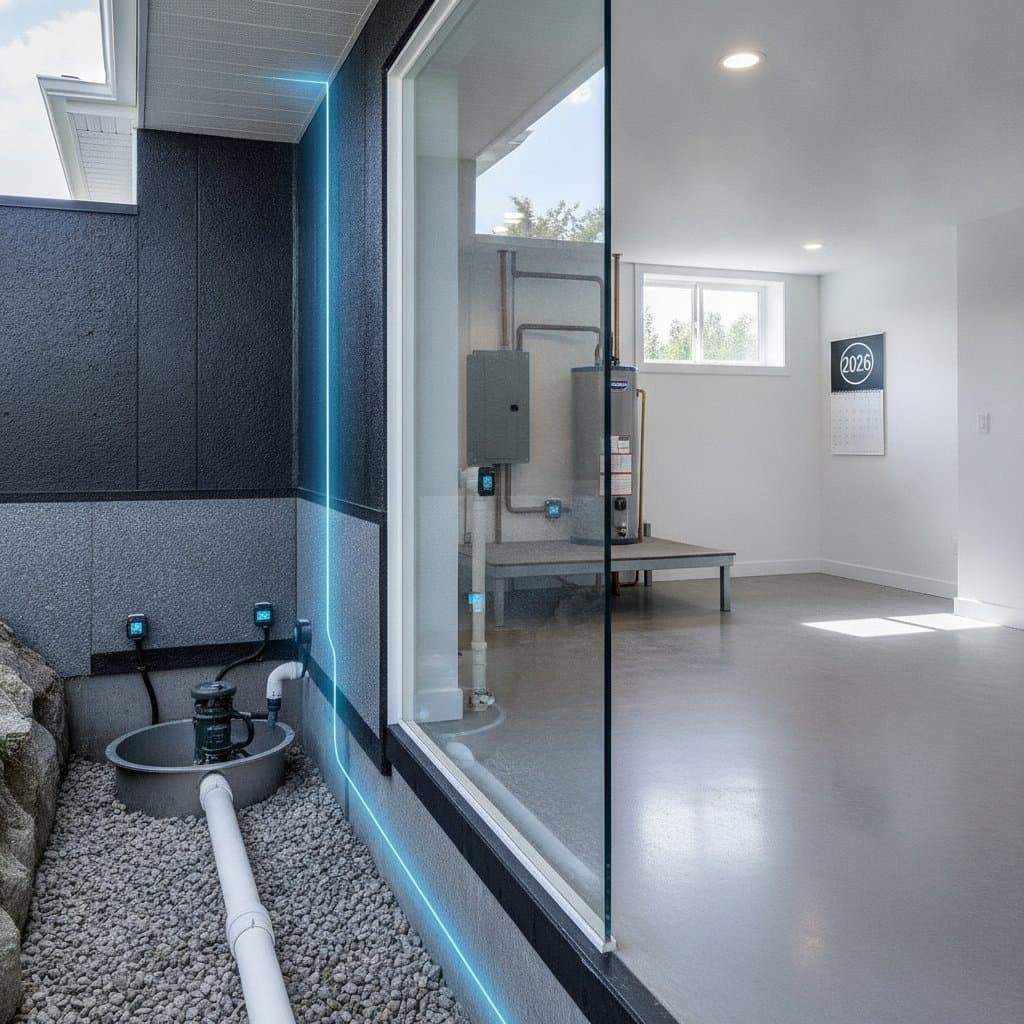
Temperature fluctuations in spring strain pipes, particularly in crawl spaces or outer walls. Inspect for moisture buildup, rust, or drips beneath sinks and near water heaters. Verify sump pump operation by adding water until activation occurs.
Review hoses on appliances like washers and dishwashers for wear. Replace deteriorated lines for under $30 to avoid sudden bursts that flood interiors. Overlook them, and expenses for flooring, drywall, and cabinets mount rapidly.
Addressing Exterior and Yard Maintenance
Assess your yard following heavy rainfall for standing water, signaling grading adjustments. Trim plants away from siding to promote airflow and rapid drying. Wash siding gently with a mild solution to eliminate mildew at its onset.
Reseal wood decks annually or biennially against moisture penetration. A single gallon of sealant costs little compared to later replacements of warped boards or supports.
Homeowner FAQs
How frequently should you inspect the roof?
Conduct checks each spring and immediately after severe storms. Early detection averts leaks and internal harm.
Do gutters require cleaning with protective covers installed?
Affirmative, as small particles penetrate covers. A spring rinse ensures proper water flow.
Steps to Maintain Your Home's Resilience
Approach spring tasks as investments in your home's longevity and comfort. Systematically review roof, gutters, drainage, and plumbing to avert substantial costs and ensure reliability. Integrate these practices into your routine to withstand future weather challenges effectively.