Kitchen Cabinet Costs Surge 40 Percent in 2025: Understanding the Shift
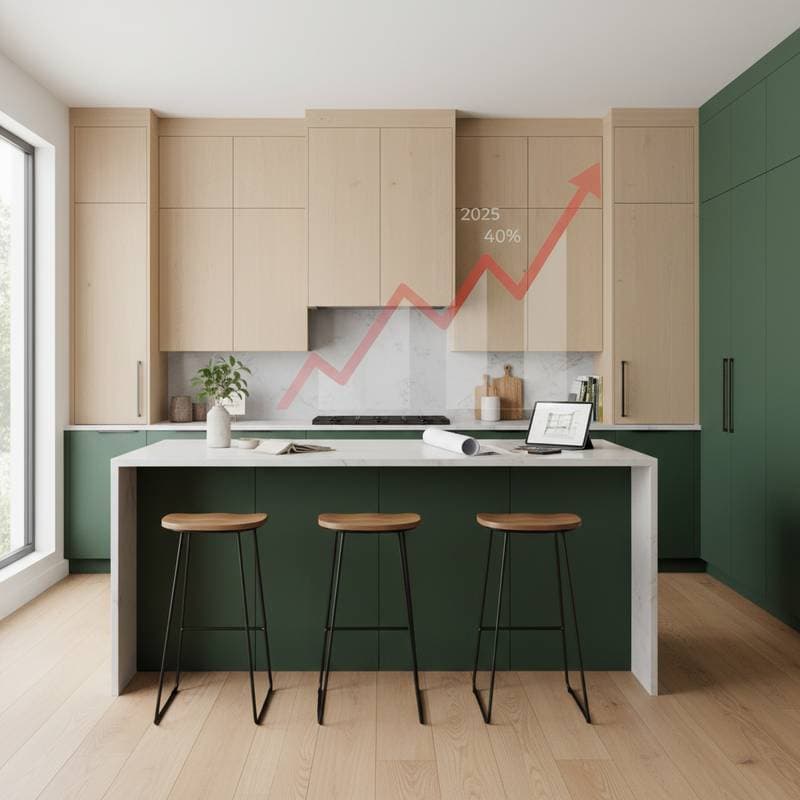
Homeowners planning kitchen renovations face a new economic landscape in 2025. Cabinet prices have risen by nearly 40 percent, reshaping budgets and design choices. These essential components represent about one-third of total kitchen expenses, influencing decisions on layouts, materials, and finishes. Grasping the reasons behind this increase enables better planning to achieve durable, functional kitchens without exceeding financial limits.
Factors Driving the Cabinet Price Increase
Cabinets serve as more than storage solutions; they function as robust systems built to withstand moisture, temperature changes, and regular use. Production relies on materials such as plywood, medium-density fiberboard, solid wood, and laminates, each affected by global supply issues and elevated transportation expenses.
Three primary elements contribute to the 40 percent escalation:
- Rising material costs: Supplies of veneers, adhesives, and protective finishes remain constrained, pushing prices upward.
- Labor challenges: A shortage of trained cabinetmakers and installers elevates both production and on-site labor fees.
- Energy demands in manufacturing: Processes like drying wood, applying finishes, and curing adhesives consume significant power, making costs vulnerable to fluctuating energy prices.
This rapid rise outpaces changes in other kitchen elements, prompting designers and homeowners to rethink budget allocations for optimal results.
Types of Cabinet Systems
Selecting the appropriate cabinet type aligns with space needs, budget constraints, and aesthetic preferences. Each category offers distinct advantages in customization, durability, and installation ease.
Modular Cabinets
Prefabricated in standard dimensions for straightforward assembly.
- Key features: Depths of 18 to 24 inches and heights from 30 to 42 inches.
- Strengths: Rapid setup with minimal adjustments required.
- Ideal applications: Apartments, rental units, or projects with tight timelines and moderate funding.
Semi-Custom Cabinets
These provide flexibility through size adjustments and varied finish options.
- Key features: Carcasses constructed from plywood or medium-density fiberboard, including adjustable interior shelving.
- Strengths: Enhanced adaptation to room dimensions and personal style.
- Ideal applications: Standard home kitchens aiming for cost-effective customization.
Custom Cabinets
Tailored precisely to unique spatial requirements and storage demands.
- Key features: Customizable box thicknesses, solid wood reinforcements, and advanced joinery techniques.
- Strengths: Superior longevity and resistance to environmental stresses.
- Ideal applications: Luxury residences or spaces with non-standard architecture.
Aligning Cabinets with Home Systems
Replacing cabinets frequently necessitates updates to related infrastructure. Electrical wiring, lighting fixtures, and plumbing lines may require relocation to accommodate new configurations. Substantial cabinets, particularly those made from dense hardwoods, demand reinforced wall supports to prevent sagging or damage.
In homes equipped with built-in ventilation or automated appliances, cabinet designs must incorporate pathways for wiring and areas for proper airflow. Thoughtful planning prevents interference with device operations, extending the service life of cabinets and integrated features alike.
Key Aspects of Professional Installation
Successful cabinet installation hinges on meticulous leveling, secure anchoring, and precise alignment with floors and walls. Variations in building frames or subfloor surfaces can extend installation time and costs. Professionals recommend employing moisture-resistant backing materials and rust-proof hardware, especially in high-humidity environments.
For intricate designs involving embedded lighting or specialized storage, collaboration with certified carpenters or kitchen specialists ensures seamless execution and enduring performance.
Practical Approaches to 2025 Kitchen Updates
Elevated cabinet prices need not halt renovation ambitions. Strategic choices allow preservation of vision while controlling expenditures.
- Blend material grades: Pair high-quality wall cabinets with economical stock bases for visual appeal at reduced cost.
- Opt for streamlined designs: Select slab-style doors coated in resilient laminates over ornate carvings to save on production expenses.
- Maximize space utilization: Incorporate drawer organizers and corner access solutions to boost utility without enlarging the area.
- Anticipate timelines: Place orders well in advance to lock in current rates and sidestep delays from supply backlogs.
- Explore incentives: Investigate local programs that reward choices in eco-friendly woods or regionally produced components.
Achieving Lasting Value in Your Remodel
The 2025 cabinet cost dynamics highlight the importance of informed decisions in kitchen projects. By addressing material trends, system compatibilities, and installation best practices, homeowners secure renovations that deliver functionality, style, and financial prudence. These adaptations not only mitigate immediate budget pressures but also enhance home efficiency and resale potential over time.