Granny Pod Costs in 2025: A Comprehensive Backyard Living Guide
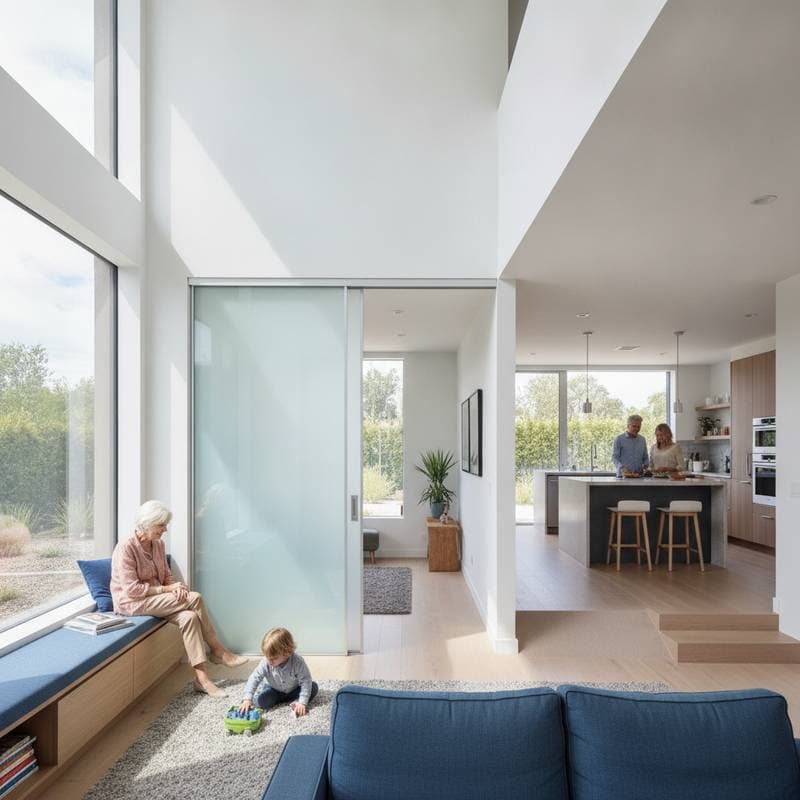
Home renovation trends emphasize adaptable, family-oriented designs. Among these, granny pods stand out as compact backyard cottages that promote independence for aging parents while maintaining family proximity. These accessory dwelling units (ADUs) require careful financial planning, especially as costs have escalated significantly since 2023.
Understanding current pricing helps families approach projects with realistic expectations. Recent builds reveal expenses influenced by multiple variables, from materials to local regulations. This guide breaks down the essentials to support informed decision-making.
Factors Influencing Current Granny Pod Pricing
Construction costs for small homes fluctuate with broader economic conditions. Lumber prices have leveled off after previous spikes, but tariffs on imported appliances, fixtures, and electrical parts continue to elevate overall budgets. Prefabricated options mitigate some rises, though end users absorb the remainder through higher quotes.
Labor availability poses another challenge. Skilled tradespeople face high demand, leading to extended wait times and premium rates. Families planning a granny pod should anticipate a 15 to 25 percent increase compared to 2023 estimates. These factors combine to push total project costs upward, demanding proactive budgeting.
Transportation and site-specific expenses often surprise builders. For instance, delivering prefab modules may involve crane services and utility connections that add several thousand dollars. Accounting for these elements ensures a more accurate financial projection.
Balancing DIY Efforts with Professional Expertise
Some families reduce expenses by handling select tasks independently. Suitable activities include interior painting, trim installation, and basic landscaping, which can lower costs without compromising quality. These efforts require basic tools and time but yield visible savings.
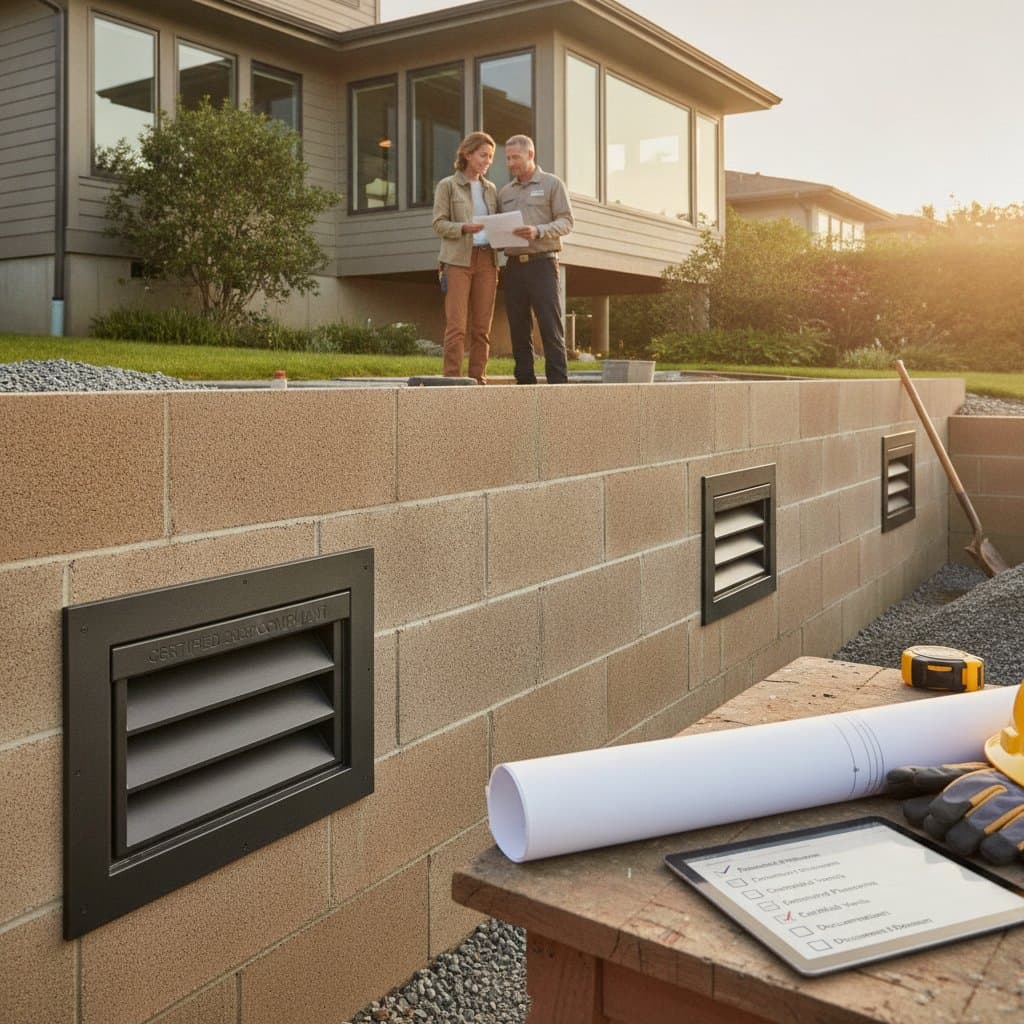
However, core structural and systems work demands certified professionals. Local building codes mandate licensed oversight for framing, plumbing, electrical installations, and HVAC setups. Attempting these without expertise risks failed inspections, costly rework, and project delays extending months.
Recommended DIY Tasks:
- Interior painting and trim application
- Landscaping features and access paths
- Non-structural fixture placements following professional groundwork
Essential Professional Services:
- Foundation preparation and concrete slab pouring
- Electrical systems and panel configurations
- Plumbing integrations with primary residence utilities
- Heating, ventilation, and air conditioning installations
To proceed confidently, obtain quotes from at least three local contractors. Inquire about their strategies for navigating material shortages and supply chain issues. Established firms typically maintain supplier networks that streamline procurement.
Optimizing Project Timing for Cost Control
Selecting the right season minimizes disruptions and expenses. Spring and early fall offer favorable conditions, with contractors experiencing lighter schedules and reduced weather-related interruptions. Initiating prefab orders or modular components ahead secures current rates against future hikes.
Many suppliers provide price-lock options for early deposits, potentially saving thousands amid volatile markets. Permitting processes vary by location; some areas impose extended reviews or ADU-specific energy efficiency evaluations. Families should submit applications 8 to 12 weeks prior to construction start.
Overall timelines range from 10 to 20 weeks, factoring in delivery logistics and environmental variables. Early coordination with authorities and builders aligns schedules and avoids premium rush fees.
Developing a Solid Budget Framework
View the granny pod as a fully functional miniature residence rather than a basic outbuilding. Including utilities, insulation, and finishes, costs per square foot typically fall between $250 and $400. Units smaller than 400 square feet incur higher relative expenses, as fixed costs like permits and core systems remain constant.
Incorporating a compact kitchen or complete bathroom enhances livability but increases outlays. These additions support privacy and appeal to future buyers or renters.
Budget Breakdown for a 400-Square-Foot Granny Pod
| Item | Cost Estimate |
|---|---|
| Site preparation and foundation | $12,000 |
| Structure (prefabricated or site-built) | $65,000 |
| Plumbing and electrical systems | $18,000 |
| Interior finishes and fixtures | $22,000 |
| Permits, designs, and fees | $6,000 |
| Contingency reserve (10%) | $12,000 |
| Total | $135,000 |
Adjust this template based on regional rates and custom features. Always allocate extra funds for unforeseen adjustments.
Assessing Return on Investment and Future Benefits
Quality granny pods boost property values by 20 to 30 percent in ADU-friendly markets. This appreciation stems from added living space and multigenerational appeal. Post-parent use, the unit can generate rental revenue or serve as an office or guest area.
Energy-efficient designs reduce ongoing utilities through superior insulation and modern systems. These features maintain comfort across seasons with lower energy demands. Consult insurance providers to update policies, treating the ADU as a distinct entity.
Financing options like home equity loans or specialized renovations spread payments affordably. Evaluate eligibility early to integrate into the overall plan.
Steps to Launch Your Granny Pod Project
Begin by defining project objectives, such as family support, income potential, or versatile use. Research local ADU zoning to confirm feasibility. Collect detailed proposals from three or more licensed builders familiar with regulations.
Establish a budget with a 10 to 15 percent buffer for variables. Time the build for optimal weather, secure permits promptly, and maintain regular contractor updates. This structured approach delivers a durable, value-adding addition to your home.