Granny Pod Costs: $90K–$280K Breakdown for 2025
Granny pods provide a practical solution for multigenerational living. These compact backyard dwellings allow elderly family members to maintain independence while staying close to support. Costs range from $90,000 to $280,000 in 2025, depending on design choices and installation factors.
Prefab models offer affordability and quick setup, typically between $90,000 and $160,000. Custom builds provide personalization but escalate prices toward $280,000. Understanding these elements helps families budget effectively for long-term care needs.
Understanding Granny Pods
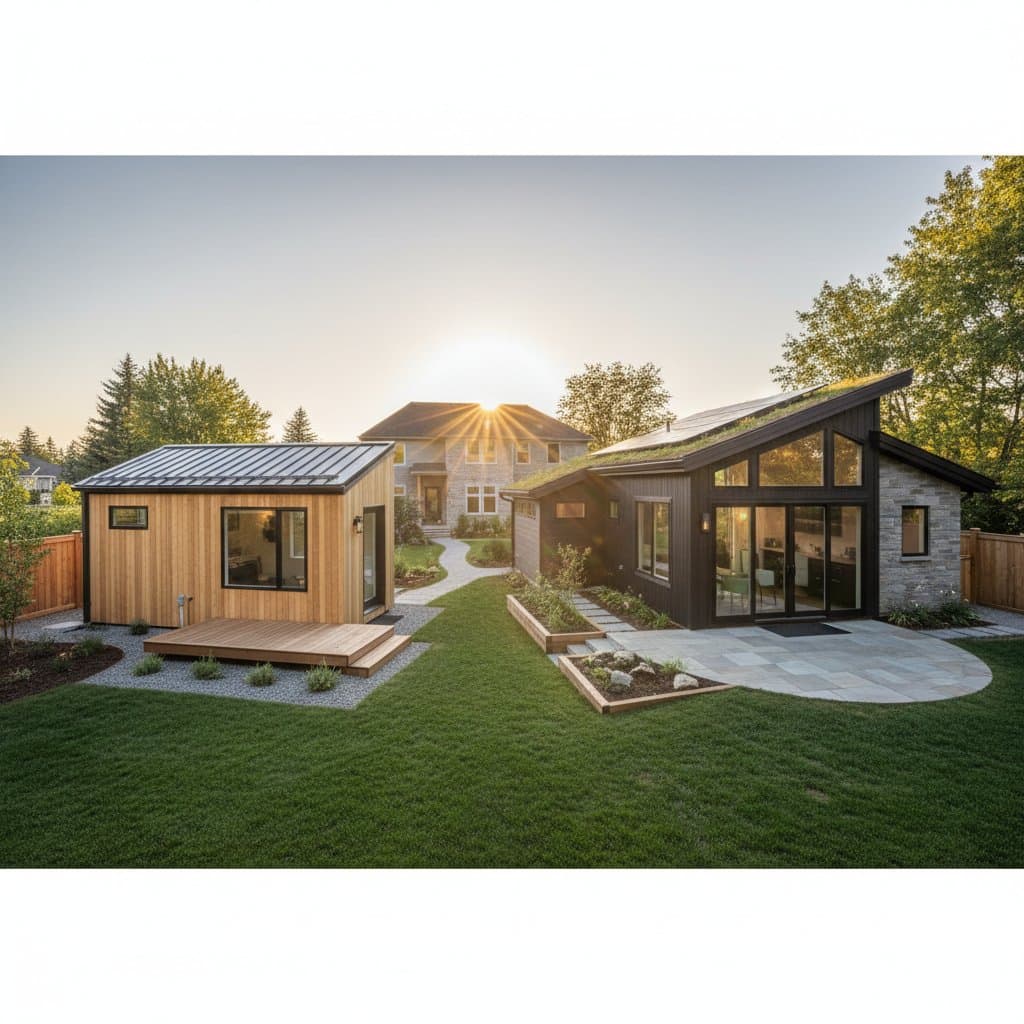
Granny pods, also known as accessory dwelling units or in-law suites, consist of small, self-contained homes installed in backyards. They range from 200 to 800 square feet and include essential features like bedrooms, bathrooms, and kitchens. Families choose these structures to balance privacy with accessibility, especially as aging populations require nearby assistance.
Local zoning laws influence feasibility, with many areas now permitting such units to address housing shortages. Installation requires professional assessment of the property to ensure stability and compliance. This foundational knowledge sets the stage for informed cost planning.
Prefab Granny Pods: Speed and Simplicity at $90K–$160K
Prefabricated granny pods arrive in modular sections, assembled on-site within weeks. Basic models start at $90,000, covering a 400-square-foot unit with standard appliances and finishes. These options suit families seeking immediate solutions without extensive construction disruption.
Mid-range prefab units, priced from $120,000 to $160,000, add enhancements like energy-efficient windows and expanded living spaces. Manufacturers handle most design elements, reducing decision fatigue. Delivery and basic setup contribute about 20 percent to the total cost.
Custom Granny Pods: Flexibility Up to $280K
Custom designs allow tailoring to specific needs, such as wheelchair accessibility or integrated smart home systems. Prices begin at $160,000 for semi-custom options and climb to $280,000 for fully bespoke builds. Architects collaborate with families to incorporate unique features, ensuring the pod aligns with the main home's aesthetic.
Construction timelines extend to several months, involving on-site building and material sourcing. High-end finishes, like hardwood floors and custom cabinetry, drive costs higher. This approach benefits families planning for decades of use, prioritizing durability and comfort.
Key Factors Influencing Costs
Site preparation forms a significant expense, often 10 to 15 percent of the budget. Leveling the ground, removing obstacles, and installing foundations add $10,000 to $30,000, depending on terrain. Professionals recommend soil tests to avoid future issues.
Permits and regulations vary by location, with fees ranging from $5,000 to $15,000. Urban areas impose stricter codes, including setbacks and environmental reviews. Consulting local authorities early prevents delays and unexpected charges.
Utility connections represent another major line item, costing $15,000 to $40,000. Extending electricity, water, and sewer lines requires licensed contractors. Solar panels or septic systems offer alternatives in remote setups, potentially saving on ongoing bills.
Interior and exterior finishes impact the final price by 20 to 30 percent. Standard options keep expenses low, while premium selections like granite countertops elevate luxury. Exterior materials, such as siding or roofing, must withstand local weather conditions for longevity.
Strategies to Reduce Expenses
Opt for prefab units to cut labor costs by up to 40 percent compared to custom builds. Select energy-efficient models eligible for rebates, which can offset $5,000 to $10,000. Government incentives for aging-in-place modifications further lower the net investment.
Bundle services with a single contractor for site prep, utilities, and installation to negotiate discounts. Choose versatile designs that adapt over time, avoiding costly renovations later. Financing options, including home equity loans, spread payments without straining immediate resources.
Design Tips for Optimal Functionality
Prioritize universal design principles, such as wide doorways and lever handles, to accommodate mobility changes. Allocate space efficiently: dedicate 40 percent to living areas, 30 percent to sleeping quarters, and the rest to utilities. Natural light through large windows enhances well-being and reduces lighting needs.
Integrate the pod with the family home via shared pathways or visual connections. Select durable, low-maintenance materials to minimize upkeep. Consult ergonomics experts to ensure the layout supports daily routines comfortably.
Selecting the Best Option for Your Family
Assess immediate versus long-term needs when deciding between prefab and custom. Families with tight timelines favor prefab for its reliability and lower upfront costs. Those valuing personalization invest in custom for tailored comfort and resale potential.
Conduct a family discussion to align on priorities, then obtain multiple quotes from reputable builders. Factor in property value increases, as granny pods often boost home equity by 10 to 20 percent. This decision supports healthier, closer family dynamics.
Planning Ahead for Multigenerational Living
Investing in a granny pod secures independence and peace of mind for aging loved ones. By navigating costs thoughtfully, families create spaces that foster connection without compromise. Start with a site evaluation today to turn this vision into reality.