2025 Multigenerational Remodel Costs: Essential Insights and Budget Guide
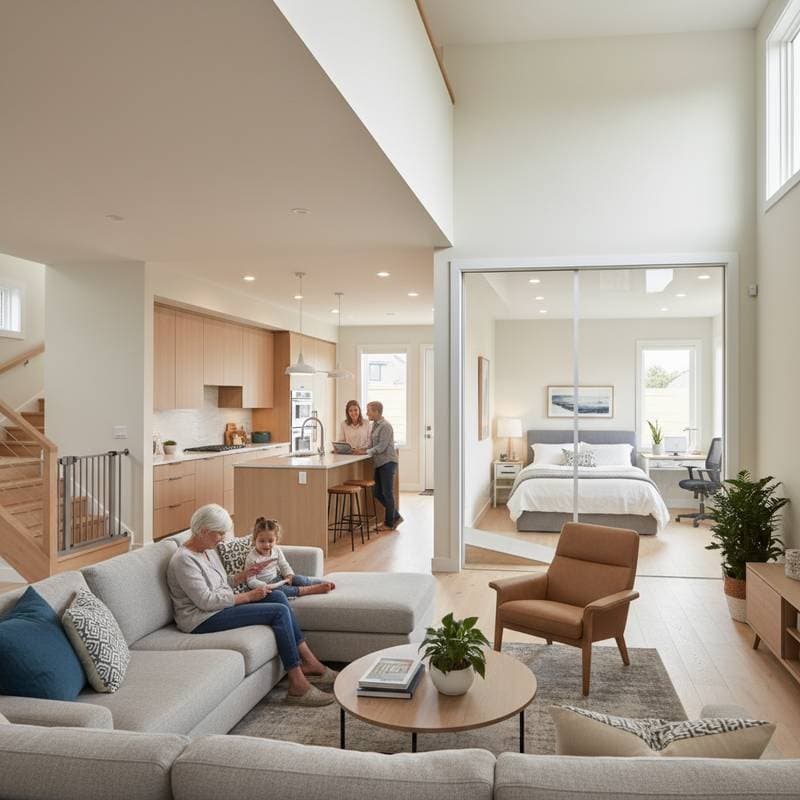
Homeownership frequently requires adjustments to accommodate evolving family dynamics. Families increasingly convert residences into multigenerational environments where parents, adult children, and grandparents coexist harmoniously. Such arrangements enhance familial relationships, lower household expenditures, and offer reassurance via mutual assistance. The primary concern, however, remains financial: what are the actual expenses for a multigenerational remodel, and which elements determine the total investment?
This resource details precise figures, budget-influencing decisions, and strategies to render the project feasible, economical, and suitable for all occupants.
Key Types of Multigenerational Remodels
Multigenerational residences vary in configuration. Certain families opt for communal areas, while others seek distinct private zones. Identifying primary configurations aids in precise cost forecasting.
Shared Living with Modifications
This approach entails subtle enhancements to current layouts. Examples include installing grab bars in bathrooms, expanding doorways to 36 inches for wheelchair access, or adding a compact kitchenette in an underutilized corner.
Typical cost range: $5,000 to $20,000. Budgets remain manageable when avoiding extensive structural alterations.
Basement or Garage Conversions
Repurposing a basement or garage into an independent suite proves common. Existing enclosures minimize foundational expenses, though investments focus on plumbing lines for a full bathroom, enhanced insulation for energy efficiency, and ventilation systems to maintain air quality.
Typical cost range: $25,000 to $75,000, scaling with inclusions like a complete kitchen or separate entrance.
Full In-Law Suite Additions
This extensive variant incorporates a dedicated bedroom, full bathroom, kitchen space, and sitting area. Features such as private access points, acoustic insulation for privacy, and universal design elements elevate usability but also expenses.
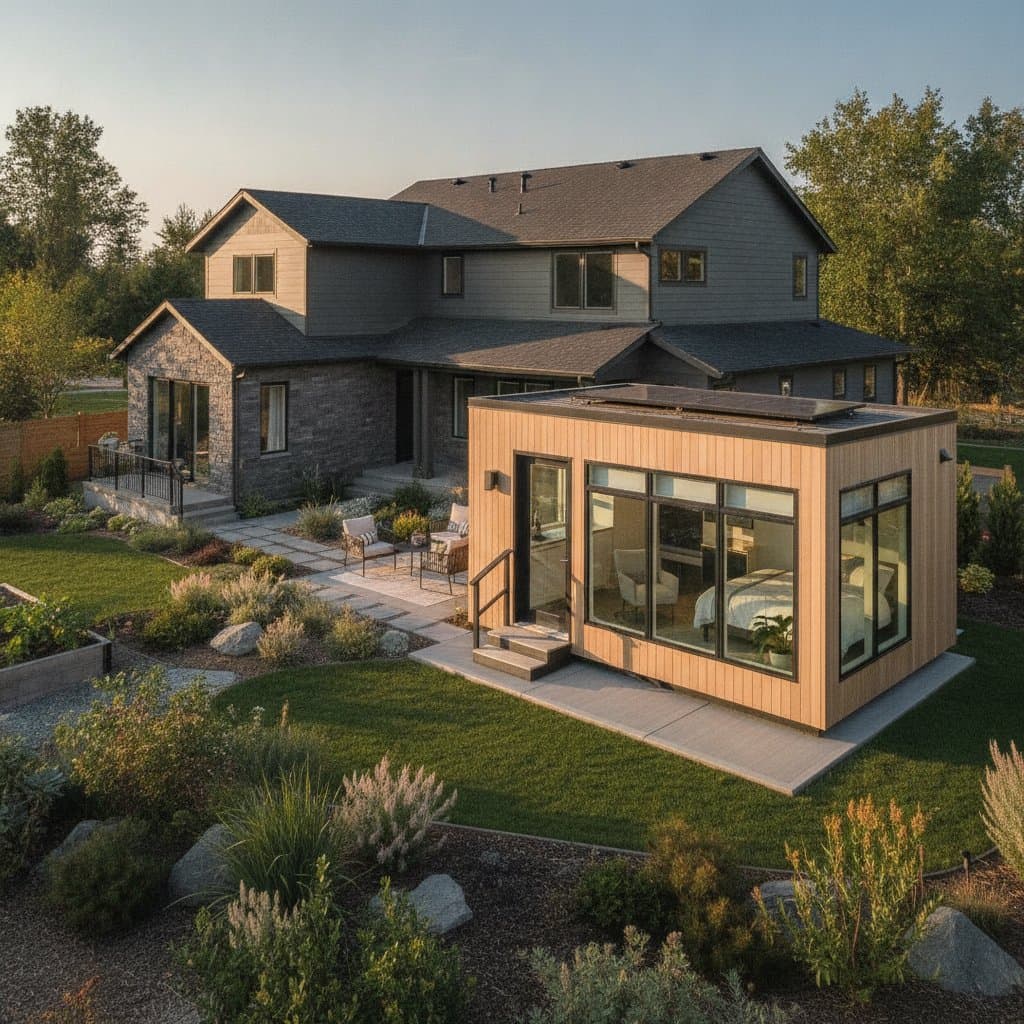
Typical cost range: $80,000 to $150,000 or more, particularly with requirements for new footings or extended utility connections.
Homeowner Essentials
Difficulty Level: Intermediate
Time and Tools Needed: Projects span weeks to months. Essential items include basic hand tools, a tape measure, power drill, paint supplies, and safety equipment. Larger endeavors necessitate certified professionals.
When to DIY: Suitable for painting interiors, laying basic flooring, swapping light fixtures, and simple woodworking tasks.
When to Call a Pro: Essential for electrical upgrades, plumbing installations, load-bearing adjustments, and heating, ventilation, and air conditioning revisions.
Estimated Costs: Minor tweaks begin at $2,000 to $5,000. Comprehensive additions escalate to $100,000 plus, factoring design fees and labor.
Strategic Planning from the Start
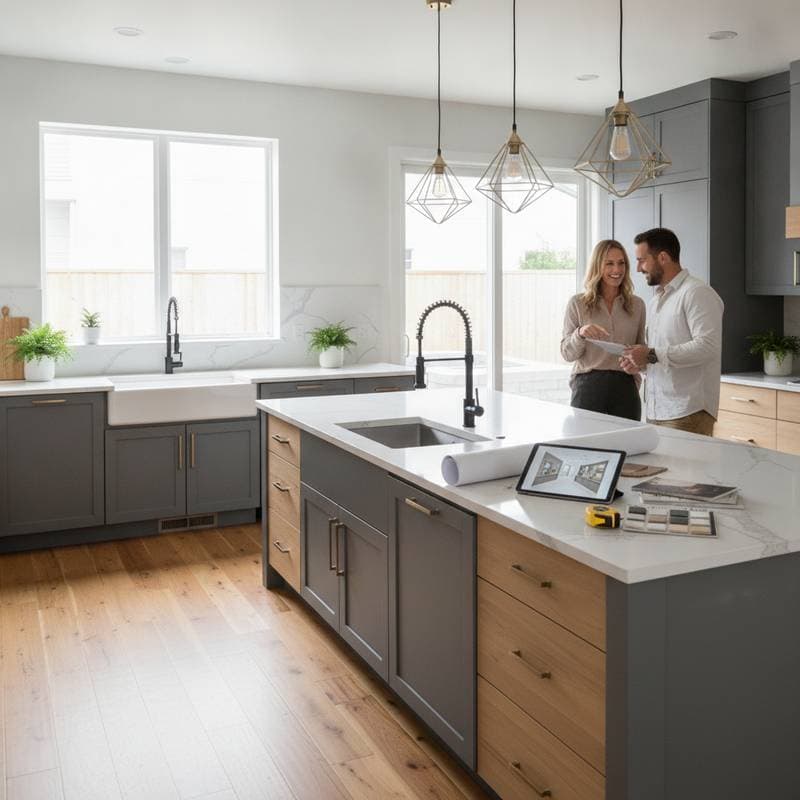
Effective remodels originate with thorough preparation. Prior to engaging services, compile essential requirements versus desirable additions. This prioritization maintains focus amid escalating expenditures.
Establish a Realistic Budget
Account for construction, architectural consultations, permitting fees, relocation during work, and a 10 to 15 percent buffer for unforeseen issues like hidden water damage.
Prioritize Adaptable Design
Anticipate shifting family circumstances. A current elderly care suite might evolve into a home office or income-generating rental. Versatile layouts preserve property equity over decades.
Navigate Zoning and Regulations
Local ordinances may restrict auxiliary dwellings or impose occupancy limits. Consult municipal offices early to confirm compliance with building standards and avoid fines.
Deciding Between DIY and Professional Help
Self-directed efforts reduce costs, yet discerning boundaries between secure amateur work and hazardous attempts proves crucial.
DIY-Friendly Tasks
- Apply fresh coats to walls and moldings for a renewed appearance.
- Lay resilient laminate or vinyl planks in secondary areas.
- Mount ready-to-assemble cabinets in kitchenettes.
- Enhance exteriors with basic planting beds near added doorways.
Approach these with methodical steps and instructional guides.
Professional-Only Tasks
- Configure or enhance electrical circuits and distribution panels.
- Route pipes for sanitary fixtures or appliances.
- Alter frameworks supporting the structure.
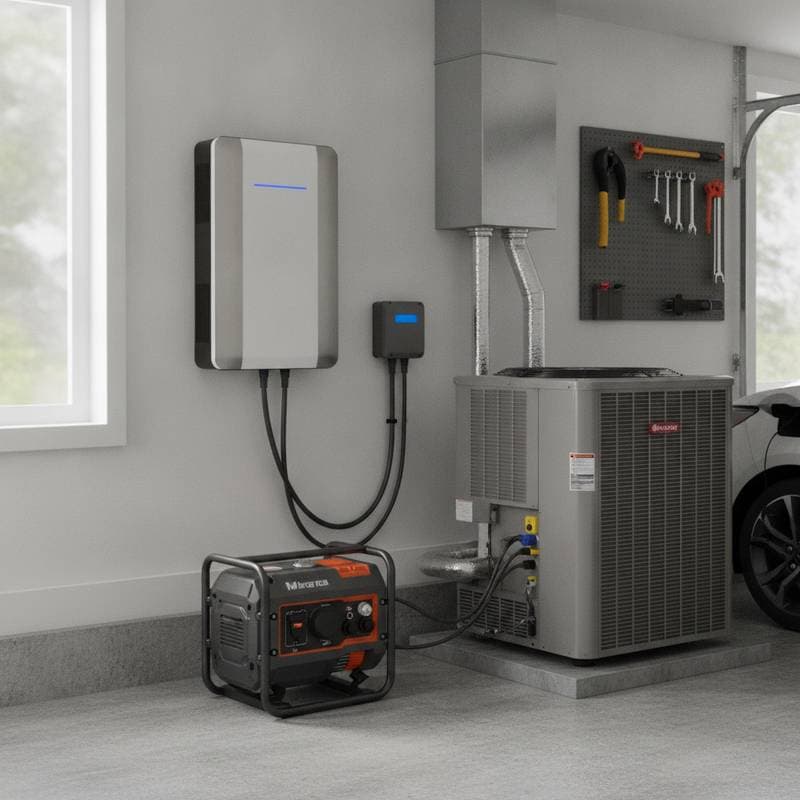
- Integrate or modify air handling systems.
Errors here risk hazards, code violations, or expensive fixes. Certified experts provide warranties and regulatory adherence.
Cost-Effective Alternatives
Major expansions may exceed current means, yet innovative methods deliver multigenerational functionality affordably.
Reorganize Current Areas
Divide expansive rooms using room dividers or built-in shelves to create semi-private retreats. These adjustments enhance flow without demolition.
Emphasize Accessibility Upgrades
Incorporate ergonomic handles on doors, automated lighting sensors, and textured mats in wet zones. Such tweaks promote independence at minimal outlay.
Opt for Modular Units
Deploy factory-built pods adjacent to the house or in yards. Installation occurs swiftly, often 30 to 50 percent below site-constructed equivalents.
Select Practical Materials
Favor durable paints over intricate patterns, ceramic tiles over imported marble, and functional hardware over designer variants. Quality endures without extravagance.
Engaging Professional Expertise
Substantial projects demand interdisciplinary skills in planning, technical analysis, and execution. Identifying intervention points averts delays and errors.
Architects or Interior Designers
For layout shifts or expansions, professionals optimize spatial use while safeguarding stability. Initial consultations clarify viable options.
General Contractors
Coordinators oversee subcontractors, secure approvals, and uphold timelines. Their oversight streamlines complexity at a premium.
Specialized Tradespeople
Consult aging-in-place experts for barrier-free designs, licensed plumbers for water systems, and electricians for power distribution. Certifications guarantee reliability.
Detailed Cost Breakdown by Remodel Type
Projects differ, yet these benchmarks orient expectations based on national averages adjusted for 2025 inflation and material trends.
| Remodel Type | Description | Approximate Cost Range (2025) |
|---|---|---|
| Shared Living Modifications | Accessibility tweaks and minor privacy enhancements | $5,000 - $20,000 |
| Basement or Garage Conversion | Independent area with utilities and amenities | $25,000 - $75,000 |
| In-Law Suite Addition | Standalone structure with full self-sufficiency | $80,000 - $150,000+ |
Variations stem from regional wages, supply chain fluctuations, and site-specific challenges. Obtain bids from at least three firms.
Realizing Long-Term Benefits
Thoughtful multigenerational updates boost resale potential and trim ongoing costs. Consolidated utilities yield 20 to 30 percent savings, while pooled upkeep and caregiving minimize external services.
Beyond finances, these spaces cultivate support networks, combat loneliness, and enrich interactions. The investment supports holistic well-being alongside fiscal prudence.
Ongoing Maintenance Strategies
Post-completion vigilance sustains the upgrade.
- Conduct yearly checks on pipes and circuits to preempt failures.
- Secure accessibility aids, including firm grab rails and intact traction surfaces.
- Refresh paints or sealants biennially for aesthetic and protective integrity.
- Regulate moisture levels in lower-level spaces to inhibit fungal growth.
A documented schedule facilitates proactive care.
Prioritizing Safety in Design
Multigenerational setups blend ages, necessitating hazard mitigation.
- Position bright fixtures along passages and staircases.
- Apply slip-resistant surfaces in moisture-prone rooms.
- Clear pathways of obstacles and wiring.
- Test alarms for fire and gas in every zone.
- Integrate automated controls for illumination, notifications, and aid summons.
These measures foster security and ease.
Designing for Evolving Needs
Current adaptations should accommodate tomorrow's shifts. Ensure robust infrastructure for diverse applications, from family housing to professional workspaces.
Neutral palettes and modular storage simplify transitions, curbing future investments.
Steps to Launch Your Project
With foundational knowledge in place, proceed methodically.
- Evaluate existing architecture to pinpoint adaptable zones.
- Define a comprehensive budget with reserves.
- Engage specialists for preliminary assessments.
- Solicit detailed proposals covering scopes, timelines, and guarantees.
- Maintain records of approvals and transactions for accountability.
Sustaining Family Harmony Through Smart Investments
Multigenerational remodels transform homes into enduring sanctuaries. By balancing costs with foresight, families secure spaces that nurture connections and adaptability for years ahead.