Key Takeaways
- Granny flats rank among the most dependable methods to expand rental income amid persistent housing shortages.
- Targeted enhancements in design, amenities, and pricing can substantially elevate financial returns.
- Compliance with regulations, aesthetic appeal, and energy efficiency secure reliable tenants and premium rates.
Understanding Granny Flats as Rental Investments
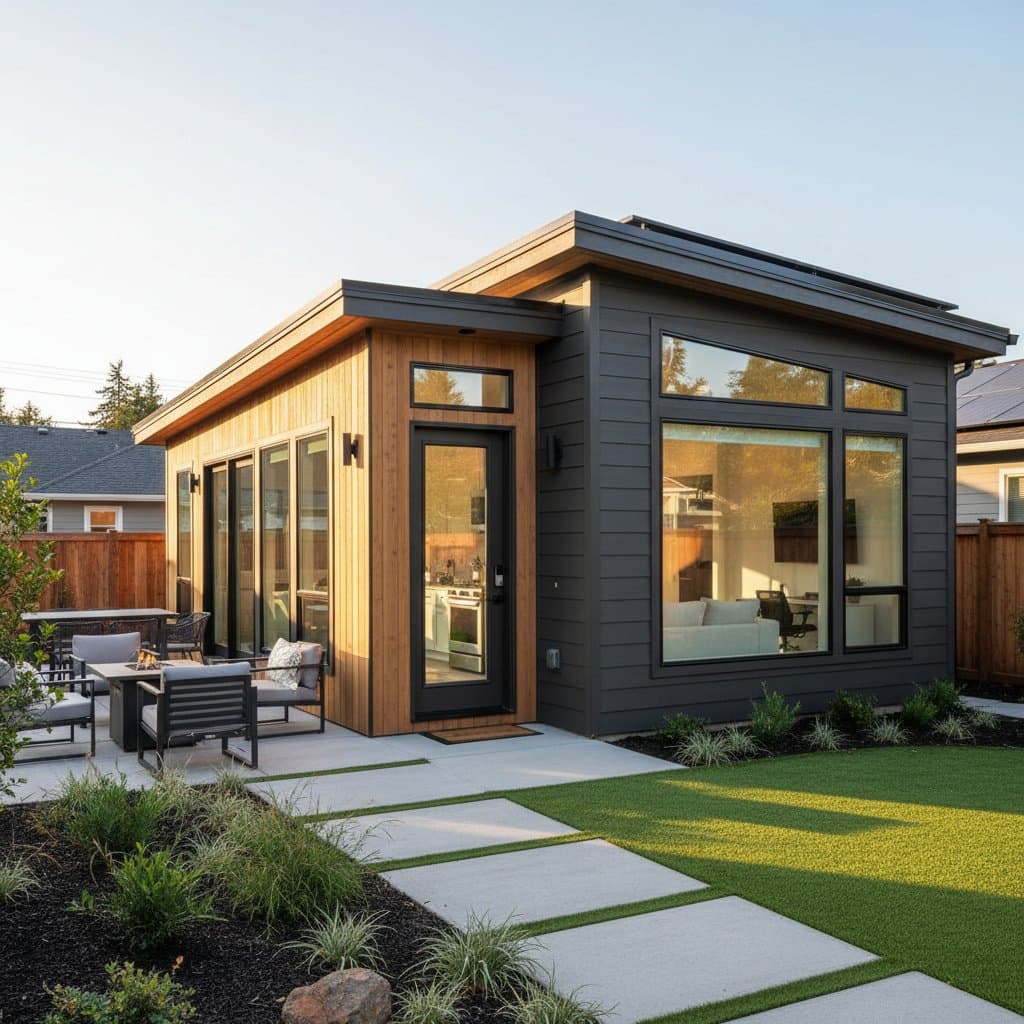
Granny flats, known also as accessory dwelling units or backyard cottages, provide versatile additions to properties. These compact, independent living spaces allow for separate leasing arrangements. Their value stems from efficient land use, modest construction scale, and simplified maintenance compared to larger homes.
Granny flats produce reliable revenue streams with reduced operational expenses. Thoughtful design decisions ensure rapid leasing and sustained property appreciation. In today's rental landscape, compact units in desirable locations experience robust demand. Renters increasingly seek privacy, convenient access to employment centers, and reduced energy consumption, positioning well-crafted granny flats as attractive choices for individuals, small households, and seniors desiring independence.
Essential Advantages
- Efficient, compact layouts that lease consistently throughout the year.
- Maintenance expenses lower than those of conventional rental properties.
- Growing renter interest in affordable, private accommodations.
- Capacity to enhance overall property rental yield by up to 25 percent.
Trends in Granny Flat Rental Rates
Rental rates for granny flats rise steadily in most areas, particularly for units featuring contemporary finishes and dedicated entrances. This growth results from constrained housing availability, escalating building expenses, and evolving preferences for compact dwellings. Property owners who prioritize superior design and functionality realize significant benefits. Units equipped with effective insulation, abundant natural light, and secluded outdoor areas command higher premiums.
A one-bedroom accessory dwelling unit with complete kitchen facilities and laundry provisions typically generates 60 to 80 percent of the rent for a similar-sized apartment. The smaller scale appeals to tenants desiring economical utilities and serene environments. Basic enhancements, such as a secure patio or scenic garden access, can increase rents by 5 to 10 percent.
Prioritized Tenant Preferences
| Feature | Appeal to Tenants | Potential Rent Increase |
|---|---|---|
| Private entry | Ensures privacy and autonomy | +5% |
| In-unit laundry | Provides everyday convenience | +8% |
| Energy-efficient elements | Reduces ongoing utility costs | +6% |
| Natural light and airflow | Enhances daily comfort | +4% |
| Dedicated outdoor area | Supports enhanced living quality | +7% |
Upgrades That Deliver Optimal Returns
Prioritize enhancements in finishes, seclusion, and energy performance over extravagant additions. Tenants gravitate toward spaces that appear pristine, illuminated, and meticulously maintained. Luxury materials prove unnecessary; strategic modifications yield substantial impacts.
Recommended Enhancements
- Energy-efficient windows and insulation: These elements cut energy expenses, appealing to tenants committed to long-term occupancy and elevating the unit's market value.
- Complete yet compact kitchens: Equip with resilient countertops, compact dishwashers, and adequate illumination.
- Resilient flooring options: Select vinyl plank or sealed concrete for durability and enduring style.
- Secluded outdoor zones: A modest deck or garden area introduces meaningful lifestyle benefits.
- Subtle color palettes: Employ soft whites, greige tones, or light oak elements to maintain brightness and versatility.
Routine upkeep, such as repainting, fixture replacements, and lighting refreshes, often costs far less than comprehensive overhauls. Such updates frequently support rent hikes of 10 to 15 percent while minimizing vacancy periods.
Enhancements to Avoid
- Premium appliances that surpass regional norms.
- Fixed furniture arrangements that restrict spatial adaptability.
- Striking design elements that limit broad tenant interest.
Pricing Strategies for Peak Revenue
Base rental rates on comparable local units, inclusion of utilities, and privacy levels offered. Adjust periodically to sustain high occupancy. Begin by examining active listings for analogous accessory dwelling units or backyard cottages, evaluating size, features, and location appeal. Position pricing modestly below the upper market threshold to draw dependable occupants swiftly.
Including utilities in the rent warrants mention in listings; tenants often accept modest premiums for streamlined billing. Alternatively, install independent metering for water and power to enable flexible adjustments without unexpected charges.
Effective Pricing Approaches
- Establish benchmarks: Reference three proximate comparable listings.
- Premium for features: Account for additions like climate control or exterior spaces with incremental increases.
- Incentivize commitments: Provide limited reductions for extended leases to curb turnover.
- Annual evaluations: Reassess based on economic shifts and regional demand, beyond mere tax adjustments.
Transparent pricing fosters confidence. Tenants renew more readily when they perceive equitable value relative to market standards.
Influential Design Trends for Granny Flat Rentals
Contemporary, adaptable, and eco-friendly designs surpass traditional configurations. Modern occupants desire efficient, inviting environments where compactness does not imply sacrifice. Leading granny flats incorporate small-apartment principles, focusing on clever storage solutions and organic materials to enhance appeal.
Prominent Aesthetic Directions
- Scandinavian minimalism: Incorporate light woods, muted neutrals, and streamlined arrangements to illuminate confined areas.
- Contemporary cottage style: Feature coated cabinetry, plank paneling, and garden integrations for cozy atmospheres.
- Industrial restraint: Utilize raw brick, metallic highlights, and exposed storage to attract younger demographics.
- Sustainable innovations: Integrate solar energy systems, water harvesting, and efficient plumbing to draw eco-aware individuals.
Practical Design Recommendations
- Employ pocket doors or sliding partitions to optimize space.
- Install skylights for natural illumination while preserving seclusion.
- Incorporate integrated seating or retractable workstations for versatile use.
- Favor robust, low-maintenance surfaces over elaborate detailing.
Intentional designs convey professionalism rather than makeshift quality. Such units present advantageously in photographs, aiding promotional efforts and digital advertisements.
Strategies to Minimize Vacancy and Enhance Tenant Satisfaction
Manage the granny flat as a premium rental through prompt upkeep and open dialogue. Satisfied tenants extend stays, lowering administrative expenses. Initiate occupancy with comprehensive orientations, supplying appliance guides and protocols for refuse handling or vehicle parking. Thoughtful touches, including welcome provisions or routine seasonal inspections, create lasting positive impressions.
Methods to Foster Tenant Retention
- Address service requests with urgency.
- Conduct proactive maintenance to preempt problems.
- Preserve tidy landscaping surrounding the unit.
- Ensure operational exterior illumination for security.
- Introduce minor improvements upon lease anniversaries to promote continuations.
Cultivating genuine connections proves beneficial. Tenants value attentive property stewards who prioritize both asset integrity and resident well-being. Balance respect for boundaries with dependable service to maintain steady revenue without complications.
Essential Legal and Zoning Considerations
Confirm compliance with municipal zoning laws, safety standards, and rental protocols prior to marketing. Requirements vary by jurisdiction, yet typically encompass valid permits, independent access points, and fundamental fire safeguards. For new constructions, engage local planning authorities early in the process.
Retain pertinent records, such as occupancy approvals and efficiency assessments. Certain areas mandate distinct addresses or utility separations for transient rentals. Awareness of these stipulations averts penalties or conflicts.
For extended tenancies, implement formal agreements specifying payment terms, upkeep duties, and termination notices. This framework safeguards interests and streamlines oversight.
Frequently Asked Questions
What monthly rent might a standard granny flat generate? Earnings vary by locale, dimensions, and inclusions. A one-bedroom setup often yields 60 to 80 percent of equivalent apartment rates nearby. Enhanced units in optimal spots may surpass these figures.
Is a property manager necessary for a granny flat? Self-management suits many on-site owners with availability for tasks like repairs and interactions. Professionals assist with vetting and extensions for those seeking minimal involvement.
What constitute the primary maintenance expenses? Plumbing, roofing, and equipment renewals dominate costs. Scheduled reviews and swift interventions render outlays foreseeable. Selecting sturdy components at build stage curbs future demands.
Is short-term renting feasible for my granny flat? Select municipalities permit it under extra licensing. Review short-term rules locally. If approved, verify that coverage extends to temporary visitors.
What insurance protections are required? Secure landlord policies addressing structural harm, accountability, and income interruption. Inform insurers of independent rental status for precise endorsements.
Sustaining Long-Term Value
Preserve vibrancy through yearly cosmetic refreshes, periodic grounds care, and refreshed imagery for promotions. Monitor evolving local rental dynamics to refine rates or outreach accordingly. Beyond revenue, a strategic accessory dwelling unit elevates asset worth, expands living possibilities, and contributes to balanced community development.