Leading 2025 Flooring Materials for Flood Resistance and Cost Savings
Home renovation expenses continue to rise due to factors beyond inflation. Unpredictable weather, escalating insurance rates, and stricter building regulations in flood-vulnerable regions demand flooring that exceeds aesthetic appeal. These materials must endure water exposure, prevent mold proliferation, and enable eligibility for insurance reductions. Selecting appropriate options provides both structural integrity and economic safeguards.
The Importance of Flood-Resistant Flooring Today
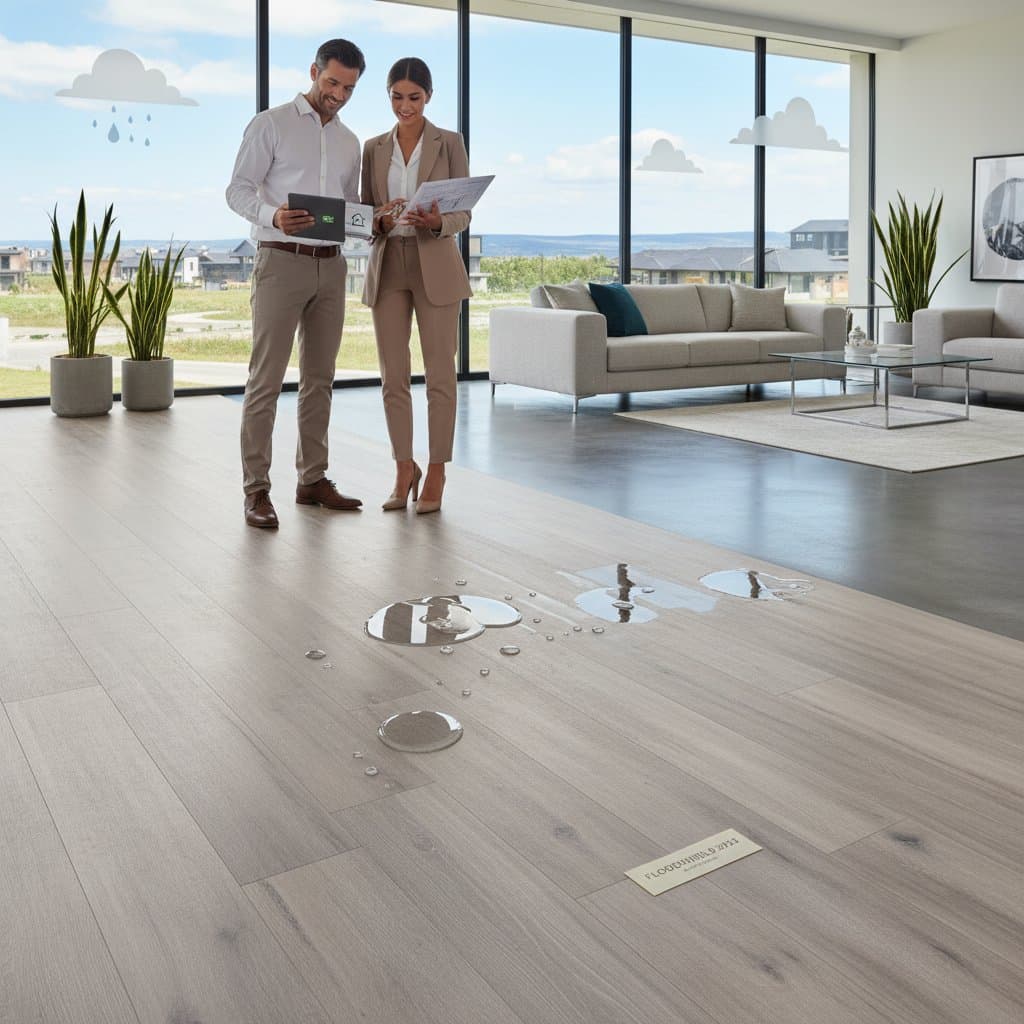
Homeowners confront evolving challenges in risk assessment by insurers. Several providers now grant premium discounts for residences featuring water-resistant elements in vulnerable areas like basements and kitchens. Consequently, flooring selections influence coverage costs directly. Advancements in production and installation techniques have rendered these moisture-proof alternatives more economical.
The least expensive initial choice often proves costliest after water exposure. Optimal selections integrate longevity, straightforward maintenance, and value, while aligning with interior objectives.
Premier Flood-Resistant Flooring for 2025
1. Luxury Vinyl Plank (LVP)
Luxury vinyl plank stands as a preferred selection for those seeking robustness, authentic wood visuals, and water resistance at accessible pricing. Contemporary designs incorporate rigid core construction to avert expansion from prolonged moisture contact. Numerous manufacturers integrate underlayment for enhanced acoustics and cushioning.
Advantages:
- Impermeable waterproof coating
- Simplified replacement of single planks
- Suitable for basements and utility spaces
Disadvantages:
- Susceptible to color fading under intense sunlight
- Budget variants may release volatile organic compounds
Budget Guidance: Opt for products manufactured locally to circumvent import duties. Installed expenses for standard quality range from $4.50 to $7.50 per square foot.
2. Porcelain Tile
Porcelain tile offers exceptional durability and water impermeability, ideal for high-traffic zones prone to spills or flooding. Its dense composition absorbs minimal moisture, reducing risks of cracking or delamination. Available in diverse patterns mimicking stone or wood, it elevates design versatility.
Advantages:
- Extremely low water absorption rate under 0.5 percent
- Hypoallergenic and simple to sanitize
- Enhances perceived home value in appraisals
Disadvantages:
- Rigid surface lacks warmth and comfort
- Installation demands skilled labor to avoid grout failures
Insurance Benefit: Recognition as a flood-mitigation feature by carriers can yield premium reductions of 3 to 7 percent in designated zones.
3. Engineered Waterproof Hardwood
For enthusiasts of wood's organic appeal in damp environments, engineered waterproof hardwood delivers a viable solution. A thin real wood top layer preserves visual authenticity, supported by a stable composite base that counters humidity-induced warping. Though premium-priced, it harmonizes elegance with functionality.
Advantages:
- Premium visual and tactile qualities
- Tolerates incidental floods and routine spills
- Increases marketability in upscale segments
Disadvantages:
- Higher expense relative to synthetic alternatives
- Professional installation recommended for warranty compliance
Insurance Perspective: Insurers often classify this under protective upgrades, potentially lowering rates by up to 5 percent.
4. Rubber Flooring
Rubber flooring provides versatile protection in areas like playrooms or garages, where flexibility and traction matter. Derived from recycled materials, it repels water effectively and cushions impacts. Customizable colors and thicknesses adapt to various applications.
**Advantages:**n- Superior slip resistance even when wet
- Eco-friendly with recycled content options
- Quiet underfoot and insulating
Disadvantages:
- Limited style variety compared to wood or tile
- Initial odor from adhesives during curing
Cost Insight: Installation totals $5 to $8 per square foot, with longevity exceeding 20 years in moderate use.
5. Sealed Concrete with Epoxy Finish
Existing concrete slabs in basements or garages benefit from epoxy sealing, transforming them into resilient, contemporary surfaces. This treatment creates a seamless barrier against water ingress, demanding little ongoing care.
Advantages:
- Economical upgrade for current structures
- Seamless design eliminates water entry points
- Illuminates spaces with glossy reflectance
Disadvantages:
- Professional surface preparation essential to avert delamination
- Smooth finishes may pose slip hazards without additives
Upkeep Advice: Apply fresh sealant every five to seven years to sustain barrier efficacy.
Optimizing Timing and Expenses
Fluctuations in material pricing occur seasonally, yet labor rates frequently decrease post-holidays as schedules open. Procuring supplies in advance mitigates delivery setbacks.
For multi-room updates, consolidate efforts to secure discounted workmanship. Combining basement and bathroom installations, for instance, trims per-square-foot fees by 10 to 15 percent.
Efficiency Recommendation: Obtain estimates from three regional specialists prior to procurement. Variations in labor exceed material inconsistencies, yielding substantial savings.
Safeguarding Your Flooring Investment
- Examine grout or seams biannually for fissures.
- Renew protective sealants per producer guidelines.
- Verify sump pump functionality ahead of rainy periods.
- Monitor perimeter joints in tiled or concrete installations for dampness.
Implementing Protective Upgrades
Adopting flood-resistant flooring fortifies homes against environmental threats while optimizing financial outcomes. These selections not only endure adversities but also enhance long-term value and insurability. Consult professionals to tailor solutions to specific property needs, ensuring comprehensive preparedness.