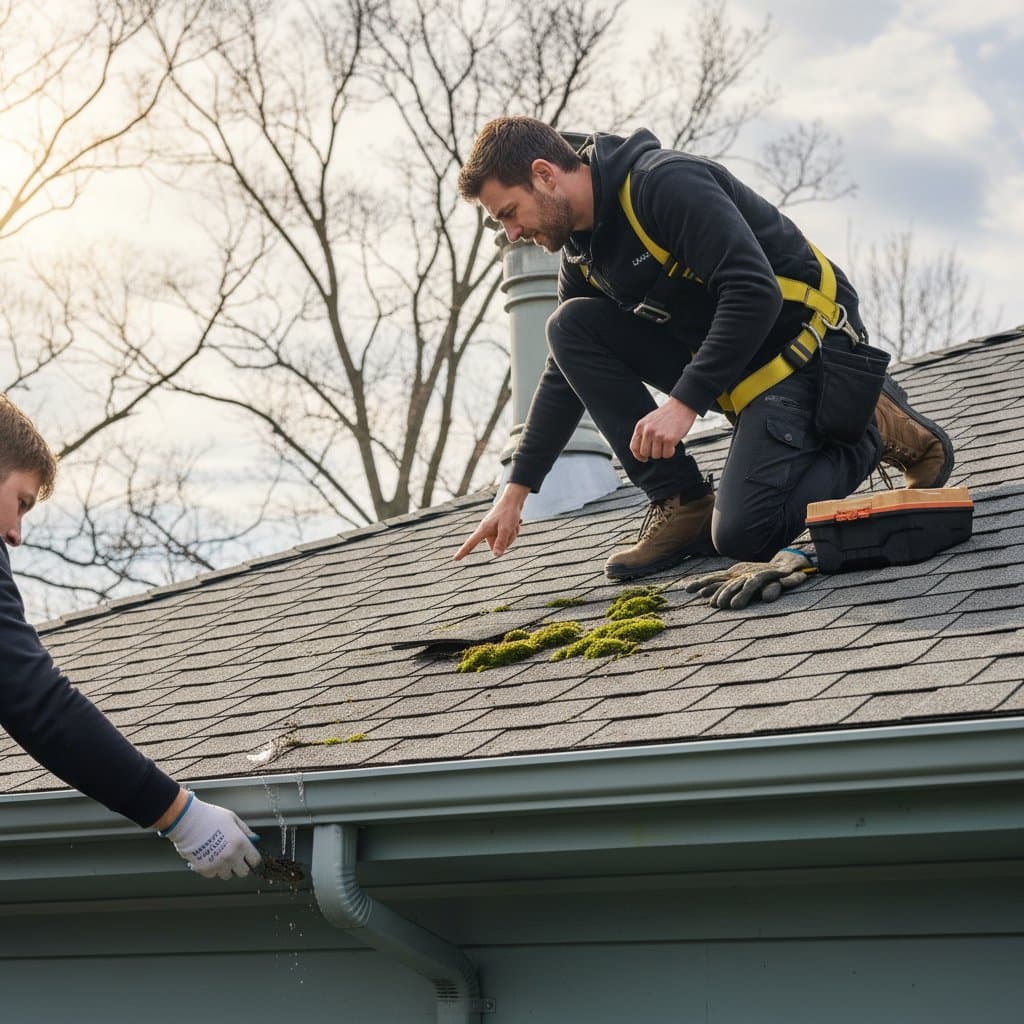
Spot Roof Red Flags Before Spring Damage Strikes
Homeownership requires vigilance in maintaining the roof, which serves as the primary shield against the elements. As winter transitions to spring, melting snow, heavy rains, and fluctuating temperatures often expose vulnerabilities that formed during the cold season. A proactive inspection allows detection of these issues before they escalate into significant problems.
Expertise in roofing proves unnecessary for effective checks. Individuals simply require knowledge of key indicators, safe inspection methods, and criteria for professional involvement. This guide provides comprehensive steps to identify potential roof concerns prior to the onset of spring's demanding weather.
Essential Maintenance Tasks Before Spring
Spring upkeep commences with removal of winter accumulations, followed by thorough examination.
Step 1: Clear Debris
Eliminate branches, leaves, and accumulated soil from gutters and roof valleys. For areas beyond safe reach, employ a telescoping pole or engage a professional gutter cleaning service. Obstructed gutters lead to water overflow beneath shingles, resulting in leaks and structural decay.
To enhance effectiveness, inspect downspouts for clogs and ensure proper alignment to direct water away from the foundation. Regular clearing prevents ice dams in future winters by maintaining unobstructed flow paths.
Step 2: Check for Algae and Moss
Green or black streaks frequently develop on shaded portions of the roof. Algae and moss retain moisture against shingles, accelerating deterioration and granule loss. Treat minor infestations with a solution of water and mild detergent applied via a soft-bristled brush.
Steer clear of pressure washers, as they dislodge essential protective granules. For persistent growth, consider zinc or copper strips installed along the roof ridge to inhibit regrowth through natural chemical release during rain.
Step 3: Inspect Flashing and Sealant
Flashing consists of thin metal strips positioned around chimneys, skylights, and vent pipes to seal joints. Examine for signs of rust, separation, or elevated edges. Assess sealants for fissures or detachment, which commonly precipitate leaks during spring downpours.
Minor gaps may receive application of high-quality roofing caulk designed for exterior use. However, corroded or displaced flashing demands professional replacement to ensure watertight integrity and prevent water intrusion into the home's structure.
Step 4: Examine Attic Spaces
Within the attic, search for evidence of water infiltration prior to visible ceiling damage. Indicators include darkened patches on rafters, moistened insulation, or persistent musty smells. This inspection holds particular urgency following snowmelt or initial spring showers.
Utilize a flashlight to scan for daylight penetration through cracks and verify the condition of roof decking. Addressing attic issues early averts escalation to mold proliferation and compromised indoor air quality.
DIY vs Professional Decision Points
Basic inspections and minor upkeep fall within the scope of safe homeowner activities, yet certain repairs necessitate licensed roofing specialists.
- DIY-friendly tasks: Gutter cleaning, debris removal, minor sealant applications, or single shingle replacements for those proficient with ladder use.
- Professional-required tasks: Extensive section replacements, chimney flashing corrections, sagging area reinforcements, or any operations on steep or elevated surfaces.
Prioritize safety by descending immediately if stability feels compromised. Professional assessment guarantees compliance with building codes and optimal material utilization.
When to Call the Pros
Certain roof anomalies appear minor yet signal profound underlying defects. Initiate a professional evaluation upon observing:
- Leaks that recur despite temporary patches
- Widespread shingle displacement or upward curling
- Roofline depressions or noticeable sags
- Fractured or eroded flashing components
- Attic mold growth or insulation degradation
Experienced roofers diagnose root causes, including inadequate ventilation or frame weakening, invisible from ground level. Their specialized tools and training ensure repairs enhance durability without risking personal injury.
Preventive Maintenance for Long-Term Protection
Following inspection and remediation, adopt routines that sustain roof integrity year-round.
Keep Trees Trimmed
Overhanging branches abrade shingles and attract debris-laden shade favoring moss. Prune limbs extending over the roofline to minimize friction and promote drying after precipitation.
Annual arborist consultations prove beneficial for large trees, preventing storm-induced limb failures that could puncture roofing materials.
Maintain Proper Ventilation
Attic circulation regulates temperature and humidity to avert shingle warping. Confirm vent openings remain free of obstructions like insulation fragments or accumulated dust.
Inadequate airflow accelerates aging; consider ridge or soffit vent additions if inspections reveal excessive heat retention during warmer months.
Check After Every Major Storm
Severe weather events, such as high winds or hail, inflict abrupt harm even on robust roofs. Conduct prompt visual surveys post-storm to identify dislodged elements or impact marks.
Focus on edges and valleys where damage concentrates, enabling swift intervention to forestall water entry during subsequent rains.
Document Everything
Capture photographic evidence of the roof across seasons. Such records facilitate tracking of progressive wear and support insurance documentation for unforeseen events.
Organize images chronologically and note weather conditions to correlate changes with environmental factors.
Planning Ahead for Next Season
With a successful spring assessment complete, sustain vigilance through scheduled follow-ups. Perform a midsummer review to validate repair stability and gutter patency. For aging roofs or those requiring repeated interventions, procure replacement estimates proactively to sidestep crisis-driven decisions.
Investigate regional contractors, solicit neighbor endorsements, and scrutinize online feedback. Forging ties with dependable professionals ensures prompt, reliable assistance when challenges arise.
Build Lasting Roof Resilience
Consistent care transforms roof maintenance from a chore into a strategic investment. By addressing winter's toll before spring's trials, homeowners safeguard their property's value and comfort. Embrace these practices to foster a durable barrier that withstands seasonal shifts with confidence.