Why Kitchen Cabinets Dominate 45 Percent of Your Remodel Budget
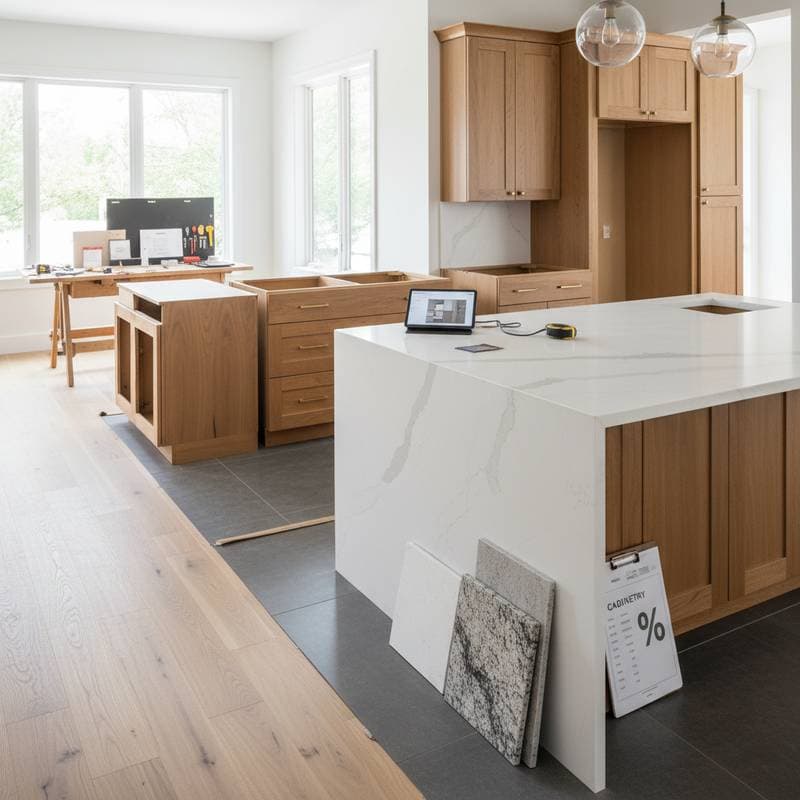
Kitchen renovations represent a significant investment for homeowners. In 2026, expect total costs to range from the mid-five figures to higher amounts, depending on scope and materials. Cabinets often claim 45 percent of this budget, making them the largest expense. Understanding this allocation helps in planning effectively.
Several factors contribute to the high cost of cabinets. Custom designs require skilled craftsmanship and premium materials. Labor for installation adds another layer of expense. Homeowners must balance aesthetics with functionality to avoid overspending.
The Breakdown of Kitchen Remodel Costs
A typical kitchen remodel includes multiple components. Cabinets lead at 45 percent, followed by countertops at 25 percent, and flooring at 10 percent. Appliances account for 15 percent, while labor and miscellaneous items fill the remaining 5 percent.
Consider an average project budget of $50,000. Cabinets alone would total $22,500. This figure varies by region and quality level. Urban areas often see higher prices due to demand and logistics.
Cabinets: The Primary Culprit
Cabinets provide storage and define the kitchen's style. Stock options offer affordability but limited customization. Semi-custom cabinets strike a balance, allowing modifications to size and finish while keeping costs reasonable.
Wood remains the preferred material for durability. Oak and maple withstand daily use and age well. Prices start at $100 per linear foot for basic models and climb to $300 for high-end versions. Avoid particleboard, which warps over time and reduces resale value.
Installation demands precision. Professionals ensure proper alignment and secure mounting. DIY attempts risk structural issues, leading to costly repairs later.
Countertops and Their Impact
Countertops follow cabinets in expense. Granite and marble deliver luxury but require sealing to prevent stains. Quartz offers a non-porous alternative with consistent patterns and lower maintenance.
Budget $3,000 to $6,000 for a standard kitchen. Engineered stone provides value without sacrificing appearance. Pair it with cabinets for a cohesive look that enhances home appeal.
Flooring Choices for Longevity
Flooring influences both budget and practicality. Tile resists moisture and cleans easily, ideal for high-traffic areas. Costs range from $5 to $15 per square foot installed.
Hardwood adds warmth but demands care against spills. Vinyl mimics wood at a fraction of the price, around $3 to $8 per square foot. Select options with warranties for peace of mind.
Strategies to Optimize Your Budget
- Prioritize semi-custom cabinets in solid wood for quality without excess cost.
- Mix materials, such as quartz counters with vinyl flooring, to allocate funds wisely.
- Consult professionals early to refine estimates and avoid surprises.
- Focus on timeless designs that support resale, like neutral finishes.
- Explore financing options if stretching the budget, ensuring payments fit comfortably.
These steps maintain style and function while controlling expenses. Energy-efficient appliances can further reduce long-term costs through utility savings.
Enhancing Resale Value Through Smart Choices
Investments in the kitchen yield strong returns. Quality cabinets and surfaces increase property appeal. Buyers prioritize durable, modern features in 2026 listings.
Avoid trendy elements that date quickly. Opt for versatile colors and hardware. This approach maximizes equity without unnecessary outlays.
In summary, cabinets dominate the budget due to their central role. Informed decisions on materials and installation ensure a remodel that delights and adds value.