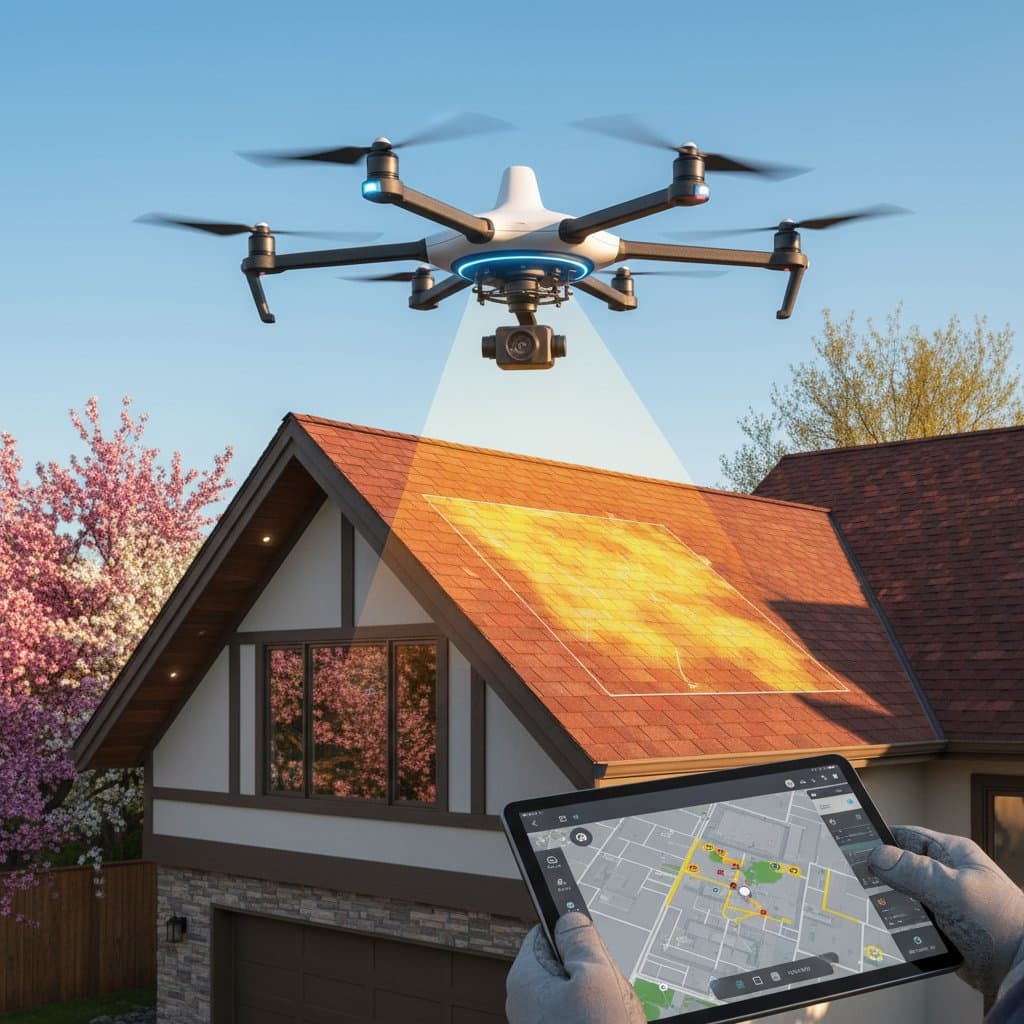
The Evolution of Spring Roof Inspections with AI Drones
Winter weather subjects roofs to severe stress, including heavy snow loads and ice dams that cause unseen cracks and weaknesses. As spring emerges, these vulnerabilities become apparent, yet traditional inspections involve climbing ladders and risking falls. AI-powered drones change this process entirely by providing remote, high-resolution scans that identify damage without human exposure to heights.
These drones equip with cameras and sensors that capture detailed images from multiple angles. They navigate complex roof pitches effortlessly, something challenging for inspectors on foot. The result offers homeowners comprehensive reports generated in minutes, highlighting issues like granule loss or underlayment failures before they escalate.
Optimal Timing: Why Spring Stands Out for Roof Checks
Spring provides ideal conditions for thorough roof evaluations, with moderate temperatures and cleared snow exposing winter's toll. Freeze-thaw cycles often weaken materials, leading to potential leaks if not addressed promptly. Conducting inspections now allows time to arrange repairs before summer storms arrive and demand surges.
Focus on key areas such as shingle alignment, flashing integrity around chimneys, and gutter functionality. Neglected problems invite water penetration, fostering mold in attics and compromising structural elements. Early intervention through drone technology minimizes these risks and preserves your home's value over time.
A timely check also aligns with insurance requirements for many policies, ensuring coverage for seasonal damages. Professionals recommend annual inspections, but spring timing maximizes visibility and safety for both the assessor and the roof itself.
Comparing Inspection Methods and Their Costs
Selecting the right inspection method depends on your roof's complexity and budget. Visual checks from ladders suit simple roofs but miss subtle defects. Drones elevate accuracy with aerial perspectives, while AI integration adds predictive insights.
| Inspection Type | Typical Cost Range | Key Features |
|---|---|---|
| Ladder-based visual | $150 - $300 | Ground-level photos and notes; limited to accessible areas |
| Standard drone flight | $250 - $400 | Aerial high-resolution photos; covers full roof surface |
| AI drone with analysis | $400 - $600 | Thermal imaging, automated damage detection, and detailed reports |
Factors like roof size over 2,000 square feet or steep slopes increase costs due to extended flight durations. In regions prone to hurricanes or heavy winds, enhanced protocols add value through specialized scans.
Practical Ways to Reduce Inspection and Repair Expenses
Planning ahead optimizes your budget for roof care. Reserve a slot early in the season to sidestep inflated rates during high-demand periods. This approach often secures discounts from service providers eager for off-peak work.
Consider combining the inspection with related maintenance tasks, such as clearing debris from gutters or assessing attic insulation. Such bundling typically yields savings of 10 to 15 percent on the total bill. The detailed imagery from drones facilitates precise quotes, empowering you to shop around effectively.
- Contact at least three certified contractors for estimates using the drone report.
- Verify credentials through local roofing associations.
- Prioritize repairs based on severity rankings in the analysis.
These steps ensure competitive pricing and quality workmanship without unnecessary expenditures.
Safeguarding Your Roof for Long-Term Performance
Investing in an AI drone inspection during spring equips you with actionable intelligence to maintain your roof's integrity. The technology uncovers issues like thermal bridging or moisture pockets that traditional methods overlook, averting damages that could surpass $5,000 in remediation. Regular monitoring through such tools extends the lifespan of asphalt shingles by several years.
Review the generated report meticulously, noting prioritized fixes and warranty implications. Engage trusted professionals promptly to implement recommendations. This proactive strategy keeps your home protected, enhances energy efficiency, and prepares your roof for future weather challenges.