Spring Home Systems: Essential Checks to Prevent Costly Damage
Spring maintenance tasks determine whether your home runs smoothly or encounters significant repair costs later in the year. Seasonal changes introduce fluctuations in humidity, temperature, and demands on critical systems like HVAC, plumbing, and drainage. This period provides an optimal window to evaluate performance, efficiency, and safety before the intense requirements of summer take hold.
Targeted inspections reveal potential issues early, allowing for minor adjustments that preserve system integrity. Homeowners who prioritize these checks often report reduced energy bills and extended equipment life. Professional involvement ensures precision, but many tasks suit DIY efforts with basic tools.
Understanding the Interconnected Nature of Home Systems
Home systems function as a cohesive unit where failures in one area impact others. For instance, poor roof drainage elevates foundation moisture, which in turn affects structural stability. Attic ventilation directly influences HVAC output, while water heater efficiency ties into overall plumbing and energy use. Disruptions in this balance accelerate wear and increase operational costs.
Moderate spring conditions facilitate thorough testing without extreme stresses like heat or cold. Systems operate under controlled loads that highlight inefficiencies clearly. Contractors find this season ideal for upgrades, as availability exceeds peak times and costs remain lower.
HVAC Preparation for Peak Cooling Demands
Calibration for Optimal Performance
HVAC efficiency peaks when airflow, refrigerant levels, and controls align precisely. During a spring service, technicians measure static pressure at the air handler and clean condenser coils thoroughly. Accumulated dirt on coils reduces SEER ratings by up to 15 percent, forcing the system to work harder.
For advanced variable-speed units, confirm that compressors modulate smoothly during low-demand cycles. This adjustment prevents short cycling, which wastes energy and strains components. Homeowners can monitor basic thermostat responses to ensure even temperature distribution room to room.
Ductwork and Filtration Inspection
Install fresh filters rated MERV 8 through 11 to trap dust and allergens effectively without impeding air movement. These ratings balance filtration power with system strain, improving indoor air quality. Examine ducts for cracks or separations, employing a smoke test or blower door assessment to identify leaks.
Small breaches account for up to 20 percent of energy loss, especially in attics or crawl spaces exposed to outdoor conditions. Apply mastic sealant for durable repairs that resist temperature-induced shifts, outperforming temporary tapes. Sealed ducts enhance comfort and lower utility expenses year-round.
Electrical and Safety System Evaluations
Testing Ground-Fault and Arc-Fault Devices
Ground-fault circuit interrupters and arc-fault circuit interrupters demand regular testing, with spring serving as a comprehensive review point. Focus on outlets adjacent to sinks, showers, or outdoor areas by pressing test and reset buttons. Units must trip within milliseconds to qualify as functional; replace any that hesitate.
These safeguards mitigate electrocution risks and curb fire hazards from damaged wiring. In homes with recent additions, verify that all circuits comply with current codes. Annual professional audits complement monthly self-checks for complete assurance.
Alarm System Maintenance for Smoke and Carbon Monoxide
Swap out batteries in smoke and carbon monoxide detectors, then activate test functions to confirm audible alerts. Units exceeding 10 years require full replacement due to sensor degradation. Opt for interconnected models that sound throughout the home upon detection, vital in larger or multi-level structures.
Position detectors on every level, outside sleeping areas, and near fuel-burning appliances. This setup ensures early warnings, potentially saving lives and property. Document test dates to track compliance with safety recommendations.
Comparative Overview of System Efficiencies
| System Type | Efficiency Rating | Typical Operating Cost (per season) | Maintenance Cost | Environmental Impact |
|---|---|---|---|---|
| Central Air (SEER 14) | Moderate | High in humid zones | Low | Medium |
| Variable-Speed Heat Pump (SEER 20, HSPF 10) | High | Low in mild zones | Moderate | Low |
| Gas Furnace (AFUE 95) | High | Moderate in cold zones | Moderate | Medium |
| Hybrid Water Heater (EF 0.90) | High | Low | Low | Low |
This table highlights performance variations to guide upgrade decisions. Higher ratings correlate with savings, though initial investments vary. Consider local climate when selecting systems for maximum return.
Envelope and Structural Integrity Assessments
Attic Ventilation and Insulation Optimization
Effective attic ventilation lowers roof temperatures and prevents moisture accumulation. Calculate net free vent area to achieve code standards, generally one square foot per 300 square feet of attic floor. Adjust intake and exhaust vents accordingly to promote balanced airflow.
Inspect insulation for compression or dampness, which diminishes R-value and invites mold. Restore or replace affected areas to maintain thermal barriers. Proper setup not only extends roof life but also lightens the load on cooling systems during warmer months.
Sealing Windows and Doors Against Infiltration
Examine weatherstripping around windows and doors for wear, cracks, or detachment. Gaps permit air leaks that inflate cooling needs by thousands of BTUs hourly, particularly in homes built before energy codes tightened. Perform a smoke pencil test by holding lit incense near frames to visualize drafts.
Address findings with caulk for stationary joints or foam sealant for movable parts. These measures enhance comfort, reduce noise, and cut energy use. Reinspect annually, as materials degrade with exposure to sun and weather.
Plumbing and Drainage System Reviews
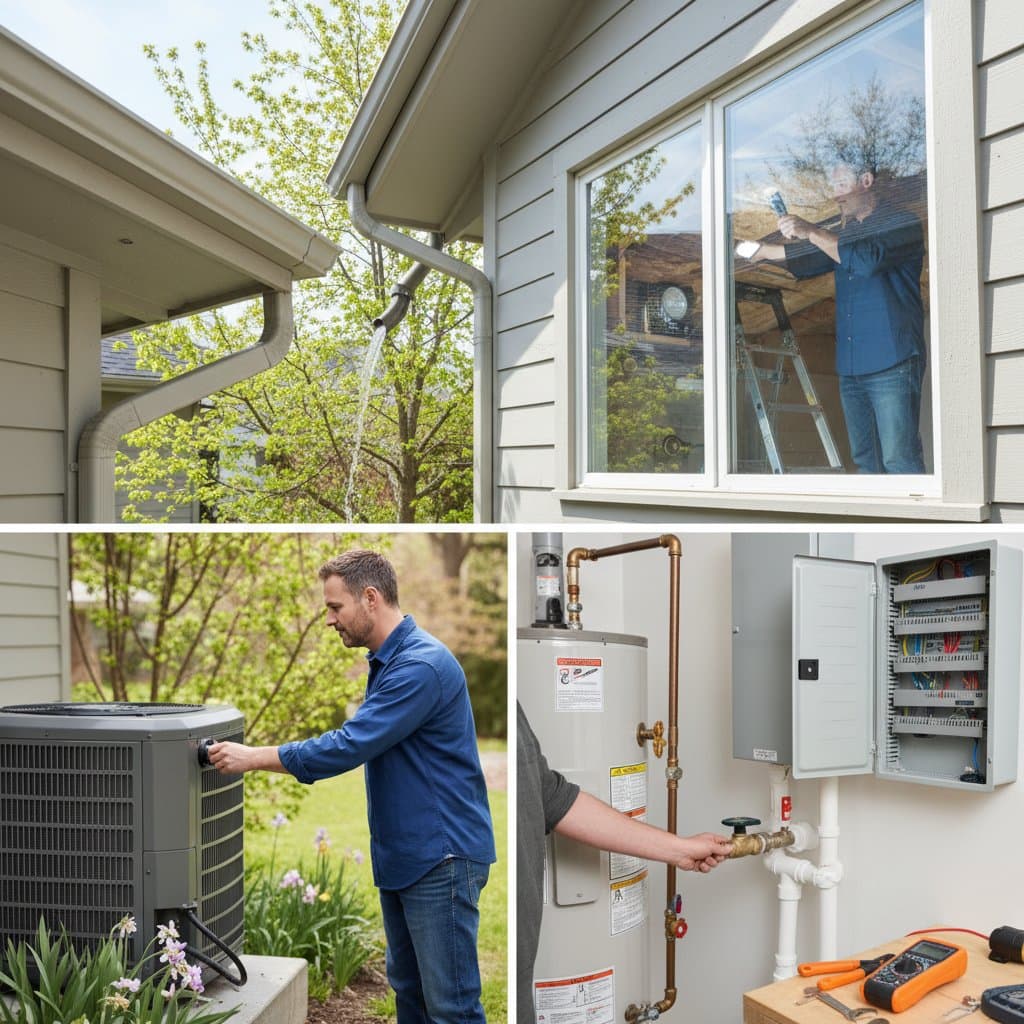
Start with roof gutters and downspouts to clear debris and ensure proper slope for water diversion. Stagnant flow leads to overflows that erode foundations or infiltrate basements. Install splash blocks or extend downspouts to direct runoff away from the structure.
Inside, check water heaters for sediment buildup by flushing the tank, which preserves heating efficiency and prevents corrosion. Inspect visible pipes for leaks or insulation gaps, especially in unheated spaces. These steps avert water damage and maintain consistent pressure throughout the home.
Implementing a Coordinated Maintenance Schedule
Integrate all inspections into a unified plan for efficiency. Sequence outdoor evaluations like roofing first, followed by interior mechanical and electrical reviews. Use a digital log to record details such as filter dimensions, pressure metrics, and completion dates.
This baseline enables trend tracking, flagging declines before they escalate. Schedule professional services for complex tasks, budgeting 200 to 500 dollars annually for comprehensive care. Consistent effort yields a resilient home, minimizing disruptions and maximizing value.
Long-Term Benefits of Proactive Spring Care
Investing time in spring checks translates to fewer emergencies and optimized performance. Systems operate at peak capacity, lowering costs and environmental footprint. Homeowners gain peace of mind knowing their property stands ready for seasonal challenges, fostering lasting satisfaction and equity growth.