Avoid Costly Roof Damage: The Essential Spring 10-Point Inspection
Homeowners often focus on spring cleanup tasks such as gardening or deck maintenance, yet the roof deserves priority attention. Winter elements like snow, ice, and wind inflict significant stress on roofing systems, and early detection of minor issues can prevent substantial repair bills. One overlooked loose flashing led to a leak that required thousands in repairs, highlighting the value of timely action. With escalating costs for materials and labor, proactive inspections represent a wise financial strategy.
The Importance of Spring Roof Inspections
Spring conditions reveal the aftermath of harsh winter weather, including curled shingles, popped nails, and cracked sealants. Water infiltration through these vulnerabilities can rapidly damage attic insulation, drywall, and structural elements. Addressing problems at this stage typically averts repair expenses ranging from $5,000 to $15,000. Such diligence not only extends the roof's service life but also maintains the overall value of the property.
The Comprehensive 10-Point Roof Inspection Checklist
1. Examine Shingles for Cracks or Curling
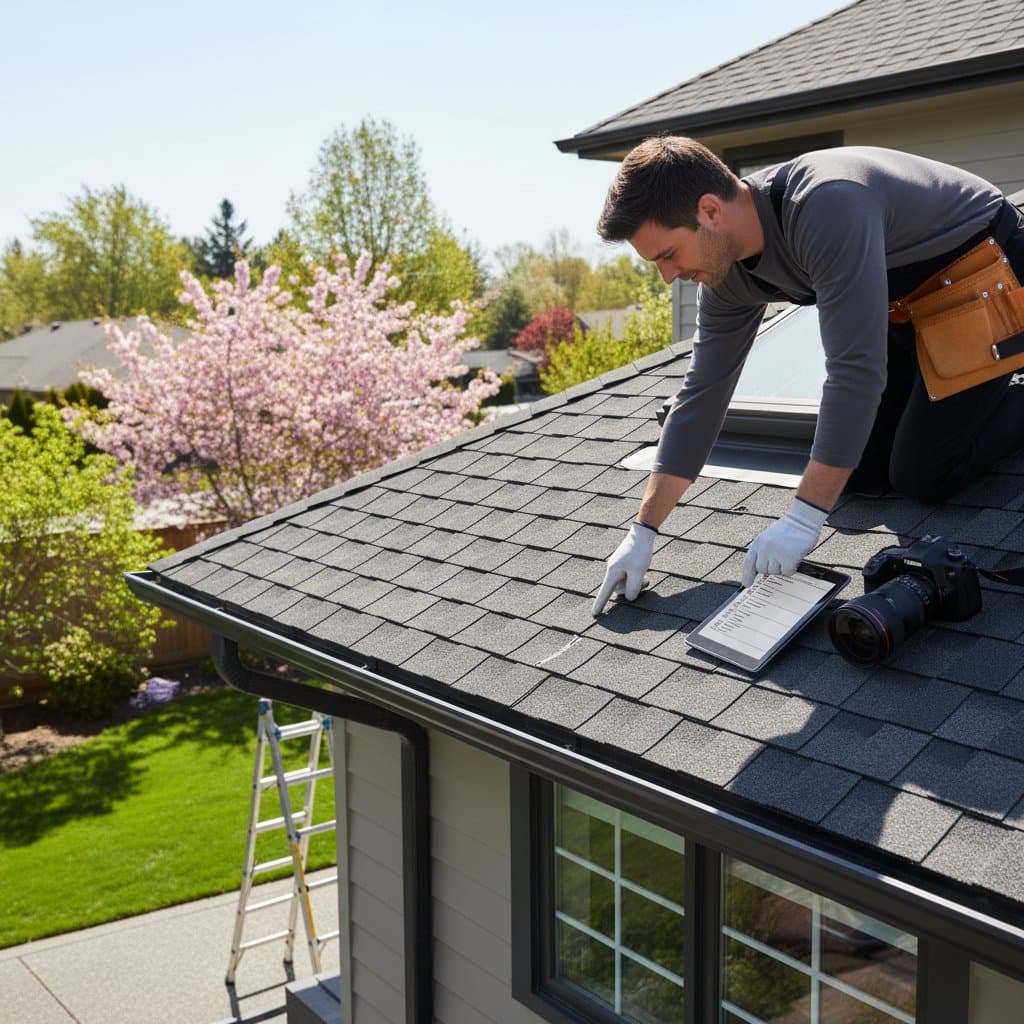
Inspect the home's perimeter and employ binoculars to identify lifted, cracked, or missing shingles from ground level. In many areas, professional replacement of a handful of shingles costs between $200 and $400. If damage affects more than 20 percent of the surface, prepare for a complete roof replacement to avoid further complications.
2. Assess Flashing Around Chimneys and Vents
Flashing consists of metal strips that seal connections at chimneys, skylights, and vents, preventing water entry. Loose or deteriorated flashing invites leaks, so check for secure attachment. Homeowners comfortable with ladder use can reapply roofing cement for a DIY repair, with materials costing $25 to $50; otherwise, hire a professional for $150 to $300.
3. Clear Gutters and Downspouts
Obstructed gutters cause water to overflow and seep under shingles, leading to widespread damage. Remove debris manually, flush the system with a garden hose, and inspect for sagging or loose sections. While professional services charge $150 to $250, many prefer handling this task personally using a stable ladder and protective gloves for safety and cost savings.
4. Investigate the Attic for Signs of Moisture
On a clear, sunny day, enter the attic to search for sunlight penetrating through roof gaps or evidence of wet insulation. These indicators signal active leaks that demand immediate attention. Persistent moisture fosters mold growth and wood rot, potentially incurring thousands in remediation; consult a roofing expert if stains or dampness appear.
5. Identify Loose or Rusted Nails
Popped or corroded nails compromise the roof deck by creating entry points for moisture. Locate these by visual scan and secure them using a hammer or replace with galvanized roofing nails or screws for durability. This straightforward correction halts progression to severe structural issues.
6. Detect Moss or Algae Growth
Moss and algae retain moisture against shingles, accelerating material breakdown and granule loss. Apply a mild roof-safe cleaner or a solution of equal parts water and white vinegar to treat affected areas. Steer clear of high-pressure washing to preserve the shingle's protective coating; for extensive coverage, professional treatment ranges from $300 to $600.
7. Scrutinize Roof Valleys
Valleys channel the heaviest water runoff, making them prone to debris accumulation and wear. Examine for cracks, lodged materials, or excessive granule loss in these critical junctions. If deterioration is evident, replacing valley flashing may cost $400 to $900, influenced by material type and roof pitch.
8. Evaluate Sealants and Caulking
Exposure to weather causes sealants around penetrations to harden and separate over time. Renew these with a caulking gun and fresh roofing sealant after thoroughly cleaning the surfaces for optimal adhesion. This inexpensive task, under $20 for supplies, fortifies weatherproofing effectively.
9. Inspect Skylights and Solar Panel Mounts
Winter cycles often degrade seals on skylights, leading to cracks or condensation between glass layers. Check mounting hardware on solar installations for tightness and intact seals as well. Resealing skylights typically costs $200 to $400, whereas full replacements can exceed $1,000, underscoring the need for vigilance.
10. Verify Foundation Drainage
Ensure downspouts extend water discharge at least five feet from the building's base to prevent soil erosion and hydrostatic pressure. Inadequate routing contributes to foundation cracks and interior flooding. Install inexpensive extensions, priced at $10 to $30 each, to redirect flow and mitigate these risks.
Indicators for Professional Roofing Assistance
For roofs exceeding 15 years in age or showing several concurrent issues, engage a certified roofing contractor for a thorough evaluation. Experts utilize advanced tools such as moisture detectors and thermal imaging to uncover concealed problems. Fees for such inspections range from $250 to $600, varying by roof dimensions and location. Verify the contractor's credentials, including licensing, insurance coverage, and client references, and decline services requiring upfront full payment.
Realized Benefits and Sustained Advantages
Proper roof upkeep preserves up to 80 percent of its depreciated value during property sales. It enhances energy performance by regulating attic heat and cold, lowering utility bills. Resolving minor defects promptly can add up to ten years to the roof's lifespan, deferring replacement expenses of $8,000 to $12,000. These outcomes justify the investment of time and minimal resources.
Strategies to Minimize Future Risks
Following the initial inspection, establish a routine of biannual cleanings in spring and fall to sustain roof health. Prune tree branches overhanging the structure to reduce falling leaves and limbs. Residents in areas prone to hail or high winds should opt for impact-resistant Class 4 shingles during eventual replacements for superior protection.
Taking Action for Lasting Protection
Although roof maintenance lacks appeal, its role in averting water intrusion proves indispensable. Conducting a meticulous review at this season safeguards structural integrity, upholds property investment, and eases concerns during storms. Consistent practices in upkeep yield substantial long-term savings.