Unlock Insurance Discounts with Smart Water Valves
Hidden leaks often cause thousands of dollars in damage before detection occurs. Water damage ranks among the most frequent and costly home insurance claims, affecting elements such as floors, walls, and personal belongings. Smart water valves provide an effective solution by halting leaks before they escalate into major floods. These devices also enable homeowners to qualify for insurance discounts, accelerating the return on investment.
Installation of a smart water valve enhances home protection, adds daily convenience, and delivers financial benefits. Numerous insurance carriers promote these systems through incentives, recognizing their role in mitigating risks associated with water-related incidents.
How Smart Water Valves Function
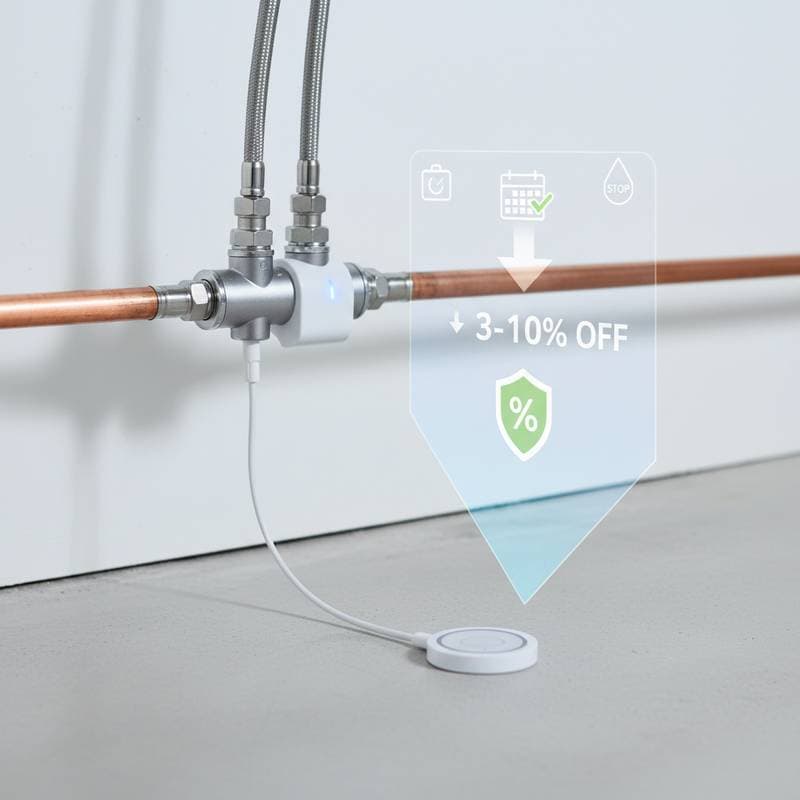
A smart water valve integrates with the primary water supply line and employs sensors or flow monitors to identify anomalies like leaks or irregular usage patterns. Upon detection of an issue, the valve closes automatically to stop water flow. Integrated notification systems typically alert users via mobile applications, allowing prompt response regardless of location.
Compatibility with broader smart home ecosystems, including voice-activated controls and security platforms, expands functionality. The primary objective remains prevention of water damage at its onset, safeguarding property and reducing potential repair expenses.
Reasons Insurance Companies Provide Discounts
Insurance providers calculate discounts based on measurable reductions in claim likelihood. Water damage incidents frequently lead to extensive repairs and displacement of residents, inflating costs for both parties. A smart water valve minimizes these risks by isolating water supply during emergencies, preventing widespread harm.
Homeowners demonstrate proactive risk management through such installations, which appeals to insurers. Certain carriers collaborate with technology developers to facilitate access, offering financial rebates or subsidized professional setup as components of comprehensive loss mitigation initiatives.
Installation Options: DIY or Professional
Certain smart water valves accommodate self-installation for individuals familiar with basic plumbing tasks. These units generally secure to the main line via compression fittings or threaded adapters, requiring minimal tools.
Consider DIY installation when:
- Access to the main water line allows safe shutdown and drainage.
- Reconnection of fittings proceeds without risk of leaks.
- Configuration of Wi-Fi connectivity and application integration presents no challenges.
Opt for professional assistance if:
- The main water line resides in a difficult-to-reach area.
- The plumbing infrastructure features age-related corrosion or unconventional components.
- Adherence to local building codes requires certified verification.
Professional installation by a licensed plumber typically spans one to two hours and yields official records valued by insurance evaluators.
Strategies to Maximize Financial Benefits
Homeowners can amplify savings through targeted approaches:
- Integrate complementary technologies: Combine the valve with localized leak detectors placed beneath sinks, adjacent to toilets, and near water-dependent appliances for comprehensive coverage.
- Pursue available incentives: Inquire with local utilities or government entities about rebates for water conservation and leak prevention installations.
- Time the project strategically: Arrange setup during off-peak seasons when plumbing services often reduce rates due to lower demand.
- Layer safety enhancements: Incorporate additional protective measures, such as surveillance cameras or fire alarms, to unlock bundled insurance reductions.
Routine maintenance practices, including Wi-Fi verification and software updates, ensure optimal device performance over time.
Addressing Frequent Concerns
Compatibility with Well Water Systems
Most smart water valves accommodate the variable pressures and flows characteristic of well systems. Users may require an alternative power supply to match site-specific conditions.
Necessity of Additional Leak Sensors
Even with a central valve, supplementary sensors enhance precision by identifying minor seepages early. This layered approach prevents escalation of small issues into significant damages.
Remote Operation Capabilities
Contemporary systems support complete remote management via dedicated mobile applications. Homeowners gain the ability to activate shutdowns from any location, providing flexibility during travel or daily absences.
Steps to Implement Your Upgrade
Adopting a smart water valve extends beyond mere reassurance; it lowers insurance premiums, shields against repair expenditures, and updates plumbing infrastructure. Begin by consulting your insurance provider to identify approved models and rebate opportunities.
This proactive measure averts future financial burdens while delivering ongoing advantages in security, efficiency, and ease of use for the long term.