Why Focus on High-ROI Kitchen Upgrades
Kitchens serve as the heart of the home, influencing buyer decisions more than any other room. In 2025, strategic updates can increase property value while recouping a significant portion of expenses. Homeowners who prioritize cost-effective improvements often see returns of 70 percent or more upon resale.
These upgrades appeal to modern buyers seeking functionality blended with contemporary aesthetics. Data from real estate analyses highlights kitchens as key selling points, where even modest investments yield substantial payoffs. Select changes that enhance usability without excessive spending to maximize impact.
Assessing Your Kitchen's Potential
Begin by evaluating current features. Inspect cabinets for wear, countertops for durability, and appliances for efficiency. Identify areas that detract from appeal, such as outdated hardware or poor lighting.
Consider the overall layout. Open concepts and neutral palettes attract broader audiences. Budget allocation proves essential; allocate funds to elements with proven resale value.
Consult local market trends. In competitive areas, buyers favor energy-saving features and timeless designs. This assessment guides targeted renovations.
Cabinet Refacing for Cost-Effective Renewal
Cabinet refacing transforms tired cabinetry without full replacement. Professionals remove doors and drawers, then apply new veneers, hardware, and finishes. This approach costs 30 to 50 percent less than new installations.
Choose solid wood or laminate options in neutral tones like white or gray. Add soft-close mechanisms for enhanced functionality. Expect a 70 to 80 percent ROI, as buyers appreciate the fresh look.
The process takes one to two weeks, minimizing disruption. Pair refacing with minor adjustments, such as adding pull-out shelves, to boost storage and convenience.
Quartz Countertops: Durability Meets Style
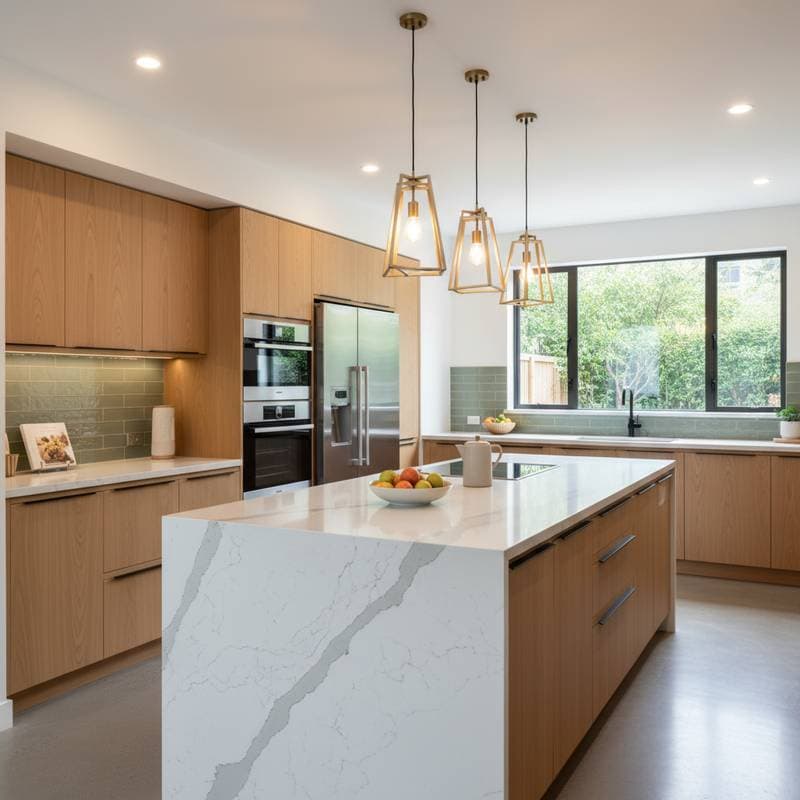
Quartz countertops offer superior resistance to stains and scratches compared to granite or laminate. Engineered from crushed stone and resin, they provide consistent patterns and low maintenance.
Select slabs with subtle veining to complement various cabinet colors. Integrated sinks streamline installation and create seamless surfaces. Installation costs range from $50 to $100 per square foot, with returns often exceeding 65 percent.
These surfaces withstand daily use while elevating visual appeal. Clean them with mild soap and water to preserve shine. Buyers value the modern, hygienic quality that quartz delivers.
Energy-Efficient Appliances: Savings and Appeal
Upgrade to Energy Star-rated appliances to reduce utility bills and attract eco-conscious buyers. Refrigerators, dishwashers, and ranges with advanced features consume less power without sacrificing performance.
Opt for stainless steel finishes in standard sizes to fit existing spaces. Smart models with Wi-Fi connectivity allow remote monitoring, adding a tech-savvy edge. These investments recover 60 to 75 percent of costs through energy savings and market demand.
Installation requires basic plumbing and electrical adjustments. Highlight efficiency ratings in listings to underscore long-term benefits. Such appliances signal thoughtful, forward-looking design.
Layered Lighting for Functionality and Ambiance
Effective lighting combines task, ambient, and accent layers to illuminate workspaces and create warmth. Install under-cabinet LEDs for precise prep areas, pendants over islands for focal points, and recessed cans for general illumination.
Select dimmable options in warm tones to adapt to different uses. Energy-efficient bulbs last longer and lower costs. This upgrade yields 70 percent ROI by making the kitchen versatile and inviting.
Professional wiring ensures safety and compliance. Experiment with placements to avoid shadows. Well-lit kitchens enhance perceived space and usability, delighting potential buyers.
Additional Midrange Enhancements
Incorporate hardware updates like brushed nickel pulls for a cohesive look. Add a backsplash with subway tiles or glass for protection and style, costing under $20 per square foot.
Consider flooring shifts to resilient materials like luxury vinyl plank, which mimics wood at a fraction of the price. These elements tie together larger changes.
- Measure spaces accurately before purchasing.
- Choose timeless materials over trends.
- Hire licensed contractors for quality work.
Integrating Upgrades for Maximum Value
Combine selections to create a unified design. For instance, pair quartz counters with refaced cabinets and efficient appliances. Maintain a neutral base with subtle accents for broad appeal.
Track expenses to stay within budget. Midrange projects averaging $10,000 to $20,000 often deliver the highest returns. Focus on quality craftsmanship to avoid future repairs.
Steps to Implement Your Plan
Develop a timeline starting with demolition and ending with final touches. Obtain necessary permits for electrical or plumbing work.
Source materials from reputable suppliers. Schedule inspections to ensure code adherence.
- Sketch your vision.
- Gather quotes from multiple professionals.
- Review progress at key stages.
Realizing Benefits Through Strategic Choices
These upgrades not only recover costs but also streamline daily life. Buyers respond to kitchens that feel updated yet practical. Invest wisely to position your home competitively in 2025 markets.
Monitor post-renovation feedback from agents. Adjust based on buyer preferences. The result stands as a valuable asset that enhances enjoyment and equity.