Spring Roof Assessment: An AI Drone Inspection Guide
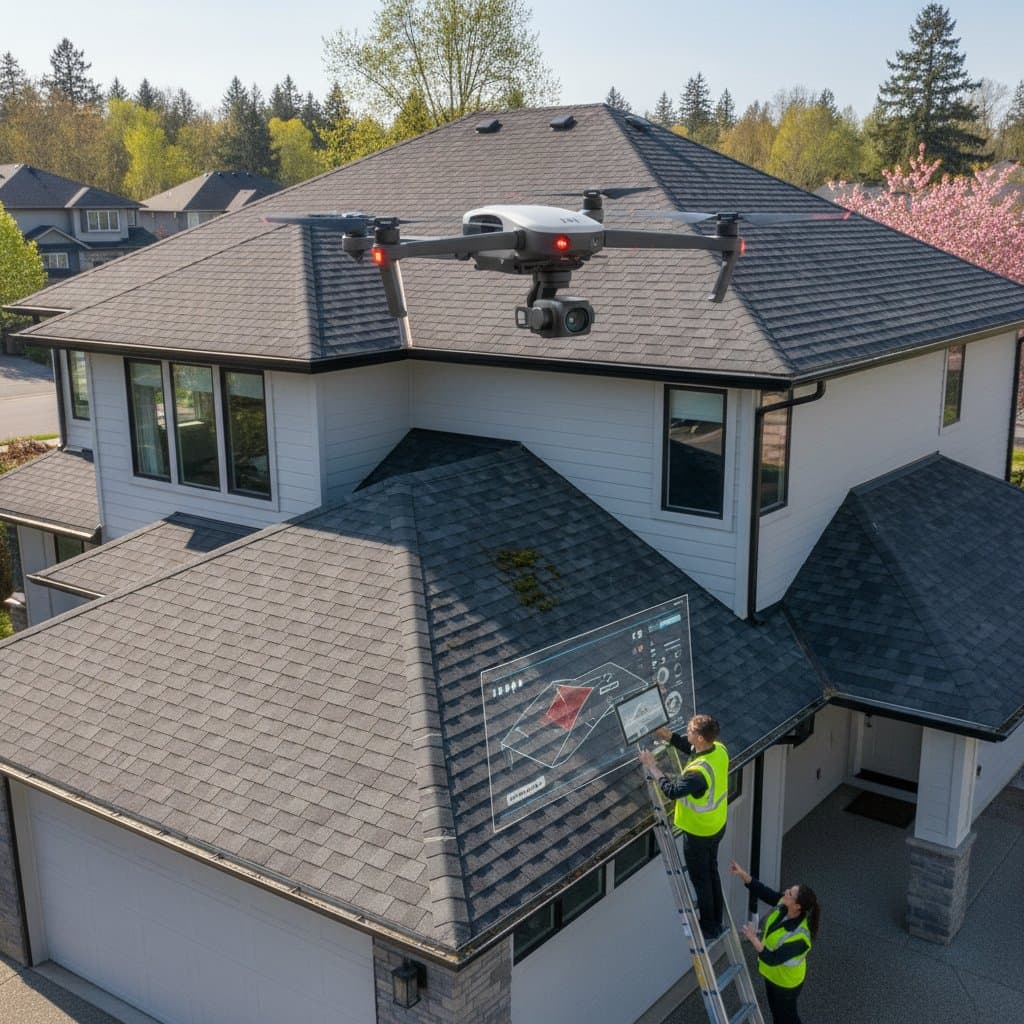
Homeownership involves a mix of joys and duties. Among the critical responsibilities each spring is evaluating the roof following winter's rigors. Scaling ladders to examine potential harm can seem daunting, yet innovative tools now simplify the process while prioritizing safety. AI-equipped drones enable thorough roof assessments from the safety of the ground. For those unfamiliar with this approach, this guide details key observations, the mechanics of drone-based inspections, and strategies to sustain roof integrity throughout the season.
Core Roof Maintenance Practices
Drone inspections complement, but do not replace, routine care. Homeowners must undertake these fundamental activities during spring to support overall roof health:
- Clear the gutters thoroughly. Remove accumulated leaves, branches, and sediment to facilitate proper water runoff and prevent overflow-related damage.
- Examine the flashing components. These metal strips seal junctions around chimneys, vents, and skylights against leaks. Inspect for corrosion, separation, or deformation that could allow water penetration.
- Address moss and algae growth. Such organisms retain moisture and erode shingle integrity over time. Apply a mild, roof-compatible cleaner to eliminate buildup and inhibit recurrence.
- Prune overhanging branches. Proximity to the roof invites abrasion or penetration during high winds. Maintain a clearance of at least six feet to minimize risks.
- Verify attic ventilation systems. Inadequate airflow leads to excessive heat and humidity, fostering rot. Confirm that intake and exhaust vents remain unobstructed and operational.
These actions provide a solid foundation, ensuring that drone discoveries lead to timely interventions and extend the roof's lifespan.
Weighing DIY Efforts Against Professional Expertise
Homeowners benefit from discerning safe self-managed tasks from those requiring specialized intervention.
Suitable for DIY handling:
- Piloting a drone to gather visual data.
- Performing basic cleanups, such as debris removal or surface moss treatment.
- Tracking minor deterioration, like small cracks, through periodic reviews.
Instances warranting professional involvement:
- Drone imagery revealing roof sagging or extensive shingle displacement.
- Evidence of interior water stains in the attic or living spaces.
- Necessity for flashing replacement or vent resealing, which demands precise tools and knowledge.
Attempting complex repairs independently heightens injury risks and may exacerbate underlying issues. Certified roofers possess elevated access equipment, diagnostic expertise, and adherence to building codes, ensuring comprehensive resolutions.
Indicators for Summoning Professional Assistance
Advanced drone capabilities notwithstanding, certain findings necessitate immediate expert evaluation. Engage a qualified roofing contractor if the assessment uncovers:
- Moisture penetration manifesting as dampness or mold in the attic.
- Noticeable roof deck deflection observable even from below.
- Pronounced shingle warping, granulation loss, or large-scale absences.
- Recurrent seepage that persists after initial sealant applications.
Experts deliver detailed reports incorporating thermal imaging for moisture detection, structural integrity assessments, and customized repair proposals. Such documentation informs long-term preservation strategies and averts costly escalations.
Step-by-Step AI Drone Inspection Protocol
Effective drone utilization requires methodical preparation to yield accurate insights. Adhere to this sequence for optimal outcomes:
- Map the flight trajectory in advance. Steer clear of obstacles including foliage, electrical wires, and confined areas to ensure smooth navigation.
- Calibrate equipment prior to launch. Verify battery charge levels and activate the highest resolution camera settings for sharp, detailed footage.
- Document from diverse perspectives. Acquire overhead scans alongside oblique angles to illuminate shadowed or recessed zones.
- Leverage integrated AI analytics. Contemporary drones feature algorithms that automatically highlight anomalies such as cracks, discoloration, or irregularities.
- Catalog and annotate captures systematically. Organize images with timestamps and notations on suspect locations for future reference and progress monitoring.
- Conduct a post-flight verification. Confirm image quality through even lighting, uniform shingle alignment, and absence of pooled water indicators.
Mastering these procedures empowers homeowners to detect issues like granule erosion on asphalt shingles, which signals premature aging, or subtle granule buildup in valleys that could impede drainage. With practice, inspections become routine, often completing in under 30 minutes for standard residential roofs.
Integrating Technology with Seasonal Care
Pairing AI drone assessments with consistent upkeep empowers proactive roof management without undue stress. This guide equips you to pinpoint emerging concerns, execute feasible self-maintenance, and identify moments for professional input.
Commence by selecting a clear-weather day for your initial scan. Assemble necessary items: a fully charged drone, protective gloves for any ground-level tasks, and a digital folder for storing visuals. As you review footage, note specifics such as the extent of any curling edges or the presence of loose debris, which might indicate wind uplift vulnerability.
For novices hesitant about drone operation, consider introductory resources from manufacturers or local workshops. Basic controls involve intuitive joysticks for altitude and direction, while apps provide real-time previews. Soon, the vivid clarity of aerial views fosters assurance, transforming inspections into an engaging aspect of home stewardship.
Sustaining Long-Term Roof Resilience
Embracing AI drones elevates roof care from reactive fixes to preventive strategy, potentially averting thousands in repair expenses. Regular spring evaluations, augmented by these tools, preserve structural soundness, optimize energy efficiency through better insulation integrity, and enhance property value. Commit to this approach, and your home remains a secure haven against seasonal threats.