AI Drones Identify Roof Issues Early This Spring
Home renovation expenses across the United States are increasing, beyond the influence of inflation alone. Shifts in material costs and contractor demand require homeowners to prioritize preventive maintenance before minor issues escalate into significant repairs. A drone roof inspection enhanced by artificial intelligence represents one of the most effective investments this spring. After years of ladder-based inspections, this technology alters the approach to home upkeep fundamentally.
Traditional roof checks involved either hiring a roofer for several hundred dollars or ascending unstable ladders personally. Each method carried limitations. AI-equipped drones now examine the entire roof surface securely from ground level. They pinpoint missing shingles, fractured flashing, and concealed moisture undetectable by visual inspection alone. The advantages include superior precision, efficiency, and transparent pricing.
The Importance of Drone Roof Inspections Today
Roofing materials face substantial impacts from ongoing supply chain disruptions. Prices for asphalt shingles, plywood, and underlayment have climbed due to elevated transportation expenses and constrained production. Delaying action until a leak emerges results in higher costs for labor and materials. Proactive identification serves as the strongest safeguard against such financial burdens.
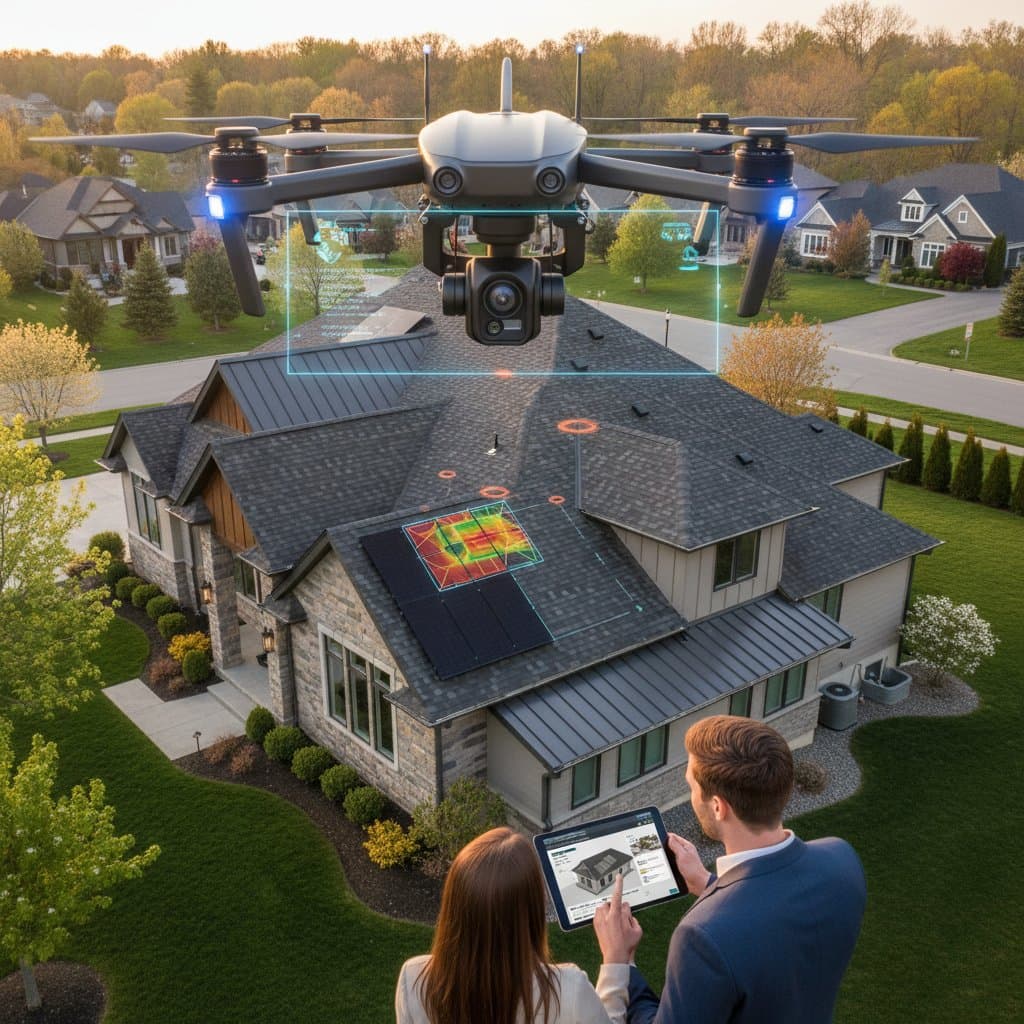
AI drones enable homeowners to address issues before they necessitate full replacements. Equipped with high-resolution cameras and machine learning capabilities, these devices recognize subtle indicators of deterioration. The accompanying software marks areas of concern for professional verification and targeted repairs. This approach complements rather than supplants roofing professionals, supplying them with enhanced data to minimize extraneous efforts.
In one instance, an early drone assessment prevented a $2,000 expenditure. The AI revealed a softened area adjacent to the ridge vent, which appeared intact from below. Addressing it promptly eliminated the need for extensive decking replacement. Such outcomes provide essential advantages for homeowners this season.
Comparing DIY and Professional Options
Consumer-grade drones cost between $800 and $1,500, allowing basic visual assessments. The primary difficulty lies in analyzing the captured imagery. Without roofing expertise, individuals may overlook initial signs of damage. Professional AI drone services employ algorithms trained to identify subtle changes, such as discolorations, raised nails, or distorted shingles.
Considerations from direct experience include:
- DIY Drone Inspection: Suitable for occasional self-checks between expert evaluations. It delivers detailed photographs but lacks comprehensive interpretation.
- Professional AI Drone Inspection: Justified for annual or biannual use. The precision and detailed reports instill assurance in early problem detection.
When scheduling roof repairs or cleaning, inquire if contractors include drone inspections. Many now provide this option, and combining services often reduces overall expenses.
Capabilities of AI Drones in Detection
AI drones extend beyond mere photography. Integrated sensors and software assess critical roof components systematically.
1. Shingle Condition
AI analyzes missing, cracked, or curling shingles through comparisons of color and texture. It also detects granular erosion, a common marker of material degradation.
2. Flashing and Sealant Integrity
Corrosion or separation in metal flashing around chimneys, vents, and valleys receives precise identification from the drone.
3. Moisture Pockets
Thermal imaging locates accumulated water beneath shingles or insulation, essential for mitigating mold and decay risks.
4. Structural Irregularities
The system identifies sagging or uneven areas that suggest compromised decking or trusses.
5. Gutter Blockages
Clear imaging reveals obstructions in gutters and downspouts, preventing overflows that damage fascia boards.
Findings compile into a digital report featuring images, severity assessments, and suggested remedies.
Steps to Arrange an AI Drone Roof Inspection
- Research Local Providers: Identify roofing firms promoting AI or drone inspection services.
- Verify Credentials: Request evidence of drone operator certification and liability insurance.
- Compare Quotes: Obtain at least three proposals, evaluating not only cost but also report depth and additional features.
- Inquire About Reporting: Confirm inclusion of a digital report with marked photographs.
- Select Optimal Timing: Choose calm, dry weather for optimal image quality and flight safety.
Obtain three complimentary quotes from nearby contractors prior to finalizing arrangements. This practice ensures equitable pricing and service quality.
Returns and Enduring Advantages
Investments in drone inspections yield returns through damage prevention. Full roof replacements range from $9,000 to $25,000 based on dimensions and materials. A single averted major leak offsets multiple years of inspection fees.
Reports from drone inspections also support insurance claims effectively. Several providers recognize them as legitimate evidence, particularly for weather-related damage, accelerating approvals and minimizing conflicts.
Additional gains involve energy savings. Detecting ventilation or insulation flaws allows attic airflow enhancements, potentially decreasing cooling expenses by 10 to 15 percent in warmer periods.
Implementing Roof Protection Strategies
For those new to drone inspections, initiate the process this season. Escalating material costs and variable weather underscore the value of timely detection. Allocate budget resources for a professional evaluation as a starting point.
Upon receiving the report, address high-priority items like flashing defects and moisture accumulation first. Schedule aesthetic fixes for later. Retain digital images for ongoing comparisons across seasons.
Property managers overseeing rentals or multiple residences should explore annual contracts with inspection providers. Subscription plans often feature biannual checks at discounted rates.
View this maintenance as a strategic enhancement to your property's durability. A robust roof safeguards all underlying elements. AI drones deliver intelligent, secure, and streamlined protection.
Sustaining Roof Longevity
Routine inspections may lack excitement, yet they prevent disruptions during severe weather. AI-enhanced drones have evolved from experimental tools into accessible essentials for homeowners. They eliminate uncertainties, mitigate hazards, and optimize maintenance investments.