AI Drones Reveal Spring Roof Problems Before They Escalate
Spring cleanup often overlooks the roof until water damage becomes evident. Traditional inspections require ladder access and manual effort, which pose safety risks. AI-powered drones offer a reliable alternative, capturing detailed imagery from above to identify issues early and avoid substantial repair costs.
Project Overview
Average Cost: $250 to $600 per inspection
Timeline: 1 to 2 hours for the flight, 1 to 3 days for the report
Lifespan: Data informs maintenance for 12 to 24 months
Best Season: Spring
DIY Friendly: Limited; requires a licensed operator for accurate roof scans
Permits: Typically unnecessary for residential properties
The Process of an AI Drone Roof Inspection
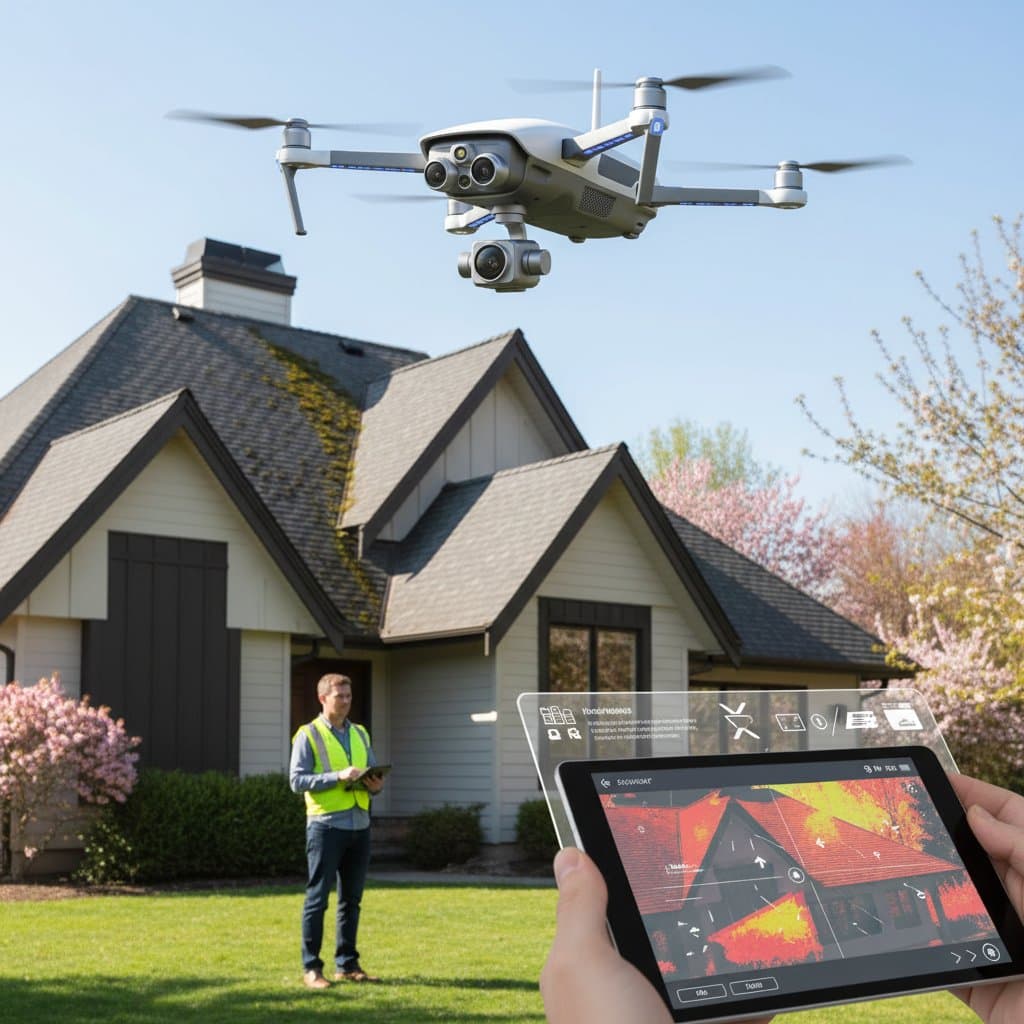
AI drone inspections provide practical benefits beyond basic photography. These systems integrate advanced sensors and algorithms to deliver precise assessments. The following outlines a standard procedure.
- Flight Path Planning: Software generates a digital roof model and optimizes the drone route for comprehensive coverage from various angles.
- Image Collection: Thermal and high-resolution visual sensors record every roof area, including edges, vents, and transitions.
- AI Evaluation: Algorithms analyze images against databases of common defects, highlighting issues such as displaced shingles or thermal anomalies.
- Report Delivery: Within one to three days, a detailed document arrives with annotated photos, priority ratings, and suggested actions.
This method minimizes errors and creates a documented record suitable for insurance purposes or property transactions.
Comparing DIY and Professional Inspections
Homeowners sometimes consider using personal drones for roof checks, but limitations quickly become apparent. Consumer models often lack the precision and software integration required for thorough analysis. Professional services ensure compliance and accuracy.
DIY Approach:
- Appropriate for basic overviews with a valid drone license and safety knowledge.
- Equipment rental or purchase ranges from $100 to $300.
- Challenges include overlooking fine details and inaccurate interpretations.
Professional Approach:
- Operators adhere to FAA regulations and maintain insurance.
- Specialized AI tools adapt to specific roofing types and regional weather patterns.
- Total cost averages $250 to $600 based on roof size and complexity.
Recommendation:
Professionals deliver superior safety, reliability, and recognized results. The investment secures long-term protection against water intrusion.
Key Spring Roof Concerns Detected by AI
AI technology identifies a wide range of defects, with spring conditions amplifying certain risks. Early intervention preserves roof integrity and prevents secondary damage. The list below covers prevalent issues.
1. Displaced or Missing Shingles
Winter winds and freeze-thaw cycles loosen shingles. AI detects these through color inconsistencies and edge irregularities.
2. Deteriorated Flashing
Corrosion affects metal seals around chimneys and skylights. Software identifies gaps and associated moisture buildup.
3. Water Ponding
Low-slope roofs exhibit dark spots in thermal scans. Prompt action averts structural weakening.
4. Gutter Misalignment
Separation along eaves indicates drainage problems. Algorithms measure deviations for targeted fixes.
5. Organic Accumulation
Moss and algae thrive in damp spring weather. Detection prevents premature shingle degradation.
6. Roof Deformation
Slight sags signal underlying support issues. 3D mapping reveals these before visible collapse.
Addressing these promptly avoids attic moisture, mold growth, and insulation failure, which can exceed thousands in remediation expenses.
Using Inspection Data for Ongoing Roof Care
One inspection establishes a baseline, but integration with maintenance strategies maximizes value. Digital reports sync with home management tools for tracking changes over time. Archiving supports comparisons across seasons.
Post-Report Actions:
- Examine priority levels and address critical items first.
- Share images with qualified contractors for precise quotes.
- Allocate funds and complete work within 30 days.
- Plan annual reviews or post-storm assessments.
This systematic approach sustains roof performance and facilitates warranty validations.
Selecting a Qualified Drone Inspection Provider
Service quality varies, so evaluation criteria matter. Focus on providers with proven expertise in residential roofing. The following factors guide informed choices.
- Material Compatibility: Confirm experience with your roof type, such as asphalt shingles or metal panels.
- AI Validation: Verify automated defect detection beyond simple imaging.
- Report Standards: Expect detailed annotations, action plans, and preliminary cost guidance.
- Protection Measures: Require liability and equipment coverage.
- Client Feedback: Review ratings for precision, efficiency, and service quality.
Trusted providers clarify findings and recommend essentials without pressure.
Safeguarding Your Home Through Proactive Inspections
A sound roof shields the entire structure, influences energy use, and maintains comfort. AI drones shift maintenance from reactive to predictive, leveraging data for informed decisions. Homeowners benefit from reduced risks and extended asset life.
Schedule a spring inspection on a calm, clear day. Obtain multiple estimates from certified services. This preparation ensures resilience against seasonal threats and preserves your property's value.