Depo Homes - Page 40

Showing articles 469 - 480 of 1129

DIY Epoxy Kits vs Pro Install: The Bond Strength Truth

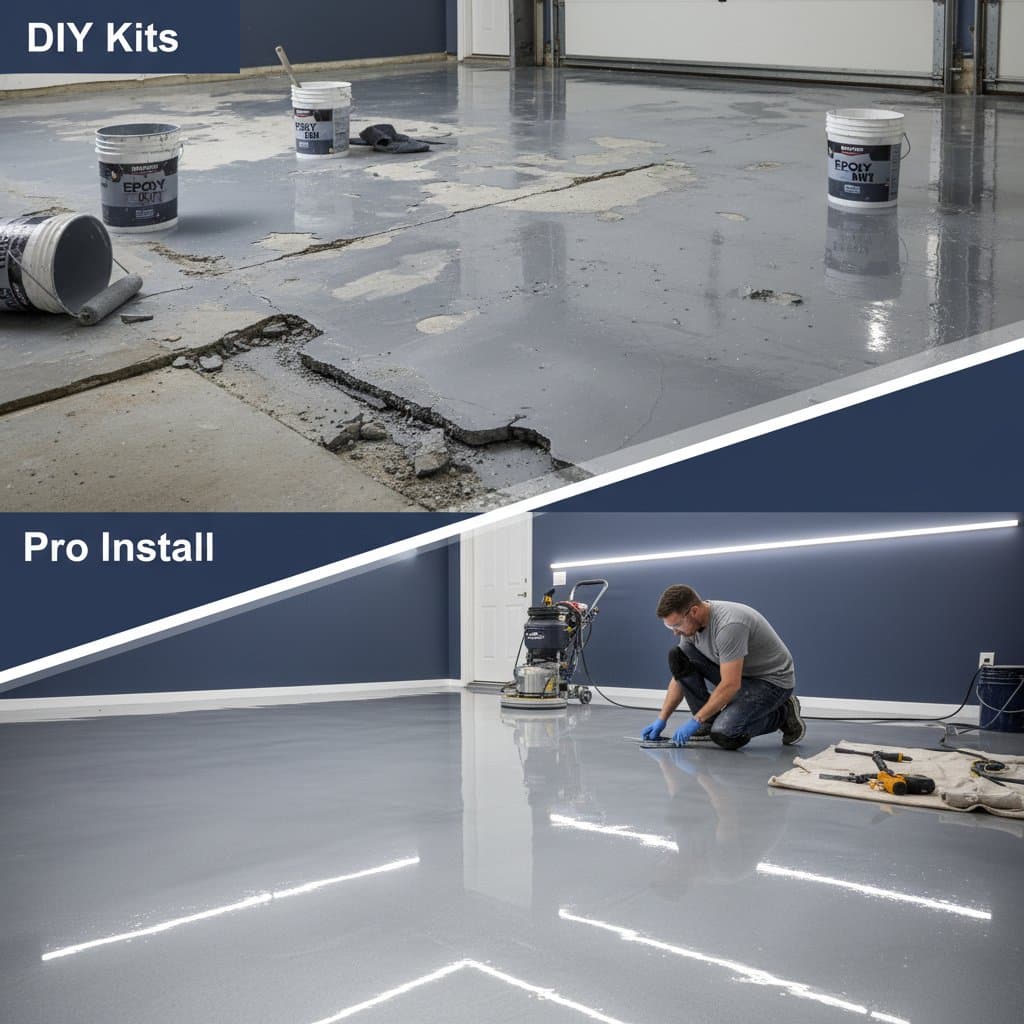
Epoxy floors offer enduring strength and modern aesthetics, yet outcomes depend on preparation, materials, and expertise. DIY kits cut initial expenses but invite issues like peeling or bubbling, whereas professional work ensures robust, long-term bonds. Master moisture management, prep techniques, and epoxy variants to select the ideal solution for your home.

•4 min read
By Charlie McCann
Red Flags That Expose Contractor Payment Scams

Prevent financial losses from contractor scams by recognizing red flags such as excessive upfront payments, unclear contracts, and cash-only requirements. Implement milestone payments, secure written agreements, and thorough verification to maintain control over your home improvement investment. In 2025, informed decisions ensure projects remain secure, transparent, and within budget.

•5 min read
By Kelly Alyse

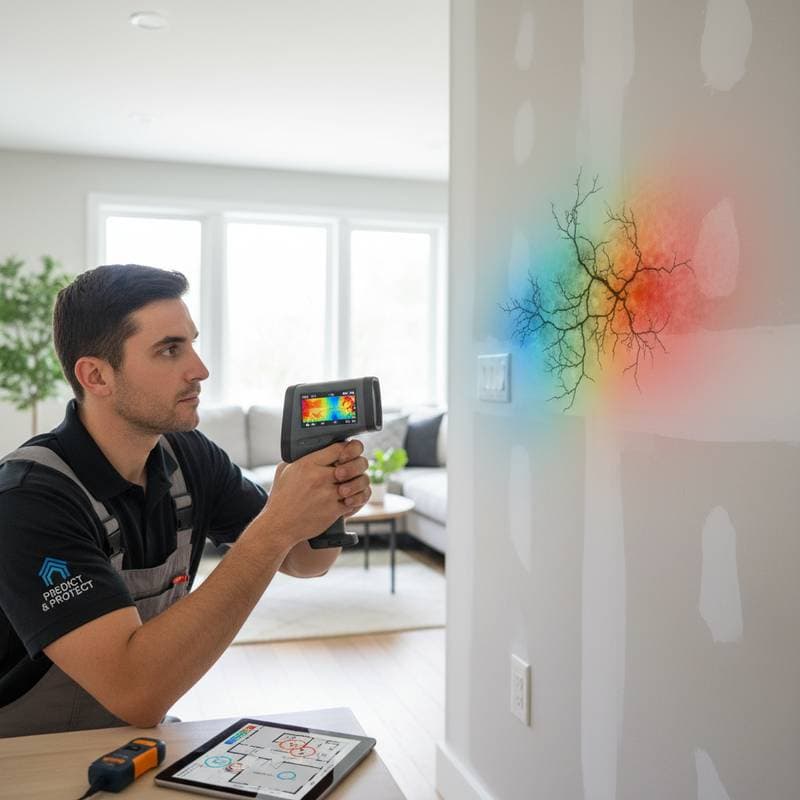
Find Hidden Mold Before It Spreads with Moisture Mapping

Moisture mapping employs thermal imaging to identify concealed dampness in walls and floors, halting mold growth at its source. This guide covers associated costs, inspection durations, and choices between DIY methods and professional services. Implement this preventive measure to avoid expensive repairs, enhance indoor air quality, and secure long-term home protection.

•4 min read
By Stacy Cadri

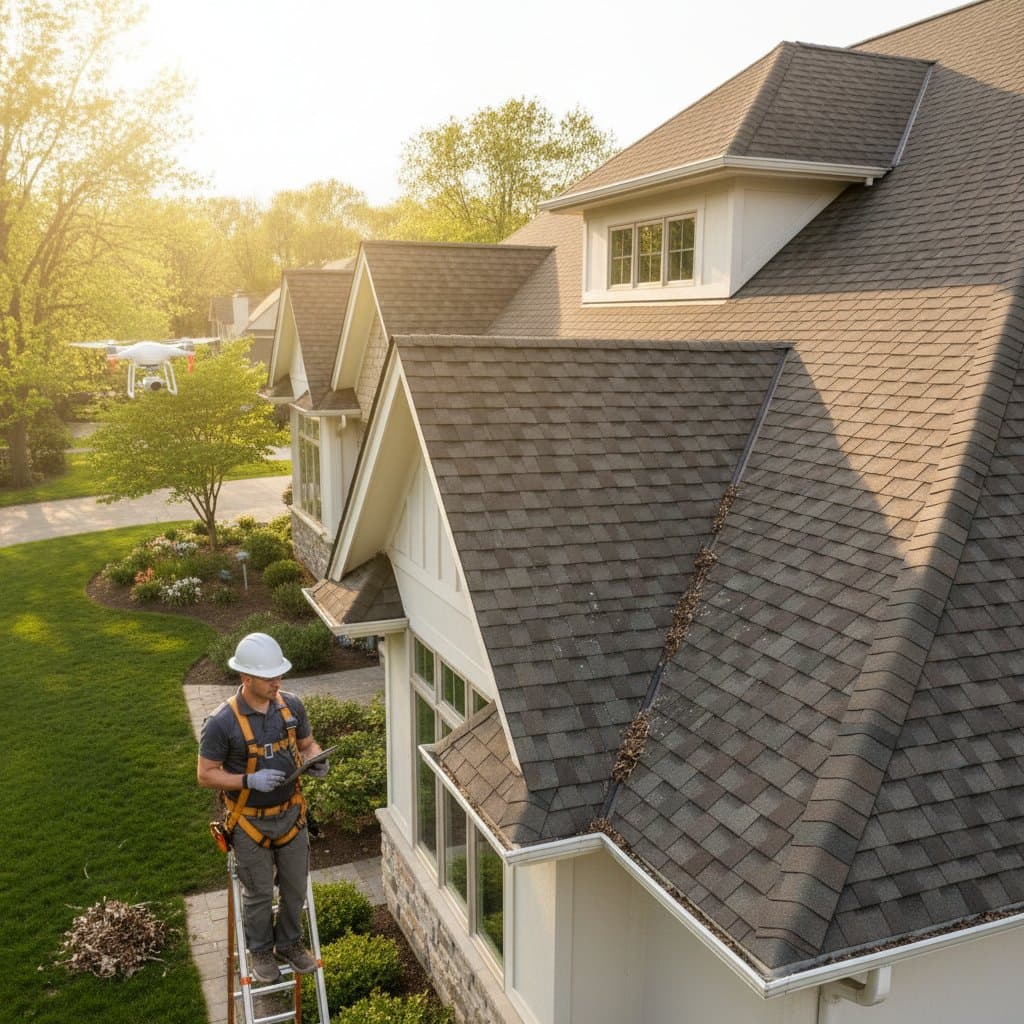
Spring Roof Checks That Prevent Costly Repairs

Spring offers the perfect opportunity to examine your roof following winter's harsh conditions. This detailed 12-step inspection guide covers key areas from shingles to drainage systems, helping to avert leaks, prolong roof durability, and reduce repair expenses. Routine checks promote home security, energy savings, and tranquility ahead of summer weather challenges.

•4 min read
By JoAnn Souza

Mold Prevention Saves Thousands in 2025 Repair Costs

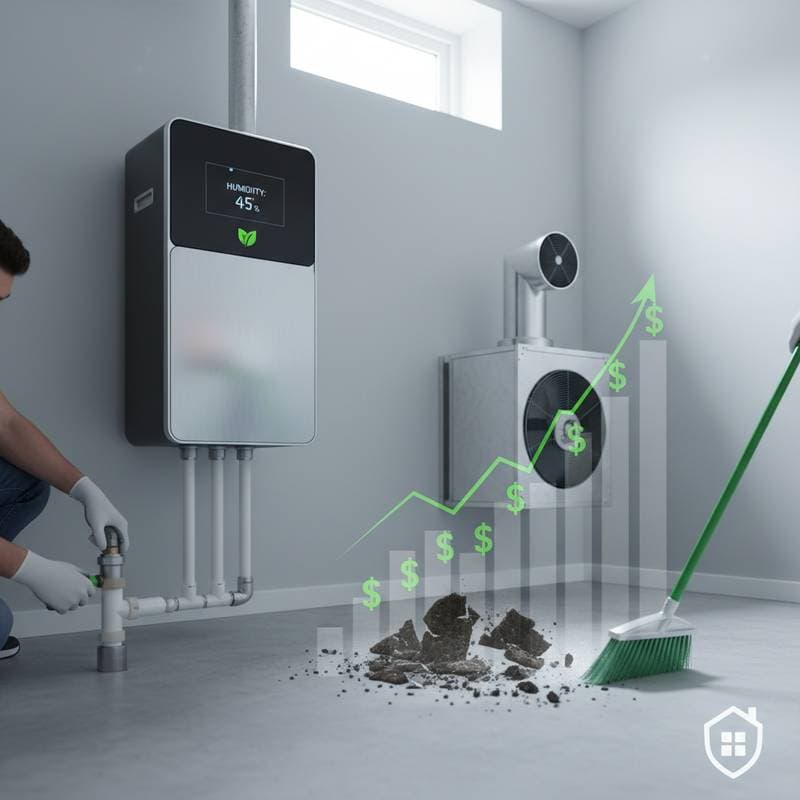
Escalating repair expenses position mold prevention as a key 2025 focus. Halting moisture early preserves structural integrity, enhances air quality, and secures finances. Implement humidity management, ventilation enhancements, and swift leak repairs to avert thousands in cleanup fees. Discover targeted upgrades and specialist recommendations for sustained home wellness.

•5 min read
By Becca Roberts

Flood Vents Cut Insurance Premiums by 40% in 2025

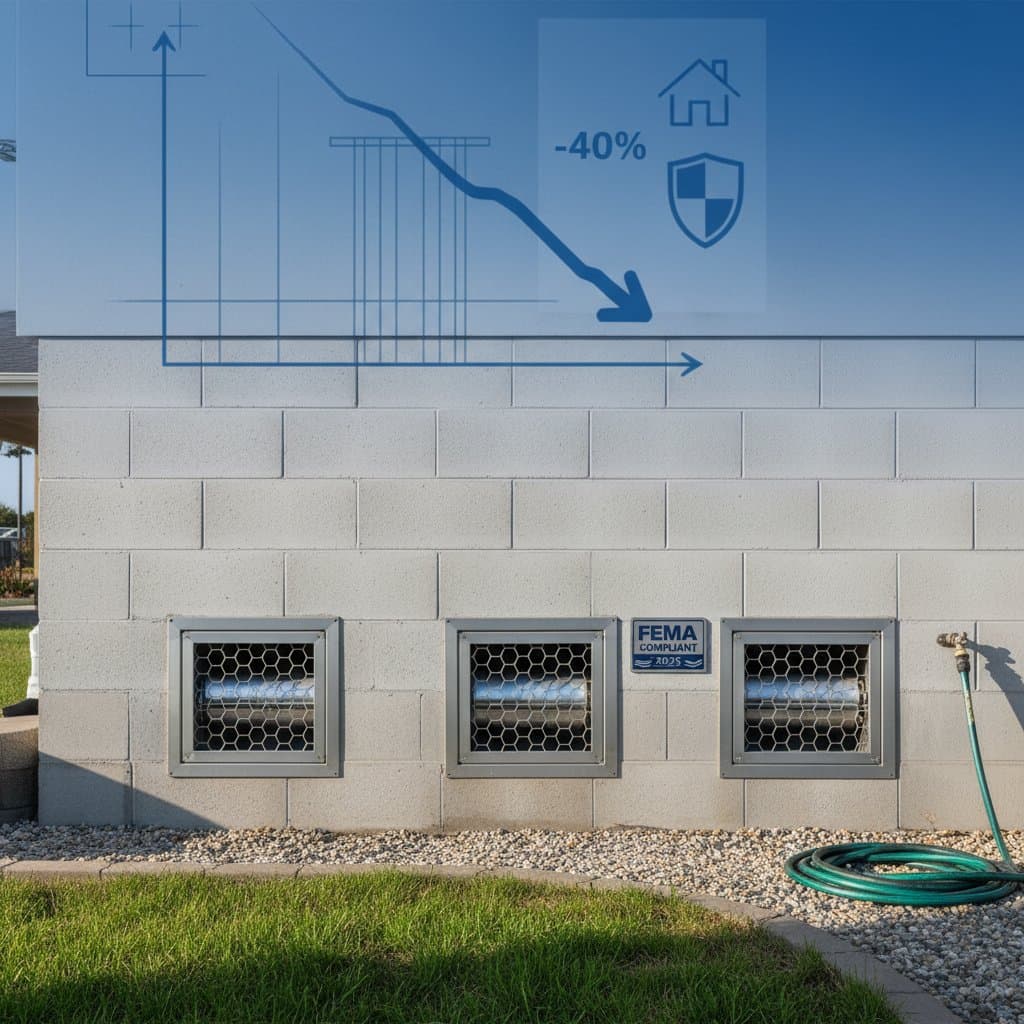
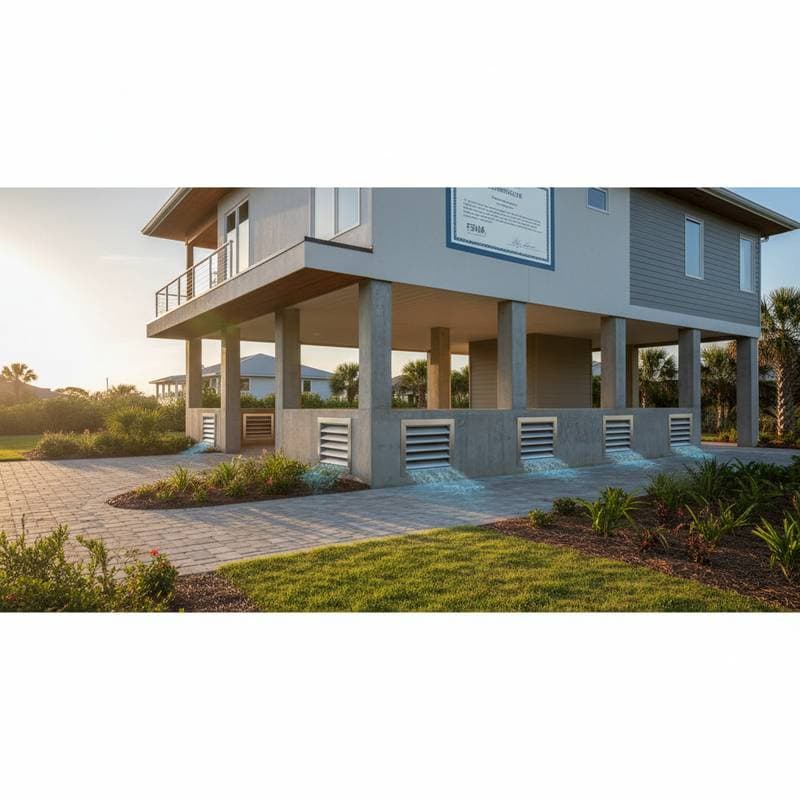
Escalating flood insurance rates and revised 2025 FEMA guidelines highlight the importance of compliant flood vents for foundation protection and policy coverage. Explore installation, certification, and upkeep strategies that lower premiums, enhance property worth, and avert expensive repairs while satisfying federal and local floodplain requirements.

•5 min read
By Cody Gautson

Battery Backups Keep Your Home Running Through Outages

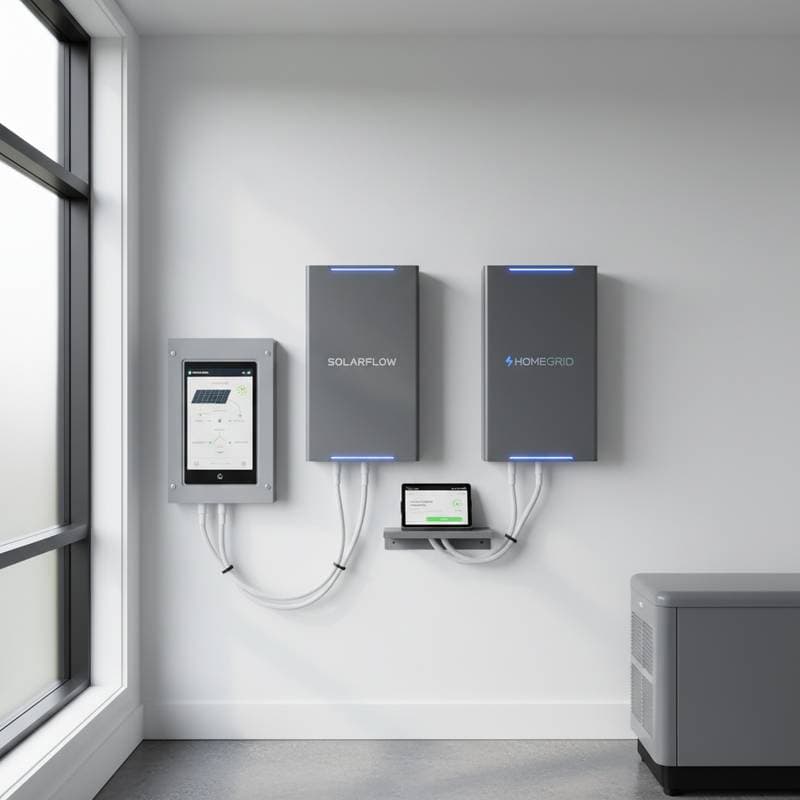
Maintain power in your home during outages with the advanced battery backup systems available in 2025. This guide covers essential costs, installation considerations, and the advantages of integrating with solar panels for greater reliability and cost savings. Understand why these modern solutions surpass traditional generators in safety, efficiency, and environmental benefits, along with practical advice for planning, installing, and maintaining a dependable system.

•3 min read
By Becca Roberts

Zero-Threshold Showers Add Safety and Resale Value

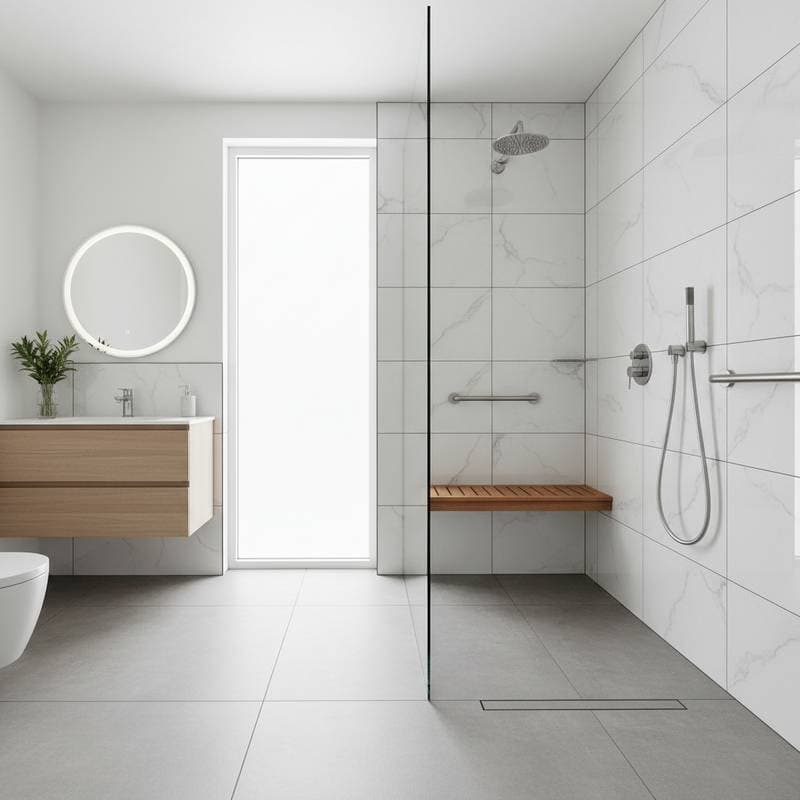
Zero-threshold showers provide enhanced safety, modern aesthetics, and significant resale value for homeowners committed to aging in place. These installations eliminate barriers for easier access and reduce fall risks on slippery floors. With costs between $6,000 and $12,000, they offer returns of up to 75 percent when executed by professionals, ensuring lasting comfort, independence, and broad market appeal.

•6 min read
By Becca Roberts

Why Flood Vents Prevent Foundation Collapse in Flood Zones

Flood vents provide essential protection for homes in flood zones by allowing water to flow through foundations, meeting 2025 FEMA standards, and lowering insurance costs. This comprehensive guide covers their functionality, compliance requirements, installation choices between DIY and professional services, associated expenses, and the substantial financial and safety advantages that position them as a wise investment for vulnerable properties.

•5 min read
By Stacy Cadri