Understanding the Costs of Aging-in-Place Bathroom Remodels
Homeowners often prioritize remaining in their homes as they age, valuing the comfort and independence it provides. Bathrooms, however, pose significant risks with features like high tub edges and slick surfaces that complicate daily routines. A targeted remodel addresses these issues, promoting safety without sacrificing style.
This guide details the expenses involved in such projects, ranging from basic enhancements to comprehensive overhauls. It highlights factors affecting prices, prioritizes high-impact features, and offers strategies for aligning choices with personal requirements and financial limits.
Key Accessibility Features and Associated Expenses
Prioritize these fundamental elements to create a more navigable bathroom. Each contributes to reduced injury risks and improved usability for varying mobility levels.
Walk-In Shower Installation
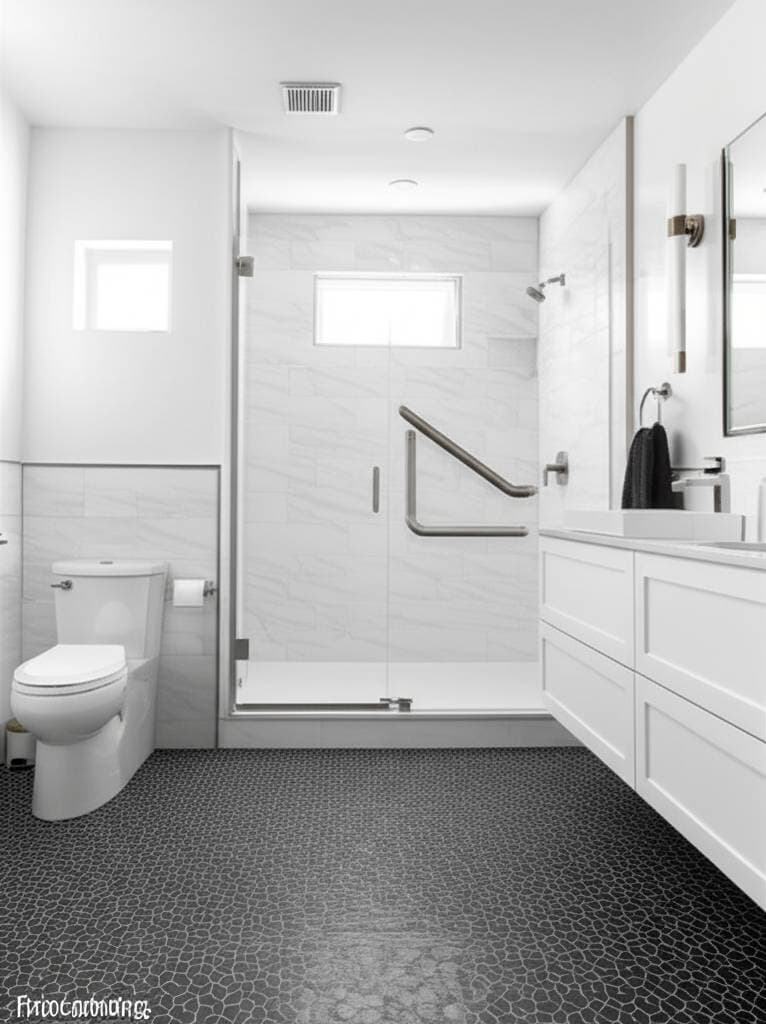
Converting a standard tub to a walk-in shower eliminates barriers, facilitating entry for those using mobility aids. This change supports seamless daily use and aligns with universal design principles.
Cost range: $6,000 to $15,000. Expenses vary based on materials such as tile selections, required plumbing modifications, and additions like integrated benches or threshold-free designs. Opt for prefabricated kits to lower costs, or invest in custom finishes for enhanced aesthetics.
Grab Bar Placement
Strategically positioned grab bars near fixtures offer crucial support, minimizing slip-and-fall incidents during transfers.
Cost range: $150 to $600. Factors include the quantity of bars and necessary wall reinforcements for secure anchoring. Select corrosion-resistant stainless steel options that comply with ADA guidelines for reliability.
Elevated Toilet Options
Higher-profile toilets reduce the physical effort needed for sitting and standing, benefiting joints and overall comfort.
Cost range: $250 to $800, covering the unit and labor. These ADA-compliant models typically measure 17 to 19 inches in height, akin to a standard chair.
Slip-Resistant Floor Surfaces
Choosing materials with enhanced traction prevents accidents on wet floors, a leading cause of bathroom injuries.
Cost range: $1,500 to $4,000 for an average-sized space. Consider the area covered and material durability; vinyl planks or porcelain tiles with textured finishes provide effective, low-maintenance solutions.
Doorway Expansion
Ensuring doorways measure at least 32 inches wide accommodates wheelchairs and walkers, improving overall flow.
Cost range: $800 to $2,500. This may involve structural adjustments like reframing, along with relocating outlets or trim as needed.
Enhanced Illumination Solutions
Adequate lighting eliminates glare and shadows, aiding visibility for tasks and navigation.
Cost range: $400 to $2,000. Incorporate energy-efficient LEDs, automatic sensors, or task-specific fixtures; professional wiring ensures even distribution.
Evaluating DIY Opportunities Versus Professional Services
Assess your skills to determine feasible self-managed tasks, balancing cost savings with quality outcomes. Focus on projects that maintain safety standards.
Suitable for DIY:
- Mounting temporary grab bars using adhesive or tension mechanisms.
- Installing peel-and-stick LED strips or sensor-activated lights.
- Swapping standard knobs for easier-grip lever faucets.
- Placing removable non-slip mats or applying surface treatments to existing floors.
Require Professional Expertise:
- Full tub-to-shower transformations.
- Relocating pipes or electrical components.
- Expanding structural openings.
- Securing permanent grab bars to wall framing.
- Laying new flooring with subfloor preparation and sealing.
Evaluate risks involving utilities or load-bearing elements; consult experts to avoid compromises in functionality or code adherence.
Indicators for Engaging Specialists
Certain modifications demand technical knowledge to achieve compliance and durability. Professionals navigate complexities effectively.
Seek expert assistance for:
- Layout alterations, such as shower conversions.
- New installations involving water lines or circuits.
- Proper securing of support hardware.
- Ensuring moisture barriers and proper runoff.
- Verifying alignment with accessibility regulations and local permits.
Locate Certified Aging-in-Place Specialists (CAPS) via industry networks or regional contractor listings. These professionals tailor solutions to individual circumstances, integrating foresight for evolving requirements.
Practical Homeowner Guidelines
Skill Level: Suitable for beginners through moderately experienced individuals.
Essential Tools: Include a tape measure, spirit level, power drill, screwdrivers, adjustable wrench, and stud detector. Basic items like a mallet suffice for minor adjustments.
DIY Scope: Tackle straightforward enhancements, such as adding traction aids, upgrading bulbs, or installing non-permanent supports.
Professional Threshold: Involve licensed experts for any work impacting plumbing, wiring, or building integrity; prioritize CAPS-certified remodelers for specialized projects.
Budget Overview: Simple self-directed changes begin at a few hundred dollars. Extensive professional efforts span $8,000 to $40,000, influenced by project scale and selections.
Anticipating Future Adaptations
Design with adaptability in mind to accommodate potential changes in mobility. Proactive choices minimize subsequent disruptions and expenses.
For instance:
- Install a curbless shower base ready for full-level flooring integration.
- Maintain clear zones for maneuverability, allowing a 60-inch turning circle.
- Opt for wall-hung vanities that permit under-space access.
- Strengthen walls in advance for additional support installations.
Such forward planning streamlines adjustments, preserving both efficiency and economy over time.
Steps to Implement Your Remodel
With costs and options clarified, identify priorities that match your current situation and resources. Incremental improvements build toward comprehensive safety.
Begin with accessible additions like support bars or traction surfaces to yield quick benefits. For broader transformations, obtain bids from at least three qualified providers experienced in inclusive designs. Inquire about specifics on components, schedules, and guarantees to inform selections.
Thoughtful enhancements secure prolonged autonomy and ease, fostering a residence that evolves supportively with your lifestyle.